
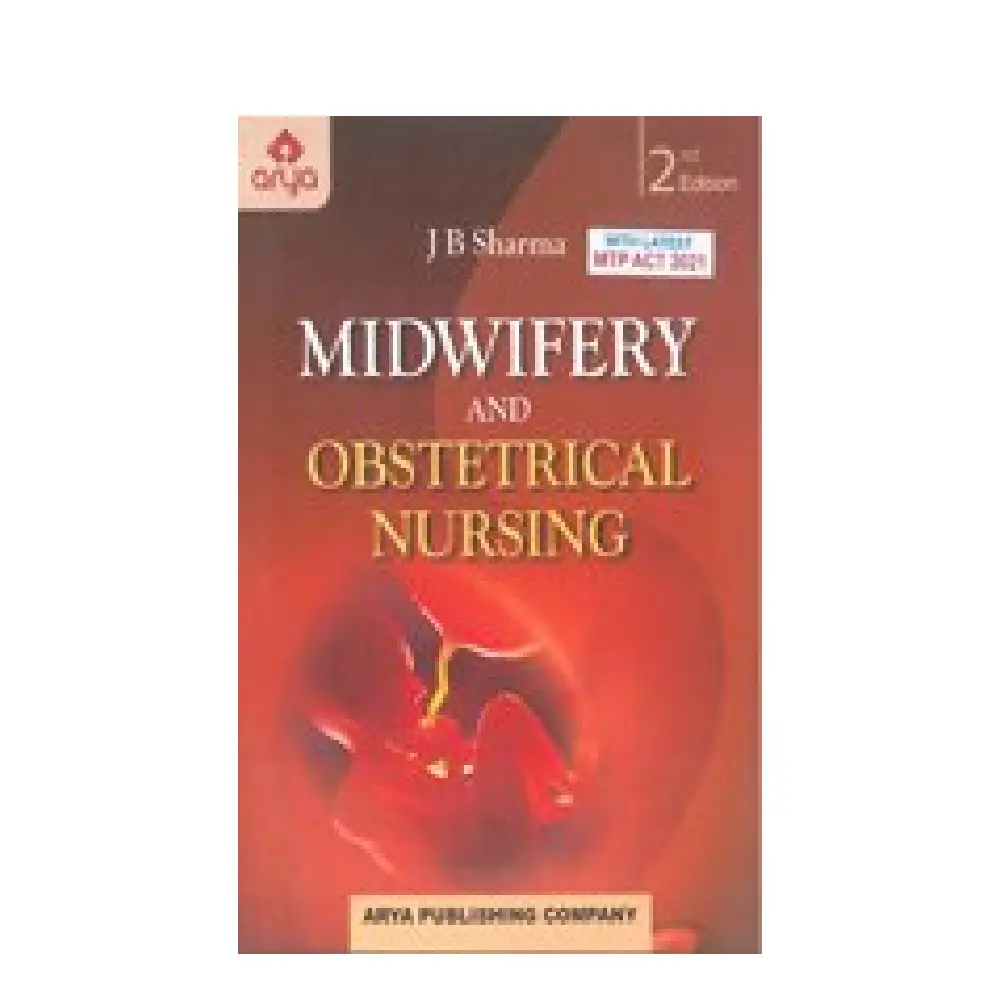
Midwifery and Obstetrical Nursing (2nd Edition, Reprint 2022) is a comprehensive textbook designed primarily for undergraduate nursing students, particularly those pursuing B.Sc. Nursing and GNM programs. The book provides an in-depth understanding of maternal and newborn health care, integrating theoretical knowledge with practical clinical skills required in maternity settings. The second edition reprint (2022) reflects updates aligned with current nursing curriculum guidelines and modern obstetric practices.
The book begins with foundational concepts in midwifery, including reproductive anatomy and physiology, fetal development, and the hormonal regulation of pregnancy. It explains the physiological changes that occur during pregnancy in various body systems such as cardiovascular, respiratory, endocrine, and musculoskeletal systems. These explanations help students understand how the maternal body adapts to support fetal growth and development.
A major section of the textbook focuses on antenatal care. It outlines the importance of early registration of pregnancy, regular antenatal visits, nutritional counseling, immunization schedules, screening tests, and risk assessment. The book emphasizes the nurse’s role in monitoring maternal and fetal well-being, identifying high-risk pregnancies, and providing health education. Common discomforts of pregnancy and their management are also clearly discussed.
Intrapartum care, or care during labor and delivery, forms a core component of the text. The stages of labor are described in detail, along with mechanisms of normal labor, fetal skull anatomy, and cardinal movements. Nursing management during each stage of labor is explained step-by-step, including monitoring uterine contractions, fetal heart rate, maternal vital signs, and emotional support. The book also discusses pain relief measures, including non-pharmacological methods and analgesia options. Emergency situations such as obstructed labor, fetal distress, postpartum hemorrhage, and eclampsia are addressed with clear nursing interventions.
Postnatal care is another significant section. It covers immediate care of the mother and newborn, monitoring for complications, breastfeeding support, and family planning counseling. The importance of early initiation of breastfeeding, kangaroo mother care, and prevention of neonatal infections is highlighted. Nursing responsibilities in identifying postpartum complications such as hemorrhage, infection, and depression are thoroughly explained.
The textbook also provides extensive coverage of high-risk obstetrics. Conditions such as gestational diabetes mellitus, pregnancy-induced hypertension, placenta previa, abruptio placentae, multiple pregnancy, and preterm labor are discussed in detail. Each condition includes etiology, clinical features, diagnostic tests, management, and nursing care plans. This approach helps students develop clinical reasoning and preparedness for real-life maternity ward scenarios.
In addition to maternal care, the book incorporates essential newborn care. Topics such as neonatal assessment (including APGAR scoring), common neonatal problems, resuscitation procedures, thermoregulation, and immunization schedules are presented systematically. The integration of obstetrics with neonatal nursing makes the book a complete guide for maternity nursing practice.
The 2nd edition reprint (2022) includes updated guidelines on safe motherhood initiatives, national health programs, and evidence-based practices in maternal and child health. Modern diagnostic techniques such as ultrasonography, fetal monitoring technologies, and updated labor management protocols are incorporated to ensure students remain current with advancements in obstetric care.
Teaching-learning features such as illustrations, flowcharts, tables, procedures, case scenarios, and nursing care plans enhance comprehension. Many chapters include review questions, multiple-choice questions, and short-answer questions to assist students in examination preparation. The language is simple and structured, making complex obstetrical concepts easier to understand.
Overall, Midwifery and Obstetrical Nursing (2nd Edition, Reprint 2022) serves as a vital resource for nursing students and practicing nurses. It bridges theoretical knowledge with clinical application, preparing students to provide safe, compassionate, and evidence-based care to mothers and newborns. The book supports the development of professional competence, critical thinking, and clinical skills essential for maternity nursing practice.





Reviews
There are no reviews yet