
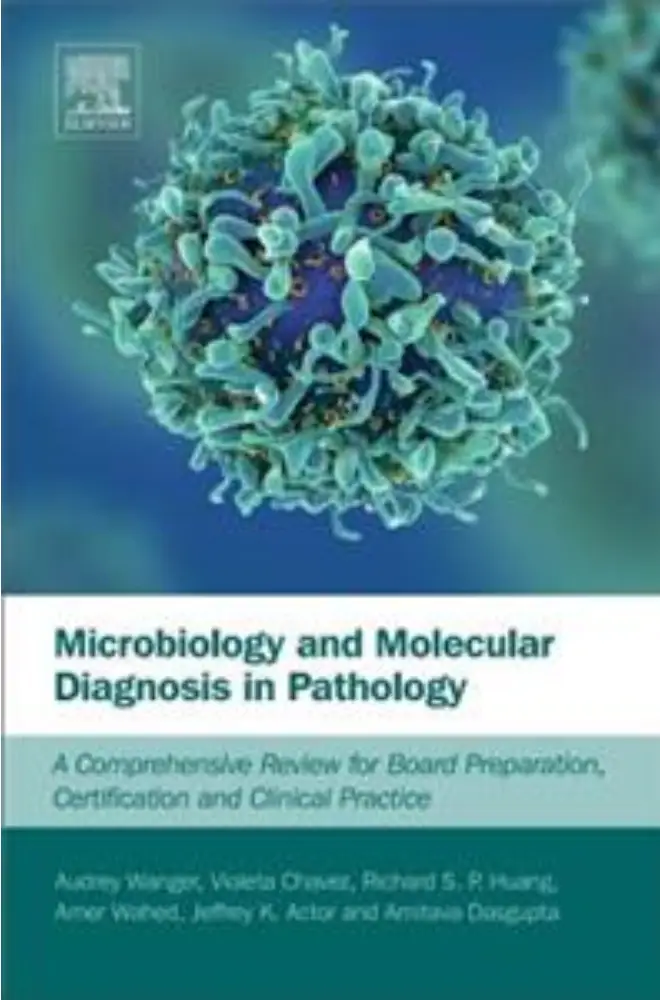


Microbiology and Molecular Diagnosis in Pathology
Microbiology and Molecular Diagnosis in Pathology is an advanced and integrative field that combines traditional microbiological techniques with modern molecular methods to accurately detect, identify, and characterize infectious agents and disease processes. This discipline plays a crucial role in clinical pathology, enabling precise diagnosis, effective treatment decisions, and improved patient outcomes. It is widely used in hospitals, diagnostic laboratories, and research institutions, forming the backbone of modern infectious disease diagnostics.
Microbiology focuses on the study of microorganisms such as bacteria, viruses, fungi, and parasites. Conventional diagnostic methods include microscopy, culture techniques, staining procedures, and biochemical tests. These approaches have long been the standard for identifying pathogens, but they often require time and may lack sensitivity in certain cases. Despite these limitations, traditional microbiology remains essential for understanding microbial characteristics, antibiotic susceptibility, and infection patterns.
Molecular diagnosis has revolutionized the field by introducing highly sensitive and specific techniques that detect genetic material from pathogens. Methods such as polymerase chain reaction (PCR), real-time PCR, nucleic acid hybridization, and sequencing allow rapid identification of microorganisms, even when they are present in very low quantities. These techniques can detect pathogens directly from clinical samples without the need for culture, significantly reducing diagnostic time and improving accuracy.
One of the major advantages of Microbiology and Molecular Diagnosis in Pathology molecular diagnostics is its ability to identify genetic mutations and resistance markers. This is particularly important in the management of infectious diseases, where antibiotic resistance is a growing concern. By detecting resistance genes, clinicians can choose the most effective treatment and avoid unnecessary use of antibiotics. Molecular methods are also invaluable in diagnosing viral infections, such as HIV and hepatitis, where traditional culture methods are not feasible.
In pathology, the integration of microbiology and molecular diagnostics enhances the understanding of disease mechanisms. It allows for the identification of infectious agents involved in chronic diseases, cancers, and inflammatory conditions. Microbiology and Molecular Diagnosis in Pathology For example, certain viruses and bacteria are known to contribute to cancer development, and molecular techniques help in detecting these associations. This has opened new avenues for targeted therapies and personalized medicine.
The field also plays a vital role in outbreak investigation and epidemiology. Microbiology and Molecular Diagnosis in Pathology Molecular typing and sequencing techniques enable the tracking of pathogen transmission, identification of outbreak sources, and monitoring of disease spread. This is particularly important in controlling infectious diseases at both local and global levels. Rapid and accurate diagnosis is essential for implementing timely public health interventions.
Another important application is in prenatal and neonatal diagnostics. Molecular methods can detect infections early in pregnancy or in newborns, allowing for prompt treatment and prevention of complications. Additionally, these techniques are used in screening blood and organ donors to ensure safety and prevent transmission of infectious agents.
Despite its many advantages, molecular diagnostics requires specialized equipment, trained personnel, and strict quality control. Cost and accessibility can be limiting factors in some settings. However, ongoing advancements in technology are making these methods more affordable and widely available.
Overall, Microbiology and Molecular Diagnosis in Pathology represents a significant advancement in medical science. By combining traditional microbiological approaches with cutting-edge molecular techniques, it provides a comprehensive framework for accurate and rapid disease diagnosis. This integration not only improves clinical care but also contributes to research, public health, and the development of new diagnostic and therapeutic strategies




Reviews
There are no reviews yet