
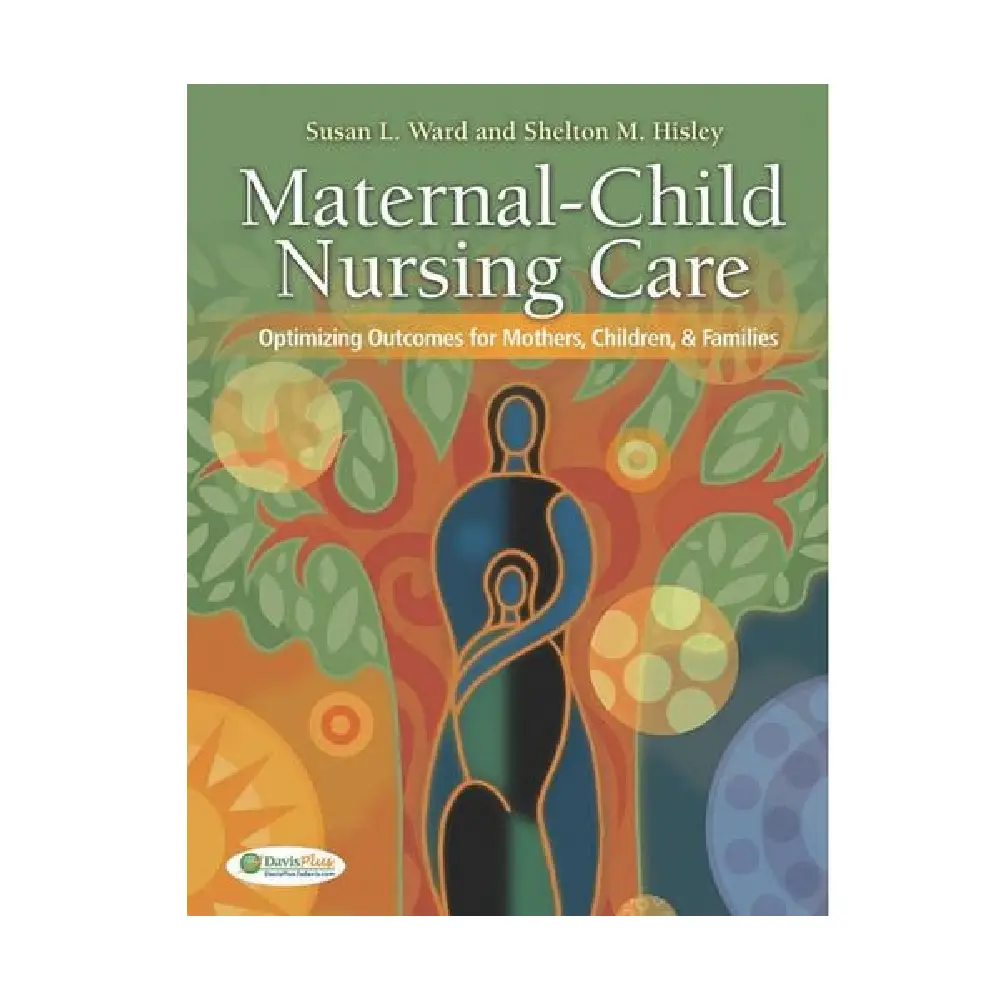
Maternal-Child Nursing Care: Optimizing Outcomes for Mothers, Children, and Families
Maternal-Child Nursing Care: Optimizing Outcomes for Mothers, Children, and Families is a comprehensive nursing textbook designed to provide evidence-based guidance for delivering high-quality care to women, newborns, children, and families. The book emphasizes holistic nursing practice by integrating clinical knowledge with family-centered approaches, ensuring that healthcare professionals can effectively support maternal and child health across different developmental stages. It serves as a valuable resource for nursing students, educators, and practicing clinicians who aim to improve health outcomes through informed clinical decision-making.
The primary focus of this textbook is optimizing outcomes for mothers and children by addressing the biological, psychological, and social dimensions of care. Maternal and child nursing requires a broad understanding of reproductive health, pregnancy physiology, neonatal development, and pediatric wellness. The book systematically presents these topics in a structured manner, helping readers build foundational knowledge before progressing to more complex clinical scenarios. By emphasizing patient safety and quality care standards, it aligns nursing practice with modern healthcare expectations.
One of the major strengths of the book is its emphasis on family-centered nursing care. Maternal and child health does not exist in isolation; it is closely linked to family environment, cultural background, and socioeconomic factors. The textbook highlights the importance of respecting family values, promoting parental participation, and encouraging shared decision-making. Nurses are trained to communicate effectively with families, provide emotional support, and educate caregivers about health maintenance practices. This approach improves treatment adherence and promotes long-term wellness for both mother and child.
The book also provides detailed coverage of prenatal, intrapartum, and postpartum care. During pregnancy, nursing professionals must monitor maternal health, assess fetal development, and identify potential risk factors that could affect birth outcomes. Topics such as nutrition, infection prevention, chronic disease management, and lifestyle modification are discussed extensively. The intrapartum section focuses on labor management, pain control, and emergency obstetric interventions. Postpartum care addresses maternal recovery, breastfeeding support, and psychological adjustment following childbirth.
Neonatal nursing is another important component covered in the textbook. Newborns require specialized assessment and monitoring because they are vulnerable to complications related to prematurity, birth trauma, and congenital disorders. The book explains neonatal vital sign monitoring, thermoregulation, respiratory support, and early feeding practices. Special attention is given to high-risk neonates and infants admitted to intensive care settings. By providing practical clinical guidelines, the textbook helps nurses recognize warning signs and respond quickly to neonatal emergencies.
Pediatric nursing principles are also thoroughly discussed. Children undergo rapid physical and psychological development, which requires age-appropriate healthcare strategies. The textbook explains growth and development milestones, immunization schedules, and common childhood illnesses. It also emphasizes communication techniques suitable for children of different age groups. Nurses are taught to use play therapy, visual aids, and simple language to reduce anxiety during medical procedures.
Another significant feature of the book is its focus on evidence-based practice. Modern maternal-child nursing relies on scientific research to guide clinical interventions. The textbook incorporates updated research findings, clinical case studies, and practical examples to enhance learning. This approach encourages nurses to critically evaluate healthcare information and apply best practices in real-world settings.
Health promotion and disease prevention are central themes throughout the book. Instead of focusing solely on treatment, the textbook promotes preventive healthcare strategies such as vaccination, nutritional counseling, and early screening programs. Community health perspectives are also included to address public health challenges affecting mothers and children in different populations.
Ethical considerations and cultural sensitivity are highlighted as essential components of professional nursing practice. Healthcare providers must respect patient autonomy, maintain confidentiality, and deliver equitable care regardless of social background. The book discusses ethical dilemmas commonly encountered in maternal and child nursing and provides guidance for resolving them responsibly.
In conclusion, Maternal-Child Nursing Care: Optimizing Outcomes for Mothers, Children, and Families is an essential educational resource that supports the development of competent nursing professionals. By integrating clinical knowledge, family-centered care, and evidence-based practice, the book contributes significantly to improving maternal and child health outcomes. Its comprehensive coverage of pregnancy, neonatal care, and pediatric nursing makes it a valuable guide for modern healthcare education and clinical practice.

Reviews
There are no reviews yet