
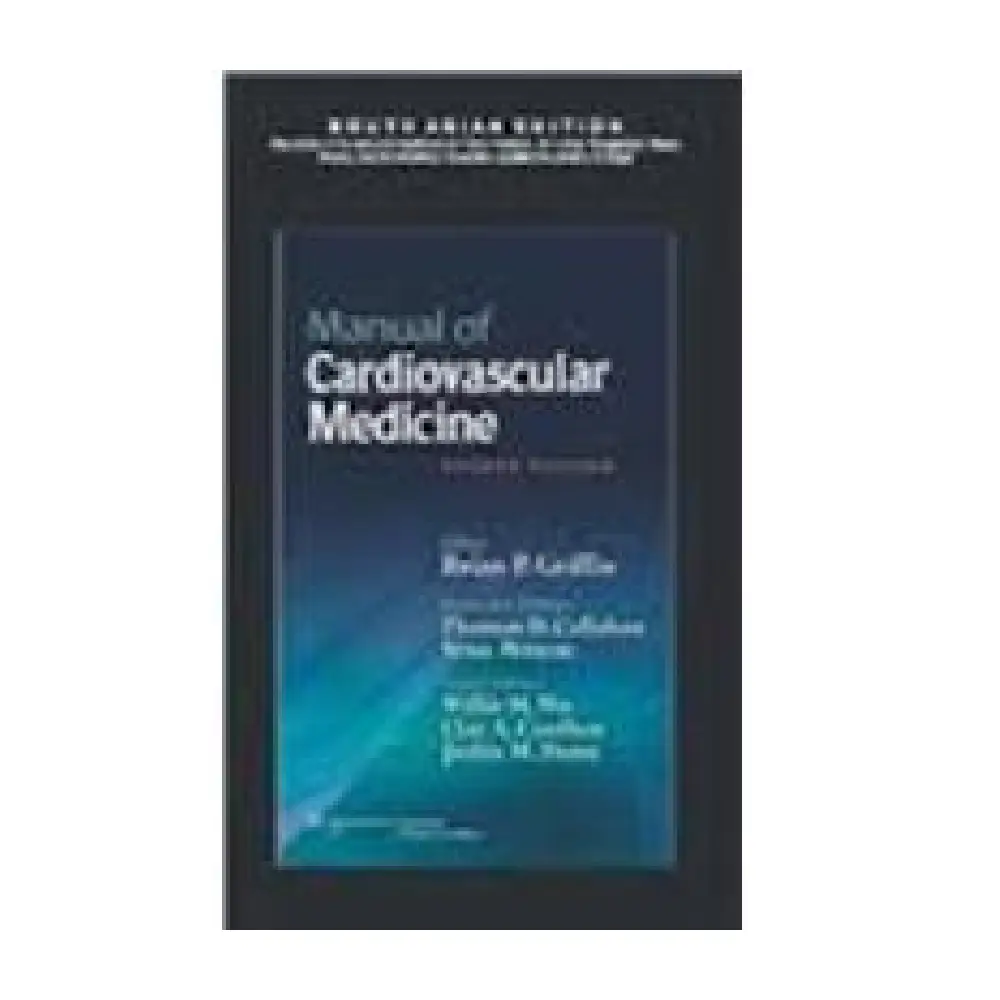
Manual of Cardiovascular Medicine — Overview and Clinical Importance
Manual of Cardiovascular Medicine is a leading clinical reference designed to provide a practical, evidence-based, and up-to-date guide to the diagnosis and management of cardiovascular diseases. Now in its sixth edition, this handbook continues to serve as an indispensable resource for residents, fellows, internal medicine physicians, cardiologists, and other healthcare professionals involved in cardiac care. Edited by Brian P. Griffin, Venu Menon, Ben Alencherry, and Balint Laczay, it reflects expert contributions from experienced clinicians, particularly from the Cleveland Clinic, a globally recognized center for cardiovascular medicine.
One of the core strengths of the manual lies in its practical outline format that organizes clinical information by disease entity, diagnostic strategy, and treatment option. This layout allows busy clinicians and trainees to quickly locate relevant content in daily practice or during exam preparation. Each chapter provides succinct yet comprehensive summaries of key concepts along with high-quality illustrations, electrocardiographic tracings (ECGs), and summary tables that reinforce learning and support rapid clinical decision-making.
The book’s coverage spans virtually every aspect of modern cardiovascular medicine, from fundamental pathophysiology and risk assessment to complex interventional and device-based therapies. A central focus is on evidence-based practice, with recommendations aligned with the latest guidelines from major cardiology societies such as the American College of Cardiology (ACC) and the American Heart Association (AHA). Integration of updated guideline-based care ensures that readers are informed of the most current standards in prevention, diagnosis, and treatment of cardiovascular conditions.
Foundations of Cardiovascular Risk and Prevention
The manual begins with discussions on global cardiovascular risk assessment and primary prevention strategies. It emphasizes the importance of identifying and managing traditional risk factors — such as hypertension, dyslipidemia, diabetes, and smoking — to prevent the development and progression of cardiovascular disease. Lifestyle modification, pharmacologic therapy (including statins, antihypertensives, and antiplatelet agents), and risk stratification tools are reviewed to assist clinicians in formulating individualized prevention plans.
Ischemic Heart Disease and Acute Coronary Syndromes
The book provides extensive coverage of coronary artery disease (CAD), including stable angina and acute coronary syndromes (ACS). It outlines diagnostic criteria, risk stratification, and evidence-based treatment strategies, balancing medical therapy with revascularization techniques such as percutaneous coronary intervention (PCI) and coronary artery bypass grafting (CABG). The manual discusses biomarkers, stress testing, and imaging modalities critical for diagnosing myocardial ischemia, as well as therapeutic approaches tailored to patient risk profiles and clinical stability.
Heart Failure and Cardiomyopathies
Heart failure is addressed as a major clinical syndrome, with emphasis on distinguishing between reduced vs. preserved ejection fraction, recognizing precipitating factors, and optimizing management. Pharmacologic treatment — including ACE inhibitors, beta-blockers, mineralocorticoid receptor antagonists, and newer agents such as SGLT2 inhibitors — is reviewed along with non-pharmacologic strategies. Device therapy (e.g., implantable cardioverter-defibrillators and cardiac resynchronization therapy) and advanced options, such as mechanical circulatory support, are also included.
Arrhythmias and Electrophysiology
Cardiac rhythm disorders have dedicated sections outlining the pathophysiology, diagnosis, and management of common arrhythmias such as atrial fibrillation, supraventricular tachycardia, and ventricular arrhythmias. The manual discusses the role of ECG, ambulatory monitoring, and electrophysiologic testing. It also reviews antiarrhythmic pharmacotherapy, anticoagulation decisions in atrial fibrillation, and procedural techniques such as catheter ablation and device implantation.
Valvular Heart Disease and Structural Heart Disorders
Valvular heart conditions, including aortic stenosis, mitral regurgitation, and other structural abnormalities, are examined with respect to their etiology, clinical manifestations, diagnostic approach, and therapy. Both medical management and interventional options — including transcatheter valve therapies — are covered. The manual emphasizes integrating imaging findings with clinical assessment to guide treatment, especially in older or comorbid patients.
Noninvasive and Invasive Diagnostic Tools
The manual places strong emphasis on cardiovascular diagnostics. It reviews echocardiography, stress testing, nuclear cardiology, cardiac magnetic resonance imaging, and computed tomography, detailing how each modality contributes to risk assessment and decision-making. Invasive procedures such as right and left cardiac catheterization are summarized with practical insights for interpretation and clinical application.
Emerging Topics and Special Populations
In its latest editions, the manual also addresses contemporary topics such as cardio-oncology (heart disease in cancer patients), the cardiac implications of COVID-19 infection, and fundamentals of cardiac pacing. These additions reflect the evolving landscape of cardiovascular medicine and the need for clinicians to stay abreast of new disease associations and treatment modalities.
In summary, Manual of Cardiovascular Medicine is a comprehensive, practical, and authoritative clinical reference that supports evidence-based practice in cardiovascular care. Its clear organization, emphasis on guideline-driven recommendations, and integration of diagnostic and therapeutic strategies make it invaluable for clinicians seeking accessible yet thorough guidance in cardiology.




Reviews
There are no reviews yet