
Manual of Cardiac Diagnosis
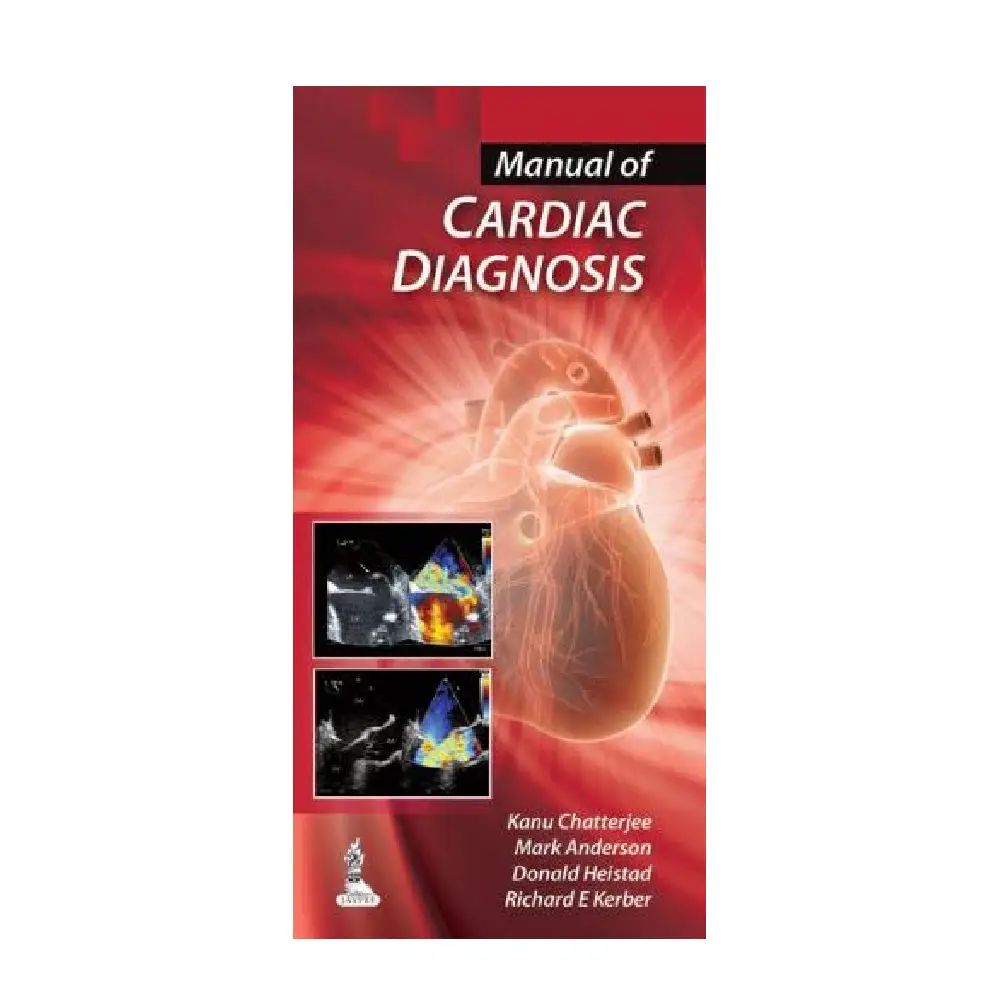
Manual of Cardiac Diagnosis is a comprehensive, clinically‑oriented cardiology textbook designed to guide physicians, cardiology trainees, and other healthcare professionals through the systematic evaluation and diagnosis of cardiovascular diseases. Written by internationally recognized experts including Kanu Chatterjee, Richard E. Kerber, Mark Anderson, and Donald Heistad, this manual integrates time‑tested clinical methods with modern imaging and diagnostic technology, making it invaluable in both academic and practical settings.
Spanning close to 900 pages and featuring over 700 detailed illustrations and imaging examples, the book blends traditional diagnostic approaches such as history taking and physical examination with the latest non‑invasive and invasive cardiovascular imaging modalities. It supports clinicians in recognizing pathologic conditions, interpreting complex diagnostic data, and selecting appropriate testing strategies.
Structure and Content Highlights
1. Foundational Clinical Assessment
The manual begins with the cornerstones of cardiac diagnosis: patient history and physical examination. These chapters emphasise technique, symptom interpretation, and clinical reasoning—skills that remain indispensable even in the era of advanced technology. Understanding a patient’s history, from angina and dyspnea to palpitations and syncope, is essential because these narratives direct further testing and help differentiate between cardiac and non‑cardiac causes of symptoms.
Physical findings—such as heart sounds, murmurs, jugular venous pressure, and peripheral signs—are described in detail, with illustrations to support clinical pattern recognition. Mastery of these fundamentals increases diagnostic accuracy, particularly in resource‑limited settings or initial bedside assessments.
2. Electrocardiography and Exercise Testing
Electrocardiography (ECG) is a critical diagnostic tool in cardiology. The manual thoroughly explains ECG interpretation, including recognition of arrhythmias, conduction abnormalities, signs of ischemia, infarction, and chamber enlargement. It also discusses exercise stress testing, which evaluates cardiac response to physical exertion and is useful for detecting ischemic heart disease and assessing functional capacity.
These sections balance foundational ECG interpretation skills with clinically relevant examples and diagrams to help clinicians correlate ECG findings with specific cardiac conditions.
3. Echocardiography and Advanced Ultrasonography
Echocardiography is the most widely used imaging technique in cardiac diagnosis. The manual covers:
-
Transthoracic echocardiography (TTE)
-
Stress echocardiography
-
Transesophageal echocardiography (TEE)
-
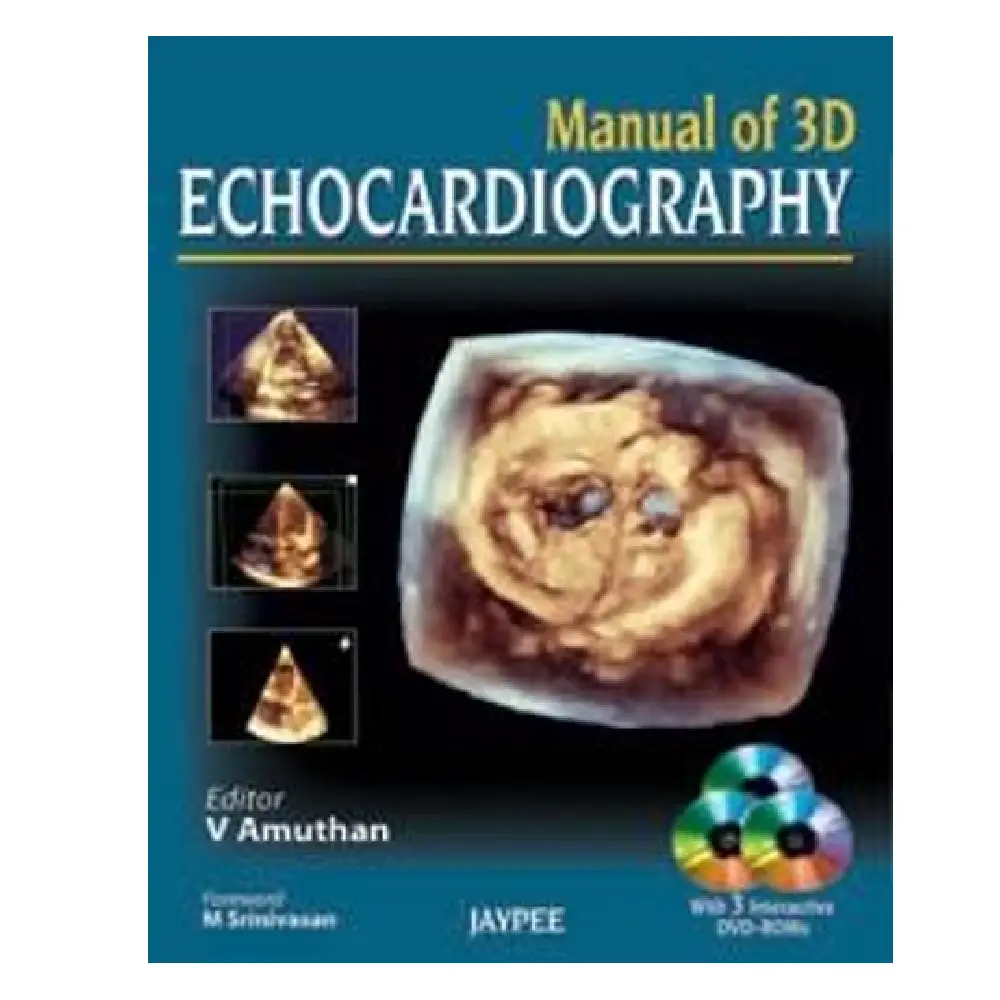
Real‑time three‑dimensional echocardiography
These chapters discuss how to assess ventricular function, valve morphology and function, pericardial disease, and structural abnormalities. Echocardiography’s versatility in both outpatient and emergency settings makes it a pivotal topic in the book.
4. Non‑Invasive Imaging Modalities
Beyond ultrasound, the manual includes in‑depth discussions of:
-
Cardiac computed tomography (CT) — helpful in evaluating coronary artery disease and structural anomalies.
-
Cardiovascular magnetic resonance (CMR) — offers superior soft‑tissue characterization and functional assessment without ionising radiation.
-
Nuclear cardiology techniques — including myocardial perfusion imaging for detecting ischemia and viability.
-
Molecular imaging — future‑oriented techniques that provide insight into disease processes at a biochemical level.
This broad coverage enables clinicians to choose the most appropriate modality based on clinical indications, patient risk, and local resources.
5. Invasive Diagnostic Techniques
While non‑invasive testing has expanded, invasive methods remain essential in certain scenarios. The manual includes chapters on coronary angiography, Swan‑Ganz catheterisation, and hemodynamic evaluation. These techniques provide definitive information about coronary anatomy, intracardiac pressures, and cardiac output—information critical for managing complex cases such as acute coronary syndromes and heart failure.
The discussions balance procedural detail with clinical application, emphasising interpretation of invasive data in the context of overall patient assessment.
Clinical Integration and Practical Approach
What sets this manual apart is its practical focus. Each topic reinforces how diagnostic choices influence treatment decisions. For example:
-
When to use stress testing vs. advanced imaging
-
Which modalities best characterise structural vs. ischemic disease
-
How to integrate ECG and imaging findings with clinical presentation
This problem‑oriented approach trains clinicians to think diagnostically, not just procedurally.
Audience and Utility
Manual of Cardiac Diagnosis is primarily aimed at:
-
Cardiologists and cardiology fellows
-
Internal medicine physicians
-
Residents and clinical trainees
-
Practicing clinicians seeking a reference for diagnostic strategies
Its clear structure, practical examples, and extensive illustrations make it effective for learning, teaching, and day‑to‑day clinical reference.
Conclusion
In a specialty as complex and technology‑driven as cardiology, a solid grasp of diagnostic principles is essential. Manual of Cardiac Diagnosis bridges classical clinical skills with modern imaging and invasive techniques, offering clinicians a detailed roadmap to assess and interpret cardiac disease. Its balance of fundamentals and advanced topics makes it a valuable resource for both training and clinical practice in cardiovascular medicine.

Reviews
There are no reviews yet