
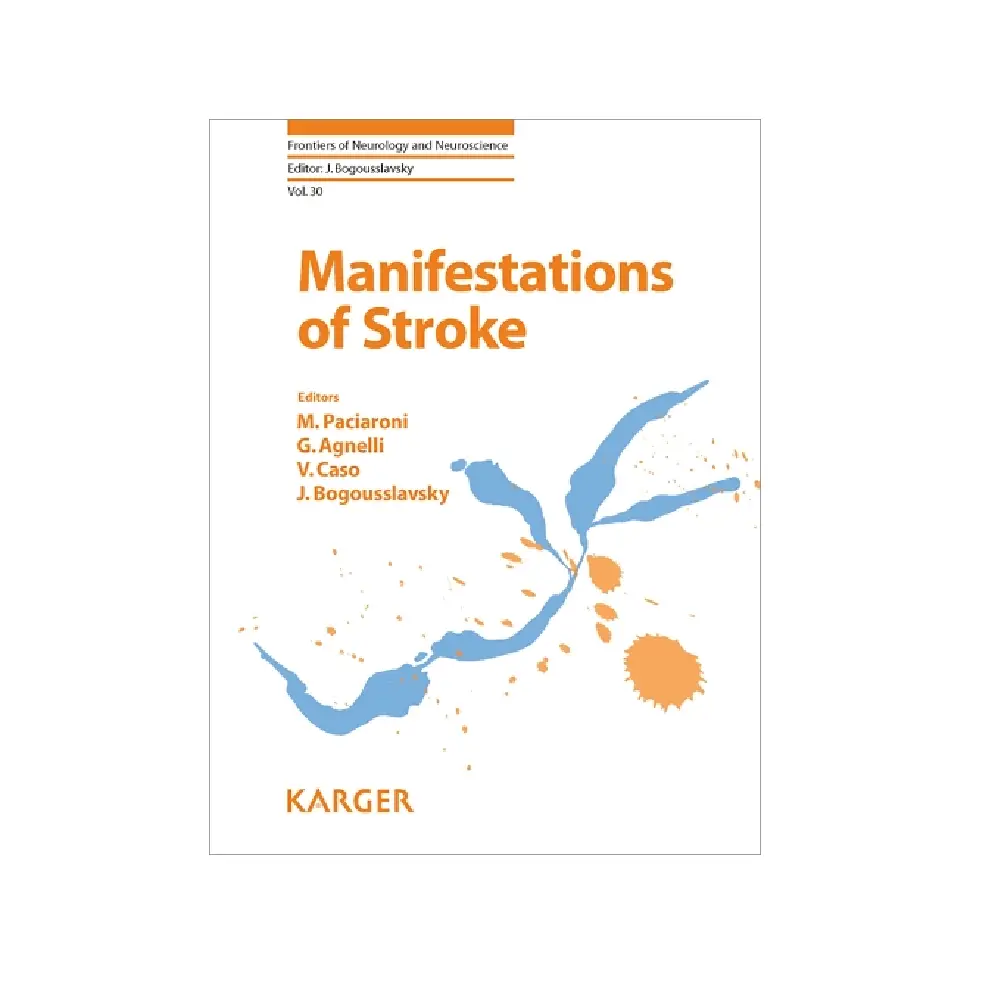
Manifestations of Stroke
Stroke is a leading cause of death and long-term disability worldwide, resulting from an interruption of blood supply to the brain or bleeding within brain tissue. The clinical manifestations of stroke are diverse and depend on the type of stroke, location of brain involvement, size of the lesion, and speed of onset. Recognizing these manifestations is essential for early diagnosis, rapid treatment, and improved outcomes.
Types of Stroke and Their Clinical Impact
Stroke is broadly classified into ischemic stroke, caused by arterial occlusion, and hemorrhagic stroke, caused by rupture of cerebral vessels. Ischemic strokes account for the majority of cases and often present with sudden focal neurological deficits. Hemorrhagic strokes, including intracerebral and subarachnoid hemorrhage, tend to have more abrupt and severe presentations, frequently accompanied by headache and altered consciousness.
Motor and Sensory Deficits
Motor weakness is one of the most common manifestations of stroke. Patients may develop hemiparesis or hemiplegia, typically affecting the face, arm, and leg on one side of the body. Upper motor neuron signs such as spasticity, hyperreflexia, and pathological reflexes may appear as recovery progresses.
Sensory disturbances include loss or alteration of sensation to touch, pain, temperature, or proprioception. These deficits often accompany motor impairment and reflect involvement of the sensory cortex or thalamic pathways.
Speech and Language Disturbances
Stroke affecting the dominant hemisphere can result in aphasia, characterized by impaired speech production, comprehension, naming, or repetition. Broca’s aphasia presents with nonfluent, effortful speech, whereas Wernicke’s aphasia is marked by fluent but meaningless speech with poor comprehension. Dysarthria, caused by weakness or incoordination of speech muscles, may occur with brainstem or motor pathway involvement.
Visual and Perceptual Deficits
Visual disturbances are common manifestations of stroke. Patients may experience hemianopia, loss of vision in one half of the visual field, due to occipital lobe or optic pathway involvement. Visual neglect, particularly following right parietal lobe stroke, leads to inattention to one side of space despite intact visual fields.
Other perceptual disturbances include difficulty recognizing objects or faces and impaired spatial awareness.
Cognitive and Behavioral Changes
Cognitive impairment following stroke may involve deficits in attention, memory, executive function, and problem-solving. Frontal lobe strokes often produce changes in personality, judgment, and behavior, including apathy, impulsivity, or emotional lability.
Post-stroke depression and anxiety are common and significantly affect recovery and quality of life. Emotional disturbances such as pathological laughing or crying may also occur.
Brainstem and Cerebellar Manifestations
Strokes involving the brainstem and cerebellum can produce distinctive manifestations, including vertigo, nausea, vomiting, diplopia, dysphagia, and ataxia. Cranial nerve deficits may result in facial weakness, sensory loss, or impaired eye movements. Severe brainstem strokes can lead to impaired consciousness and respiratory dysfunction.
Altered Consciousness and Severe Presentations
Large hemispheric strokes or hemorrhagic strokes may cause altered level of consciousness, confusion, or coma, often due to increased intracranial pressure or widespread cerebral dysfunction. Sudden severe headache, particularly described as “the worst headache of life,” is characteristic of subarachnoid hemorrhage.
Transient and Atypical Manifestations
Transient ischemic attacks (TIAs) produce stroke-like symptoms that resolve within a short time but signal high risk for subsequent stroke. Atypical presentations, including isolated dizziness, confusion, or visual symptoms, may delay diagnosis and treatment.
Conclusion
The manifestations of stroke are varied and reflect the complexity of brain function. Prompt recognition of these signs enables rapid intervention, reducing brain injury and improving outcomes. Understanding the clinical spectrum of stroke is essential for healthcare professionals, patients, and caregivers alike.

Reviews
There are no reviews yet