
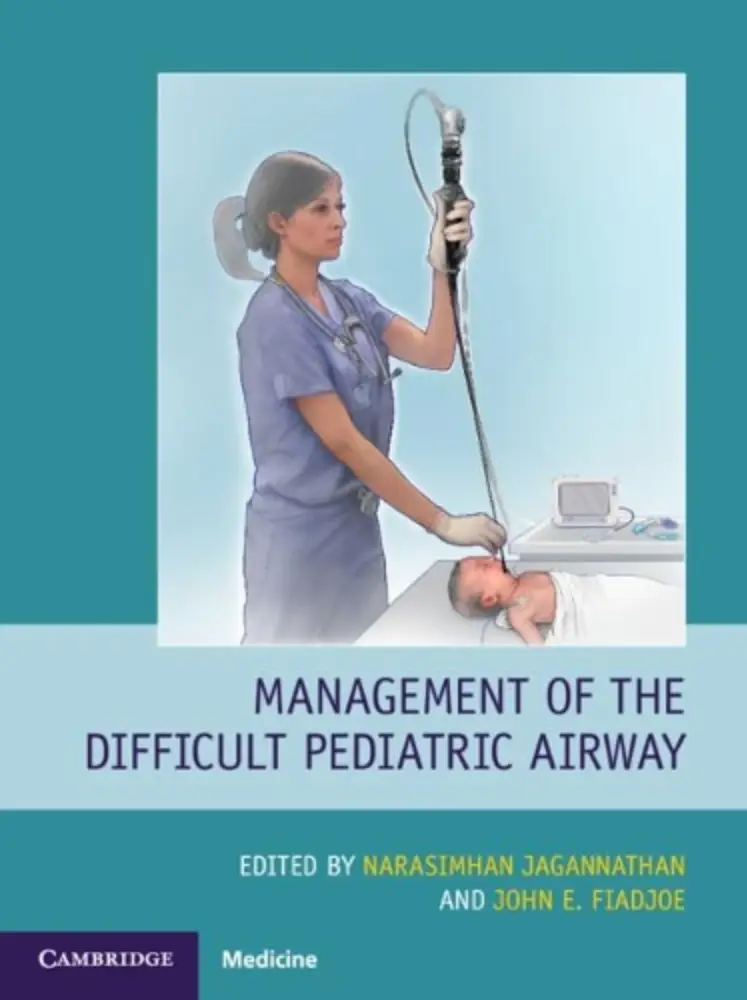


Management of the Difficult Pediatric Airway is a critical area in pediatric anesthesia, emergency medicine, and intensive care, focusing on the safe and effective handling of airway challenges in infants and children. Unlike adults, pediatric patients have unique anatomical and physiological characteristics that make airway management more complex and demand specialized knowledge, skills, and preparation.
The pediatric airway differs significantly from the adult airway. Children have a relatively larger tongue, a more anterior and cephalad larynx, a narrower airway, and a more compliant airway structure. These features increase the risk of airway obstruction and make visualization during intubation more difficult. Additionally, infants and young children have higher oxygen consumption and lower functional residual capacity, which means they can desaturate rapidly during airway compromise. Understanding these differences is essential for anticipating and managing difficult airway situations.
A difficult pediatric airway may arise due to congenital anomalies, trauma, infections, or acquired conditions. Congenital syndromes such as Pierre Robin sequence, Treacher Collins syndrome, and Down syndrome are commonly associated with airway challenges. Conditions like epiglottitis, croup, and foreign body aspiration can also lead to airway obstruction. Identifying risk factors through thorough preoperative or clinical assessment is a key step in management.
Preparation is the cornerstone of successful airway management. This includes having a well-equipped airway cart with appropriately sized equipment such as masks, laryngoscopes, endotracheal tubes, supraglottic airway devices, and emergency surgical airway tools. A clear airway management plan, including backup strategies, should be established before attempting intubation. Team communication and role allocation are equally important, especially in emergency situations.
The initial approach to airway management often involves basic techniques such as proper positioning, suctioning, and the use of bag-mask ventilation. Ensuring adequate oxygenation is always the primary goal. If intubation is required, direct laryngoscopy is commonly used, but visualization can be challenging in difficult cases. In such situations, advanced tools like video laryngoscopes and fiberoptic bronchoscopes provide improved visualization and higher success rates.
Supraglottic airway devices, such as laryngeal mask airways (LMAs), play an important role as both primary and rescue devices. They can be used when intubation fails or as a bridge to more definitive airway management. In extreme cases where non-invasive methods are unsuccessful, emergency surgical airway techniques such as needle cricothyrotomy may be necessary, although these are rare and technically challenging in children.
The use of sedation and anesthesia must be carefully tailored to the patient’s condition. Maintaining spontaneous breathing is often preferred in anticipated difficult airways to reduce the risk of complete airway obstruction. Drugs should be selected and dosed appropriately, considering the child’s age, weight, and clinical status.
Monitoring during airway management is essential. Continuous pulse oximetry, capnography, and cardiac monitoring help detect early signs of hypoxia or complications. After securing the airway, proper confirmation of endotracheal tube placement is critical, usually achieved through capnography and clinical assessment.
Post-procedure care is equally important. Children with difficult airways may require close observation in an intensive care setting due to the risk of airway edema, obstruction, or respiratory compromise. Documentation of the airway difficulty and the techniques used is crucial for future reference and patient safety.
Recent advancements in technology and training have improved outcomes in managing difficult pediatric airways. Simulation-based training allows healthcare providers to practice complex scenarios in a controlled environment, enhancing skills and confidence. The development of standardized guidelines and algorithms has also contributed to safer and more effective management.
In conclusion, the management of the difficult pediatric airway requires a thorough understanding of pediatric anatomy, careful planning, and the use of appropriate techniques and equipment. A systematic and team-based approach, combined with ongoing training and technological support, is essential to ensure patient safety and successful outcomes in these high-risk situations.









Reviews
There are no reviews yet