
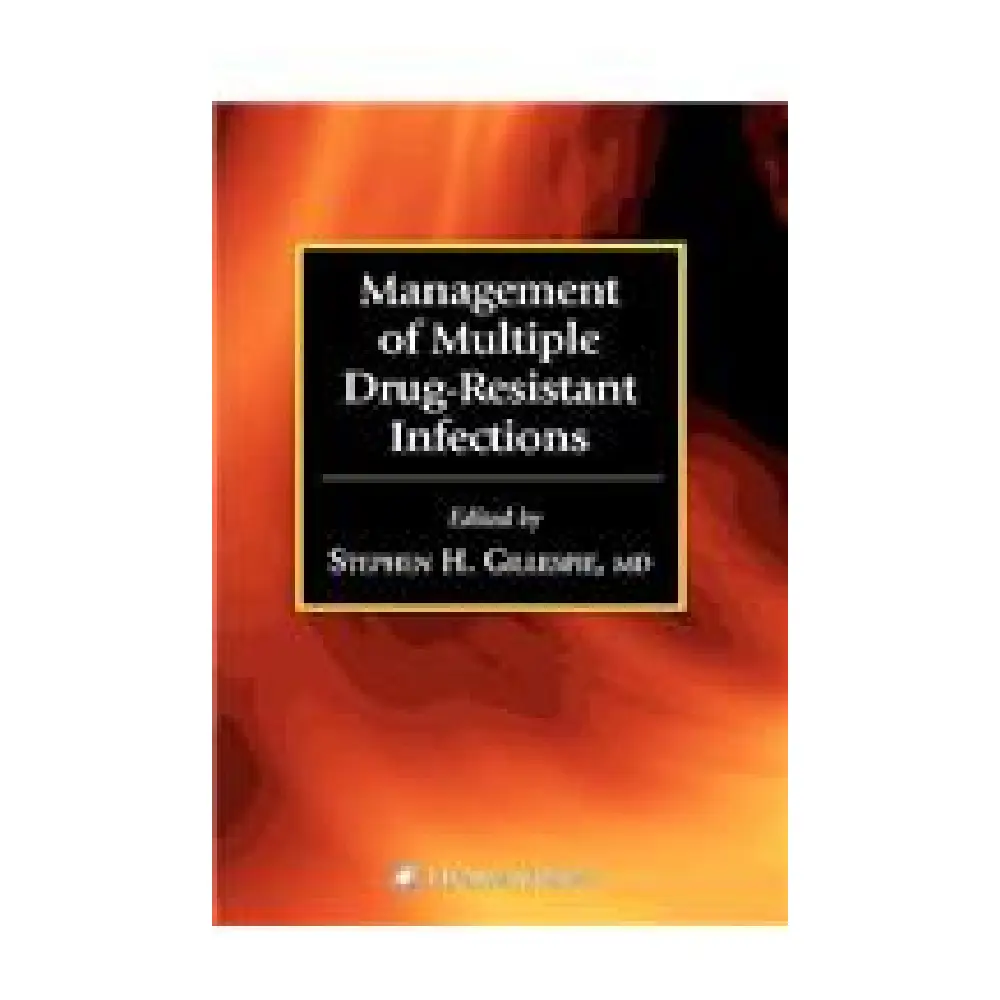


Management of Multiple Drug-Resistant Infections is a specialized medical reference that addresses one of the most pressing challenges in modern healthcare—the prevention and treatment of infections caused by multidrug-resistant (MDR) organisms. As antimicrobial resistance continues to rise globally, clinicians are increasingly confronted with pathogens that are resistant to multiple classes of antibiotics. This book provides evidence-based guidance for infectious disease specialists, microbiologists, intensivists, pharmacists, and postgraduate medical trainees involved in the care of patients with complex infections.
The primary focus of the book is on understanding the mechanisms of antimicrobial resistance and applying rational therapeutic strategies. It begins by explaining how bacteria develop resistance through genetic mutations, horizontal gene transfer, efflux pumps, enzymatic degradation of antibiotics, and biofilm formation. These mechanisms are discussed in detail to help clinicians appreciate why certain pathogens fail to respond to conventional therapy. A strong foundation in microbiology enables healthcare professionals to select appropriate antimicrobial regimens based on susceptibility patterns.
The book covers major multidrug-resistant organisms encountered in clinical practice. These typically include methicillin-resistant Staphylococcus aureus (MRSA), vancomycin-resistant enterococci (VRE), extended-spectrum beta-lactamase (ESBL)–producing Enterobacteriaceae, carbapenem-resistant Klebsiella pneumoniae, multidrug-resistant Acinetobacter baumannii, and resistant Pseudomonas aeruginosa. Each organism is examined with regard to epidemiology, pathogenesis, risk factors, diagnostic strategies, and recommended treatment protocols. Special emphasis is placed on hospital-acquired infections and intensive care unit–associated pathogens.
Therapeutic management is a central theme of the text. It provides detailed discussions on antimicrobial selection, dosing strategies, combination therapy, and duration of treatment. Pharmacokinetic and pharmacodynamic principles are highlighted to ensure optimal drug exposure and minimize toxicity. The book also examines the role of newer antimicrobial agents, such as advanced beta-lactam/beta-lactamase inhibitor combinations, and discusses when they should be used to preserve their efficacy.
Antimicrobial stewardship is another key component addressed in the book. It stresses the importance of rational antibiotic prescribing to slow the development of resistance. Strategies such as de-escalation therapy, culture-guided treatment, restricted antibiotic policies, and infection control practices are thoroughly explained. By integrating stewardship principles into daily practice, healthcare institutions can reduce inappropriate antibiotic use and improve patient outcomes.
Diagnostic advancements are also discussed in detail. Rapid molecular testing, polymerase chain reaction (PCR)–based assays, and automated susceptibility testing systems have transformed the early detection of resistant pathogens. The book explains how early and accurate identification of resistance patterns can guide timely and effective therapy, reducing morbidity and mortality.
The text also explores special clinical scenarios, including management of MDR infections in immunocompromised patients, transplant recipients, neonates, and critically ill individuals. These populations often require individualized treatment strategies due to altered immunity, organ dysfunction, or drug interactions. The book provides practical algorithms and case-based discussions to assist clinicians in making informed decisions in these complex cases.
Infection prevention and hospital epidemiology form an essential part of the discussion. The book outlines infection control measures such as hand hygiene, isolation precautions, environmental cleaning, and surveillance programs. These preventive strategies are critical in limiting the spread of resistant organisms within healthcare settings.
Global health perspectives are incorporated to highlight the burden of antimicrobial resistance worldwide. The text discusses the role of antibiotic misuse in outpatient settings, agriculture, and low-resource environments. It underscores the need for international collaboration, policy reforms, and research initiatives to combat the growing threat of resistance.
Educational features such as clinical case studies, treatment algorithms, summary tables, and evidence-based guidelines enhance the practical value of the book. These tools make it particularly useful for postgraduate students preparing for examinations in infectious diseases and internal medicine.
Overall, Management of Multiple Drug-Resistant Infections serves as an authoritative guide for clinicians dealing with resistant pathogens. By combining microbiological principles, pharmacological strategies, and infection control measures, the book equips healthcare professionals with the knowledge required to manage complex infections effectively. It remains a vital resource in the ongoing global effort to combat antimicrobial resistance and safeguard the future of effective antibiotic therapy.


Reviews
There are no reviews yet