
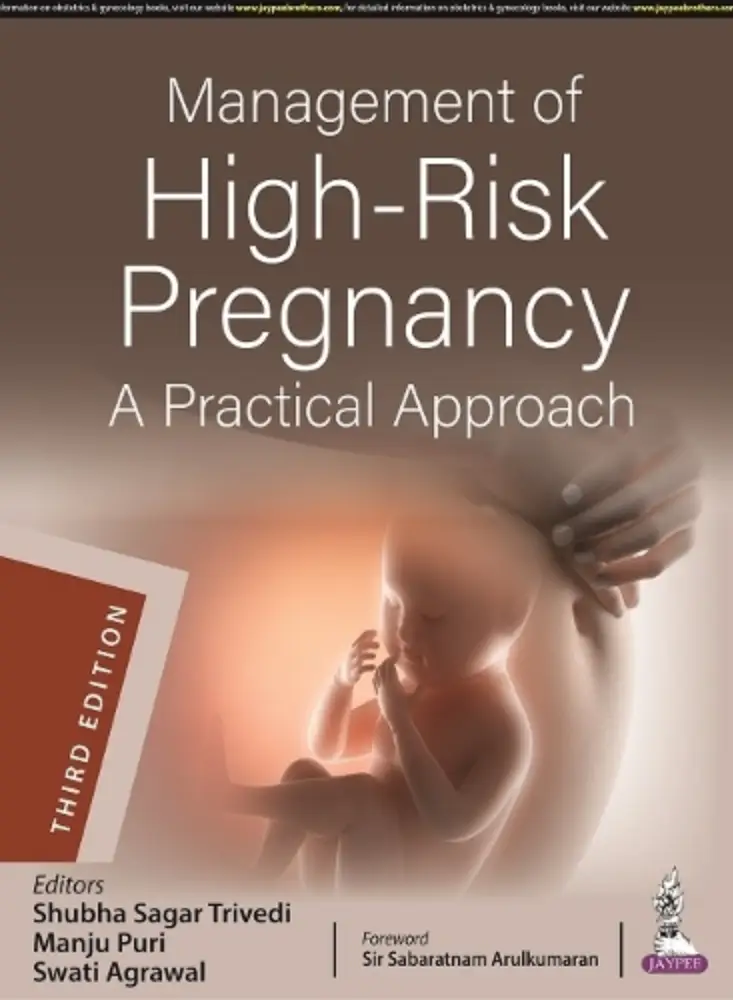


Management of High-Risk Pregnancy: A Practical Approach, 3rd Edition
Management of High-Risk Pregnancy: A Practical Approach, 3rd Edition is an authoritative and clinically focused guide that addresses the complexities involved in caring for pregnancies with increased maternal or fetal risk. Designed primarily for obstetricians, gynecologists, postgraduate students, and healthcare providers in maternal-fetal medicine, the book combines theoretical knowledge with practical strategies to optimize outcomes in challenging clinical situations.
The book begins by establishing a clear understanding of what constitutes a high-risk pregnancy. It emphasizes early identification of risk factors, including maternal age extremes, pre-existing medical disorders, adverse obstetric history, and lifestyle or environmental influences. The authors stress the importance of comprehensive antenatal care, risk stratification, and individualized management plans to reduce complications and improve prognosis.
A key strength of this edition is its in-depth coverage of medical disorders in pregnancy. Conditions such as hypertensive disorders, diabetes mellitus, thyroid dysfunction, cardiac diseases, renal disorders, and hematological abnormalities are discussed in detail. Each topic includes pathophysiology, clinical presentation, diagnostic criteria, and updated management protocols. Special consideration is given to the safe use of medications during pregnancy, ensuring both maternal well-being and fetal safety.
The book also provides extensive insight into obstetric complications that contribute to high-risk scenarios. Chapters on preeclampsia, eclampsia, preterm labor, multiple pregnancies, placenta previa, placental abruption, and intrauterine growth restriction (IUGR) offer evidence-based approaches to diagnosis and treatment. The authors integrate current guidelines with practical clinical tips, making it easier for clinicians to apply knowledge in real-world settings.
Fetal surveillance and monitoring form another important component of the text. Techniques such as ultrasonography, Doppler velocimetry, non-stress testing, and biophysical profiling are explained in a clear and concise manner. The book guides clinicians in interpreting these investigations and making informed decisions regarding the timing and mode of delivery. This is particularly crucial in preventing adverse perinatal outcomes.
The section on fetal medicine highlights advancements in prenatal diagnosis and therapy. Topics such as congenital anomalies, genetic counseling, screening tests, and invasive diagnostic procedures are covered comprehensively. The authors also address emerging technologies and interventions that allow early detection and management of fetal conditions, thereby improving survival and quality of life.
Infectious diseases in pregnancy are given significant attention, reflecting their impact on maternal and neonatal health. The book discusses common infections, including TORCH infections, HIV, hepatitis, and other emerging pathogens. Preventive measures, screening strategies, and treatment protocols are clearly outlined, with a focus on minimizing vertical transmission and ensuring safe pregnancy outcomes.
Labor and delivery management in high-risk cases is another critical area addressed in this edition. The book provides guidance on intrapartum monitoring, pain management, and decision-making regarding operative interventions such as cesarean section. Postpartum care is also thoroughly discussed, including the management of complications like postpartum hemorrhage, infection, and thromboembolic events. The importance of multidisciplinary collaboration, including neonatologists and critical care specialists, is strongly emphasized.
One of the distinguishing features of this book is its practical orientation. The use of flowcharts, tables, clinical algorithms, and case-based discussions enhances understanding and facilitates quick decision-making in busy clinical environments. Evidence-based recommendations and updated guidelines are seamlessly integrated throughout the chapters, ensuring that readers remain aligned with current standards of care.
Additionally, the book acknowledges the psychosocial dimensions of high-risk pregnancy. It underscores the need for effective communication, patient counseling, and emotional support, recognizing that these factors play a vital role in overall care. Ethical considerations and patient-centered approaches are also discussed, adding depth to the clinical content.
In conclusion, Management of High-Risk Pregnancy: A Practical Approach, 3rd Edition is a comprehensive and indispensable resource for managing complex pregnancies. Its balanced approach, combining scientific rigor with clinical practicality, makes it an essential reference for improving maternal and fetal outcomes in high-risk obstetric practice.


Reviews
There are no reviews yet