
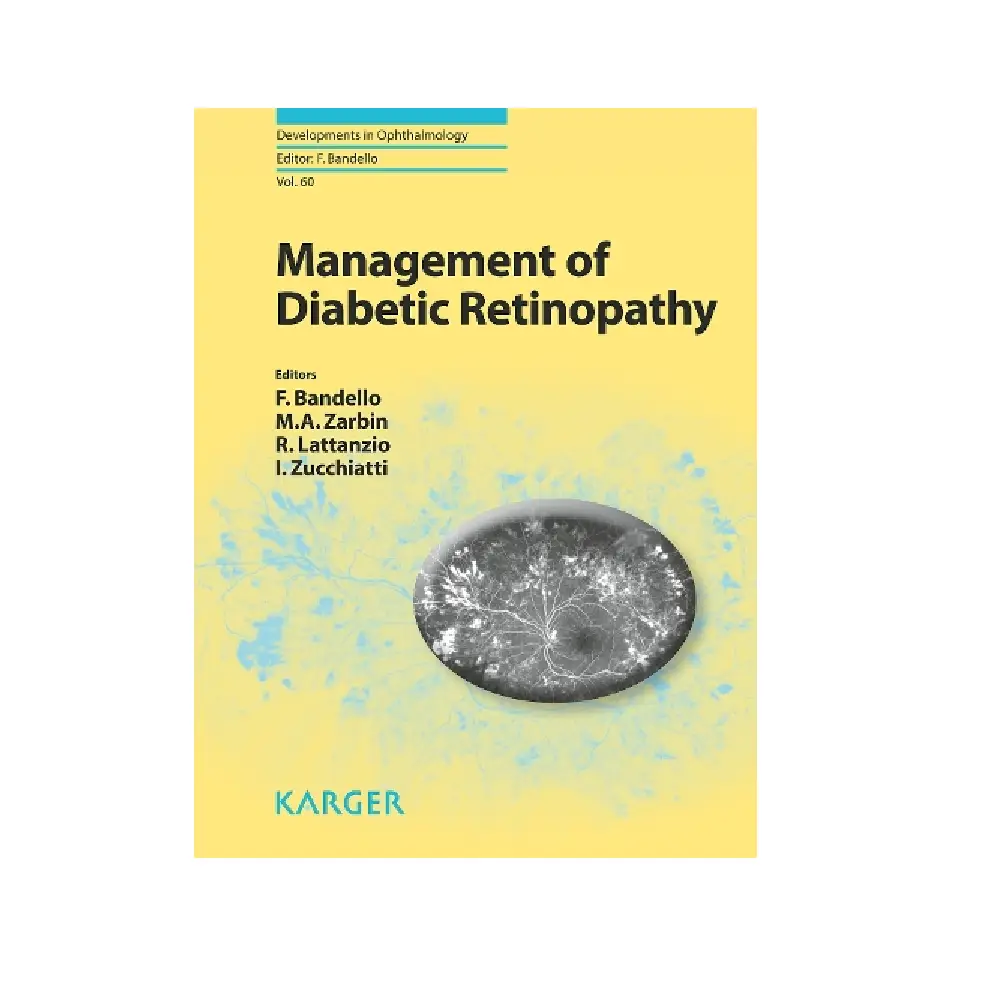


Management of Diabetic Retinopathy
Diabetic retinopathy (DR) is one of the most common microvascular complications of diabetes mellitus and a leading cause of preventable blindness among working-age adults worldwide. It results from chronic hyperglycemia-induced damage to retinal blood vessels, leading to progressive retinal ischemia, vascular leakage, and neovascularization. Effective management of diabetic retinopathy requires a comprehensive approach that combines systemic metabolic control, regular screening, timely ophthalmic intervention, and patient education.
Pathophysiology and Classification
Diabetic retinopathy develops due to prolonged hyperglycemia, which causes endothelial dysfunction, capillary basement membrane thickening, pericyte loss, and microaneurysm formation. These changes lead to increased vascular permeability and capillary occlusion.
Clinically, DR is classified into non-proliferative diabetic retinopathy (NPDR) and proliferative diabetic retinopathy (PDR). NPDR ranges from mild microaneurysms to severe forms characterized by intraretinal hemorrhages, venous beading, and intraretinal microvascular abnormalities. PDR is defined by the presence of retinal or optic disc neovascularization and carries a high risk of vitreous hemorrhage and tractional retinal detachment.
Diabetic macular edema (DME) can occur at any stage of retinopathy and is the most common cause of vision loss in diabetic patients.
Screening and Early Detection
Early detection is central to preventing vision loss from diabetic retinopathy. Regular fundus examination and retinal imaging are recommended for all patients with diabetes. Screening intervals depend on diabetes type, duration, and disease severity.
Advances in digital fundus photography, optical coherence tomography (OCT), and teleophthalmology have improved access to screening, particularly in underserved areas. Early identification of sight-threatening retinopathy allows timely intervention and significantly reduces the risk of visual impairment.
Systemic Management
Optimal systemic control is the foundation of diabetic retinopathy management. Tight glycemic control reduces the onset and progression of DR, as demonstrated by major clinical trials. Control of blood pressure and lipid levels further lowers the risk of retinopathy progression and macular edema.
Lifestyle modification, including diet, exercise, and smoking cessation, plays an important supportive role. Collaboration between ophthalmologists, endocrinologists, and primary care physicians is essential for holistic care.
Ocular Treatment Modalities
Laser Photocoagulation
Laser photocoagulation has been a cornerstone of DR treatment for decades. Panretinal photocoagulation (PRP) is indicated for proliferative diabetic retinopathy and works by reducing retinal ischemia and neovascular drive. Focal and grid laser therapy may be used for selected cases of diabetic macular edema.
While effective, laser treatment may cause peripheral visual field loss and reduced night vision, highlighting the need for careful patient selection.
Intravitreal Pharmacotherapy
The introduction of intravitreal anti–vascular endothelial growth factor (anti-VEGF) agents has revolutionized the management of diabetic macular edema and proliferative disease. Anti-VEGF therapy reduces vascular permeability, suppresses neovascularization, and improves visual outcomes.
Intravitreal corticosteroids are alternative options, particularly in patients who are poor responders to anti-VEGF therapy or in pseudophakic eyes. Steroid use requires monitoring for side effects such as cataract formation and elevated intraocular pressure.
Surgical Management
Pars plana vitrectomy is indicated for advanced diabetic retinopathy complicated by non-clearing vitreous hemorrhage, tractional retinal detachment involving the macula, or combined tractional and rhegmatogenous detachment. Surgical intervention can restore vision and prevent further complications when performed at the appropriate time.
Patient Education and Follow-Up
Patient education is a critical component of diabetic retinopathy management. Patients should be informed about the importance of regular eye examinations, adherence to treatment, and systemic disease control. Long-term follow-up is essential, as diabetic retinopathy is a chronic, progressive condition requiring ongoing monitoring.
Emerging Therapies and Future Directions
Ongoing research aims to develop long-acting drug delivery systems, novel pharmacologic targets, and personalized treatment strategies. Advances in artificial intelligence for retinal image analysis are enhancing screening efficiency and early diagnosis.
Conclusion
The management of diabetic retinopathy has evolved significantly with advances in screening, pharmacotherapy, and surgical techniques. A multidisciplinary, patient-centered approach that integrates systemic disease control with timely ocular intervention remains the cornerstone of preventing vision loss and improving quality of life for individuals with diabetes.







Reviews
There are no reviews yet