
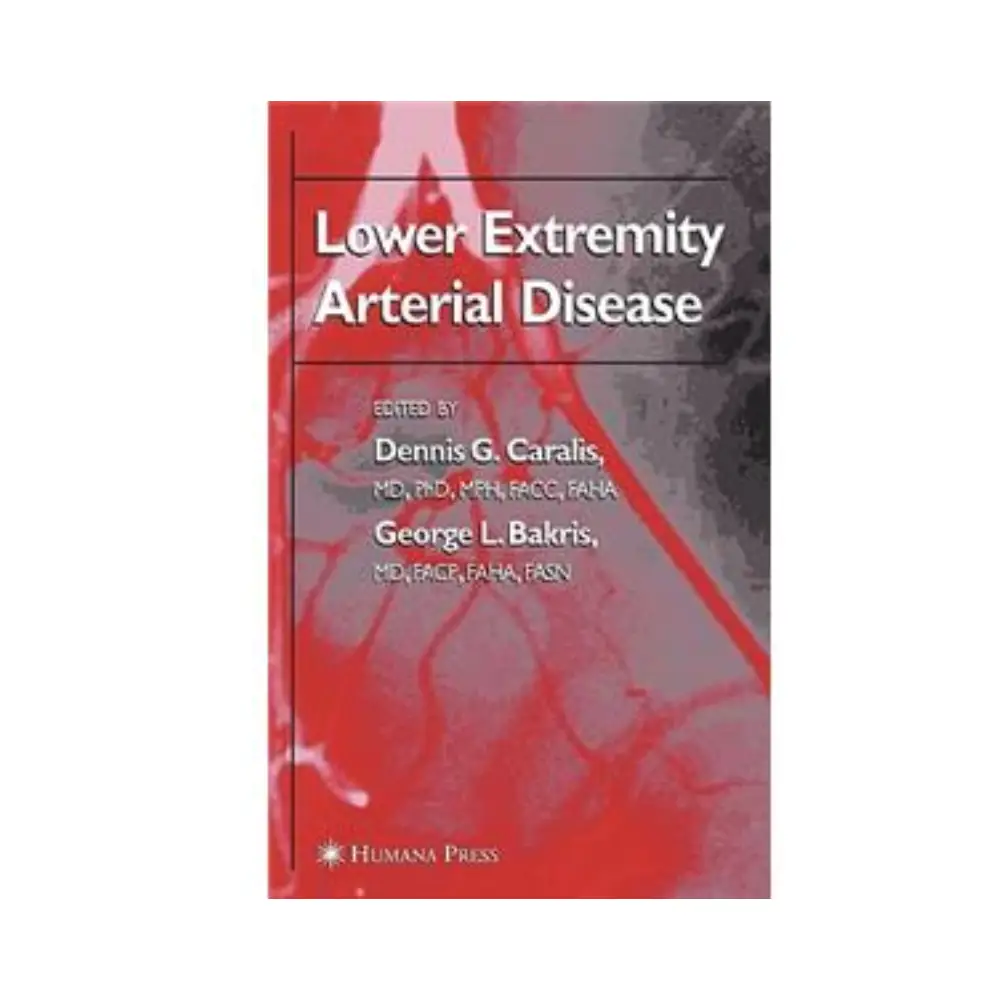
Lower Extremity Arterial Disease
Lower Extremity Arterial Disease (LEAD), also referred to as peripheral arterial disease of the lower limbs, is a common manifestation of systemic atherosclerosis characterized by the progressive narrowing or occlusion of arteries supplying the legs. It is a significant cause of morbidity worldwide and is closely associated with an increased risk of cardiovascular and cerebrovascular events. LEAD affects millions of individuals globally, particularly older adults and those with established cardiovascular risk factors.
Pathophysiology
The underlying pathological process in LEAD is atherosclerosis, a chronic inflammatory condition marked by lipid deposition, endothelial dysfunction, smooth muscle proliferation, and plaque formation within arterial walls. In the lower extremities, atherosclerotic plaques most commonly involve the aorto-iliac, femoropopliteal, and infrapopliteal arterial segments. As luminal narrowing progresses, blood flow becomes insufficient to meet the metabolic demands of skeletal muscles, especially during physical activity. Advanced disease may lead to critical limb ischemia due to severely reduced perfusion even at rest.
Epidemiology and Risk Factors
LEAD prevalence increases with age and is higher in individuals over 60 years. Major risk factors include cigarette smoking, diabetes mellitus, hypertension, hyperlipidemia, and chronic kidney disease. Smoking and diabetes are particularly strong predictors, often leading to more diffuse and distal arterial involvement. Patients with LEAD frequently have coexisting coronary artery disease or cerebrovascular disease, reflecting the systemic nature of atherosclerosis.
Clinical Presentation
The clinical spectrum of LEAD ranges from asymptomatic disease to limb-threatening ischemia. Many patients remain asymptomatic due to limited physical activity or the development of collateral circulation. The classic symptom is intermittent claudication, described as reproducible muscle pain or cramping in the calves, thighs, or buttocks during exertion that resolves with rest. As the disease advances, patients may develop rest pain, non-healing ulcers, or gangrene, collectively referred to as critical limb ischemia. These advanced stages carry a high risk of limb loss and mortality.
Diagnostic Evaluation
Diagnosis of LEAD begins with a thorough clinical history and physical examination, including assessment of peripheral pulses and skin changes. The ankle-brachial index (ABI) is the most widely used noninvasive screening tool and provides a quantitative measure of arterial perfusion by comparing ankle and brachial systolic pressures. An ABI value below 0.90 is generally diagnostic of LEAD. Additional diagnostic modalities include duplex ultrasonography, computed tomography angiography, and magnetic resonance angiography, which help delineate the location and severity of arterial lesions, particularly when revascularization is considered.
Medical Management
The cornerstone of LEAD management is aggressive modification of cardiovascular risk factors. Smoking cessation is the single most effective intervention to slow disease progression. Pharmacologic therapy typically includes antiplatelet agents to reduce the risk of thrombotic events, statins for lipid lowering, and medications to control blood pressure and glucose levels. Structured exercise therapy, especially supervised walking programs, has been shown to significantly improve walking distance and quality of life in patients with intermittent claudication. Certain vasoactive drugs may be used to alleviate symptoms in selected patients.
Revascularization Strategies
Patients with lifestyle-limiting claudication unresponsive to medical therapy or those with critical limb ischemia may require revascularization. Endovascular interventions such as balloon angioplasty and stent placement have become first-line therapies for many arterial lesions due to their minimally invasive nature and favorable outcomes. Surgical bypass remains an important option for extensive or complex disease, particularly in patients with suitable anatomy and acceptable operative risk. The choice of intervention depends on lesion characteristics, patient comorbidities, and institutional expertise.
Prognosis and Clinical Significance
LEAD is not only a cause of lower limb disability but also a powerful marker of systemic atherosclerotic disease. Patients with LEAD have a substantially increased risk of myocardial infarction, stroke, and cardiovascular death. Early recognition and comprehensive management are therefore critical, not only to preserve limb function but also to improve overall survival.
Conclusion
Lower Extremity Arterial Disease is a prevalent and clinically important condition that reflects widespread vascular pathology. Its management requires a multidisciplinary approach integrating risk factor modification, medical therapy, lifestyle interventions, and revascularization when necessary. Increased awareness, early diagnosis, and adherence to evidence-based treatment strategies can significantly reduce disease burden, prevent complications, and improve long-term outcomes for affected patients.
Reviews
There are no reviews yet