
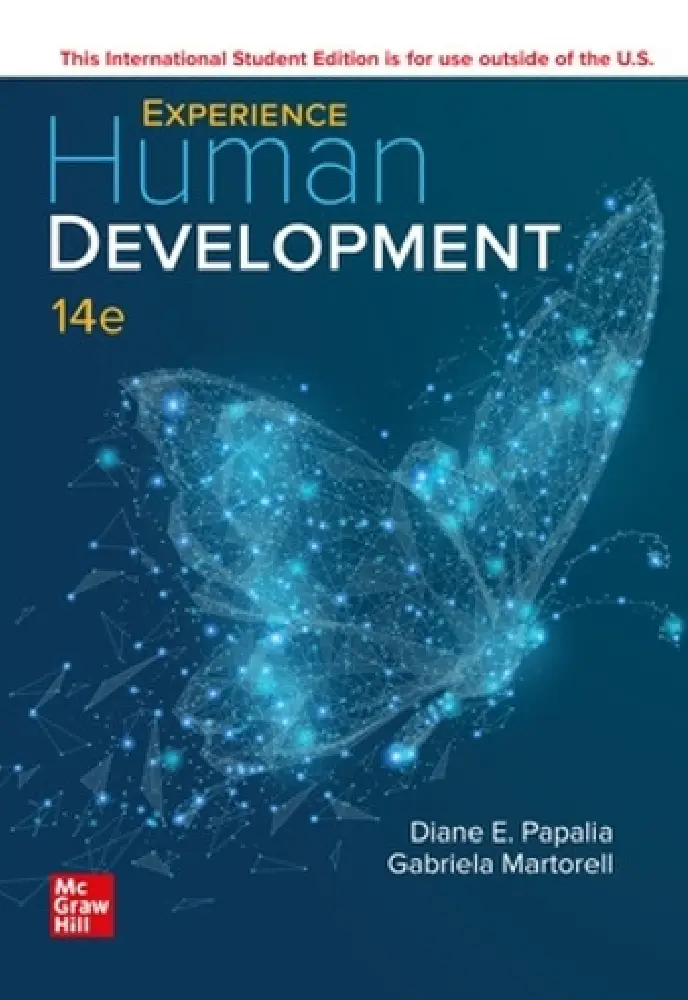
ISE Experience Human Development is a widely used and engaging textbook that provides a comprehensive overview of human growth and development across the entire lifespan. Designed for students in psychology, education, nursing, and related fields, the book presents complex developmental concepts in a clear, structured, and accessible manner. It integrates classical theories with contemporary research, helping readers understand how individuals change physically, cognitively, and socially from infancy through late adulthood.
The text begins by introducing the foundational principles of human development, including the interaction between biological, psychological, and environmental factors. It explores key theoretical perspectives such as psychodynamic, cognitive, behavioral, and sociocultural approaches. Influential theorists like Sigmund Freud, Jean Piaget, and Erik Erikson are discussed, providing a historical framework for understanding how developmental psychology has evolved over time. At the same time, the book incorporates modern viewpoints, ensuring that readers gain a balanced and up-to-date perspective.
One of the major strengths of ISE Experience Human Development is its lifespan approach. Rather than focusing on a single stage, the book systematically examines development from prenatal life to old age. It begins with prenatal development, highlighting genetic influences, environmental risks, and the importance of maternal health. Infancy and early childhood are then explored in detail, with emphasis on motor skills, language acquisition, attachment, and early emotional development.
As the book progresses, it addresses middle childhood and adolescence, focusing on key transitions such as schooling, peer relationships, and identity formation. Adolescence is presented as a critical period of both opportunity and vulnerability, where individuals undergo significant physical changes due to puberty, as well as cognitive and emotional growth. The text explains how adolescents develop abstract thinking abilities and begin to form a sense of identity and independence.
In adulthood, the book examines the challenges and milestones associated with early, middle, and late stages of life. Topics such as career development, relationships, parenting, and aging are discussed in depth. The text also highlights how adults continue to grow and adapt, challenging the misconception that development stops after adolescence. Issues like cognitive decline, retirement, and coping with loss are addressed with sensitivity and scientific insight.
Another important feature of the book is its focus on cultural and individual diversity. It recognizes that development does not occur in isolation but is shaped by cultural, social, and economic contexts. By including cross-cultural research and real-world examples, the book helps readers appreciate the variability in human experiences and avoid overly generalized conclusions.
The integration of research and practical application is a key highlight. The book presents scientific findings in a way that is relevant to everyday life, enabling readers to apply developmental concepts to real-world situations. Case studies, examples, and interactive elements enhance understanding and encourage critical thinking.
Additionally, ISE Experience Human Development incorporates modern digital learning tools and pedagogical features. These include visual aids, summaries, review questions, and online resources that support active learning. The structured layout makes it easy for students to follow and retain information, while instructors benefit from its organized and comprehensive coverage.
Overall, ISE Experience Human Development is a valuable resource for anyone seeking to understand the complexities of human growth and change. Its combination of theoretical depth, practical relevance, and engaging presentation makes it an essential textbook for students and professionals alike. By emphasizing the lifelong nature of development and the interplay of various influences, the book provides a holistic understanding of what it means to grow and develop as a human being.



Reviews
There are no reviews yet