
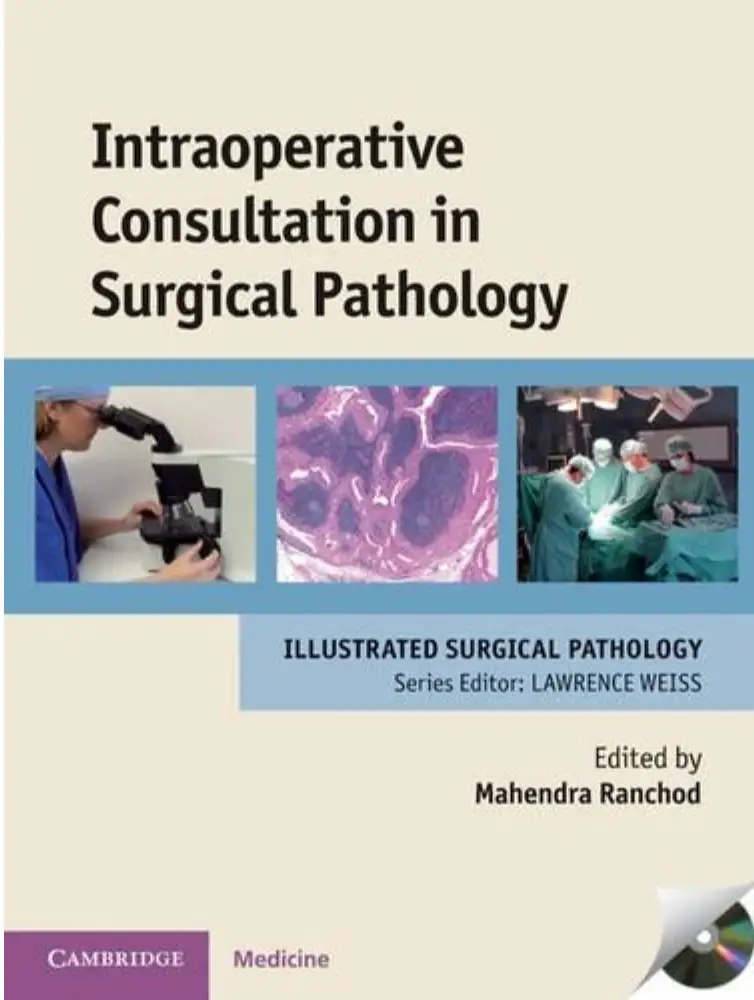
Intraoperative Consultation in Surgical Pathology (Cambridge Illustrated Surgical Pathology)
Intraoperative consultation — often referred to as frozen section diagnosis — is a critical process in surgical pathology where rapid pathological assessment is provided during an operation to guide immediate clinical decisions. Intraoperative Consultation in Surgical Pathology, part of the Cambridge Illustrated Surgical Pathology series, serves as a focused, practical guide tailored for pathologists, pathology trainees, and surgical teams. It bridges the gap between surgical needs and pathological interpretation by combining clear explanations with high‑quality illustrations and decision algorithms.
Purpose and Clinical Importance
The primary objective of intraoperative consultation is to deliver rapid, accurate diagnostic information to surgeons while the patient is still in the operating room. Common clinical scenarios include:
- Assessing tumor margins to determine whether complete excision has been achieved.
- Establishing tumor type or grade to guide the extent of resection.
- Identifying lymph node involvement.
- Determining benign vs. malignant lesions in ambiguous cases.
- Evaluating transplant biopsies to detect rejection or other pathology.
Scope and Organization of the Book
- Fundamental Principles and Techniques:
This section revisits the technical aspects of frozen section — from tissue freezing and cutting to staining and slide preparation. It explains artifacts introduced by freezing and how to distinguish them from true pathology. Practical advice on optimizing specimen handling and communication with the surgical team helps ensure diagnostic accuracy. - Systematic Diagnostic Algorithms:
A major strength of the book is its algorithmic approach. Rather than listing lists of diagnoses, it presents decision trees and step‑by‑step logic for common clinical problems, such as “How to approach a mass in the breast” or “What to do if the lesion appears necrotic.” This mimics real‑world reasoning and enhances rapid decision‑making. - Organ‑Based Consultations with Illustrations:
The core of the text is devoted to organ‑specific frozen section scenarios — breast, skin, soft tissue, gastrointestinal tract, liver, gynecologic organs, head and neck, bone, lung, kidney, prostate, and lymphoid tissues. Each chapter includes:- Clinical context: When intraoperative input is clinically indicated.
- Gross evaluation cues: What surgeons should note when submitting specimens.
- Histopathologic features: Key microscopic findings that guide diagnosis.
- Pitfalls and potential artifacts: Especially relevant in frozen sections.
- High‑quality illustrations: Full‑color photomicrographs and annotated diagrams highlighting critical features.
- Diagnostic Pitfalls and Difficult Cases:
Frozen section diagnosis is susceptible to freezing artifacts, sampling errors, and interpretive challenges. The book discusses common pitfalls — e.g., distinguishing scar tissue from invasive carcinoma, identifying inflammation vs. dysplasia, or differentiating reactive lymphoid hyperplasia from lymphoma. These sections aim to sharpen diagnostic judgment and reduce avoidable errors. - Role of Ancillary Studies:
While frozen sections rely mainly on morphology, ancillary techniques like rapid cytokeratin stains or touch preps may be used in select situations. The text describes when these adjuncts are helpful and how to integrate them into rapid decision‑making without compromising turnaround time. - Communication and Reporting:
Clear communication between pathologist and surgeon is essential. The book emphasizes concise, standardized frozen section reporting — including how to express diagnostic uncertainty and when to recommend deferring final judgment to permanent sections.
Educational Value
This book is highly practical in orientation and richly illustrated, making it suitable for pathology residents, fellows, and practicing pathologists. Its strengths include:
- Realistic clinical scenarios mimicking operative demands.
- Decision‑making frameworks that reflect actual thought processes in the lab.
- Visual emphasis on frozen section appearances and common artifacts.
- Integration of surgical, clinical, and pathological perspectives.
Conclusion
Intraoperative Consultation in Surgical Pathology is a focused, clinically relevant guide that combines technical detail with visual clarity and practical algorithms. It underscores that frozen section diagnosis is not just about rapid tissue interpretation — it’s about making high‑stakes decisions in dialogue with surgeons to optimize patient care. Whether for training or reference, the book equips pathologists with tools to perform intraoperative consultations with confidence, precision, and clinical relevance.



Reviews
There are no reviews yet