
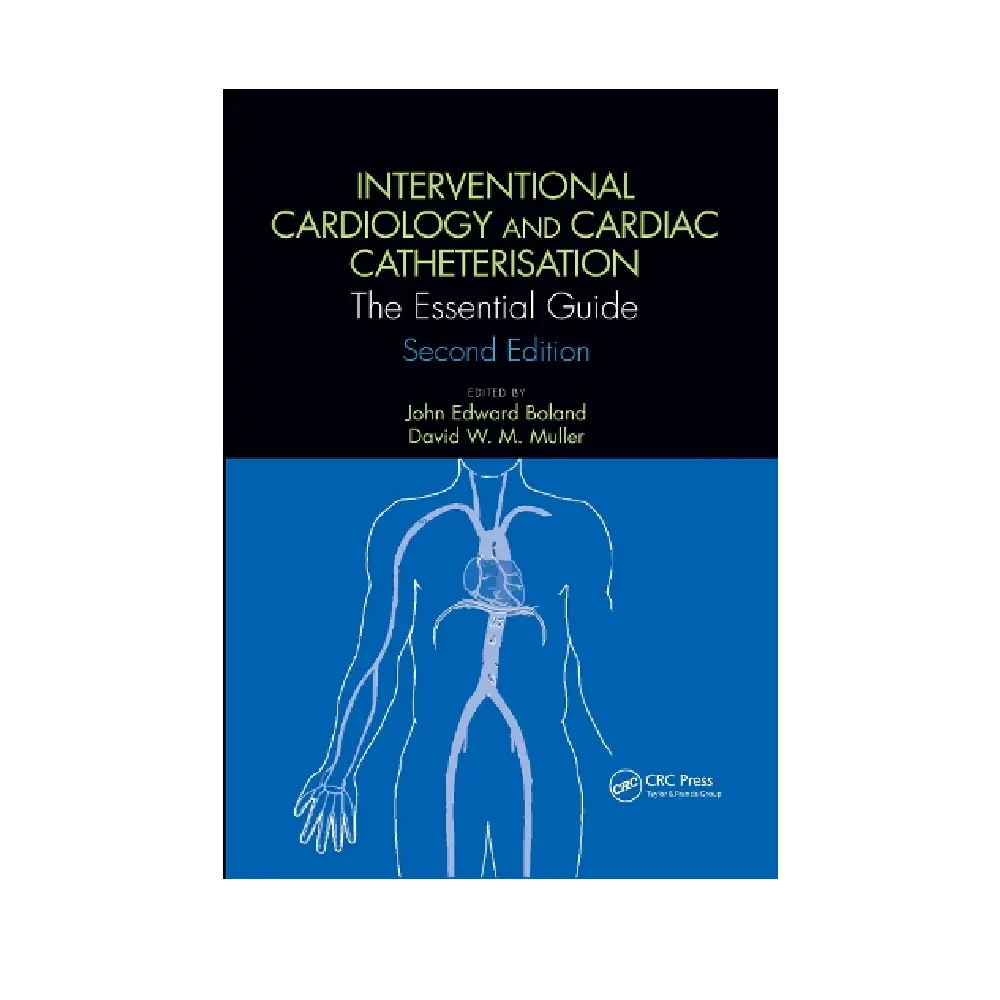
Interventional Cardiology and Cardiac Catheterization
Interventional cardiology is a subspecialty of cardiology that focuses on diagnosing and treating cardiovascular diseases using minimally invasive catheter-based techniques. This field has transformed the management of coronary artery disease, structural heart disease, and other cardiovascular disorders, providing alternatives to open-heart surgery and significantly improving patient outcomes. Central to interventional cardiology is cardiac catheterization, a procedure that allows direct access to the heart and vascular system for both diagnostic assessment and therapeutic interventions.
Cardiac Catheterization: Principles and Techniques
Cardiac catheterization involves the insertion of a thin, flexible tube called a catheter into a blood vessel—typically the radial or femoral artery—and advancing it to the heart under fluoroscopic guidance. Diagnostic catheterization allows measurement of intracardiac pressures, assessment of chamber function, and angiographic visualization of coronary arteries, cardiac valves, and congenital abnormalities. It provides crucial information on the severity of coronary artery disease, valvular disorders, and hemodynamic compromise, guiding clinical decision-making.
Coronary angiography is a key component of cardiac catheterization. Contrast dye is injected through the catheter, and X-ray imaging produces detailed images of coronary arteries, identifying stenoses, occlusions, or aneurysms. Modern imaging techniques, including digital subtraction angiography and intravascular imaging modalities such as intravascular ultrasound (IVUS) and optical coherence tomography (OCT), enhance the precision of lesion assessment, facilitating targeted interventions.
Therapeutic Interventions in Interventional Cardiology
Interventional cardiology encompasses a wide range of percutaneous procedures designed to restore or improve blood flow, repair structural abnormalities, and treat arrhythmias. Percutaneous coronary intervention (PCI), commonly referred to as angioplasty, involves the dilation of stenotic coronary arteries using a balloon catheter, often followed by stent implantation to maintain vessel patency. Drug-eluting stents (DES) have largely replaced bare-metal stents due to their ability to reduce restenosis and improve long-term outcomes.
Advanced techniques beyond conventional stenting are increasingly important for complex lesions. These include rotational and orbital atherectomy, intravascular lithotripsy, and drug-coated balloons, particularly for heavily calcified or small-vessel disease. For chronic total occlusions, operators employ specialized guidewires, microcatheters, and dual injection techniques to safely traverse and recanalize the occluded segment. Structural interventions, such as transcatheter aortic valve replacement (TAVR), mitral valve repair, and closure of septal defects, further expand the scope of interventional cardiology.
Imaging and Guidance
Imaging plays a critical role in interventional cardiology. Fluoroscopy provides real-time visualization of catheters and devices within the cardiovascular system, while adjunctive intravascular imaging, such as IVUS and OCT, allows detailed evaluation of vessel walls, plaque morphology, and stent apposition. Echocardiography, particularly transesophageal echocardiography (TEE), is used to guide structural interventions and assess immediate procedural outcomes. Imaging-guided interventions improve accuracy, reduce complications, and optimize long-term results.
Periprocedural Management and Safety
Patient safety is a paramount concern in cardiac catheterization. Pre-procedural assessment includes evaluation of vascular access, renal function, coagulation status, and allergy history. Sedation and local anesthesia are administered to ensure patient comfort, with continuous monitoring of hemodynamics and oxygenation. Complications, though rare, may include vascular injury, bleeding, arrhythmias, myocardial infarction, or contrast-induced nephropathy. Prompt recognition and management of these complications are essential, emphasizing the importance of skilled operators and a multidisciplinary team approach.
Post-Procedure Care and Follow-Up
After cardiac catheterization or interventional procedures, careful monitoring of vascular access sites, hemodynamics, and cardiac rhythm is essential. Patients typically undergo a period of observation to detect complications such as hematoma, pseudoaneurysm, or retroperitoneal bleeding. Post-procedure pharmacologic therapy, including antiplatelet or anticoagulant agents, is tailored to the type of intervention and patient-specific risk factors. Follow-up imaging or functional assessment may be indicated to evaluate procedural success and guide long-term management.
Training and Competency
Interventional cardiology demands high levels of technical skill, clinical judgment, and knowledge of device technology. Training programs emphasize hands-on experience under supervision, mastery of catheterization laboratory techniques, and familiarity with the latest devices and imaging modalities. Continuous professional development is critical, as technological advances and new procedural techniques rapidly expand the scope of the specialty.
Future Directions
The future of interventional cardiology lies in the development of minimally invasive, precision-guided therapies. Innovations such as bioresorbable scaffolds, advanced imaging integration, robotic-assisted interventions, and novel drug-delivery systems promise to enhance safety and efficacy. Personalized medicine approaches, combining patient-specific anatomical and physiological data, will allow tailored interventions that improve outcomes while minimizing risk.
Conclusion
Interventional cardiology and cardiac catheterization are at the forefront of modern cardiovascular medicine, offering safe, effective, and less invasive alternatives to traditional surgery. With advances in imaging, device technology, and procedural techniques, interventional cardiologists can treat a wide spectrum of coronary and structural heart diseases. Mastery of catheter-based skills, adherence to safety protocols, and ongoing learning are essential for optimizing patient outcomes and expanding the capabilities of minimally invasive cardiac care. This field continues to evolve rapidly, reflecting the dynamic intersection of technology, clinical expertise, and patient-centered care.

Reviews
There are no reviews yet