
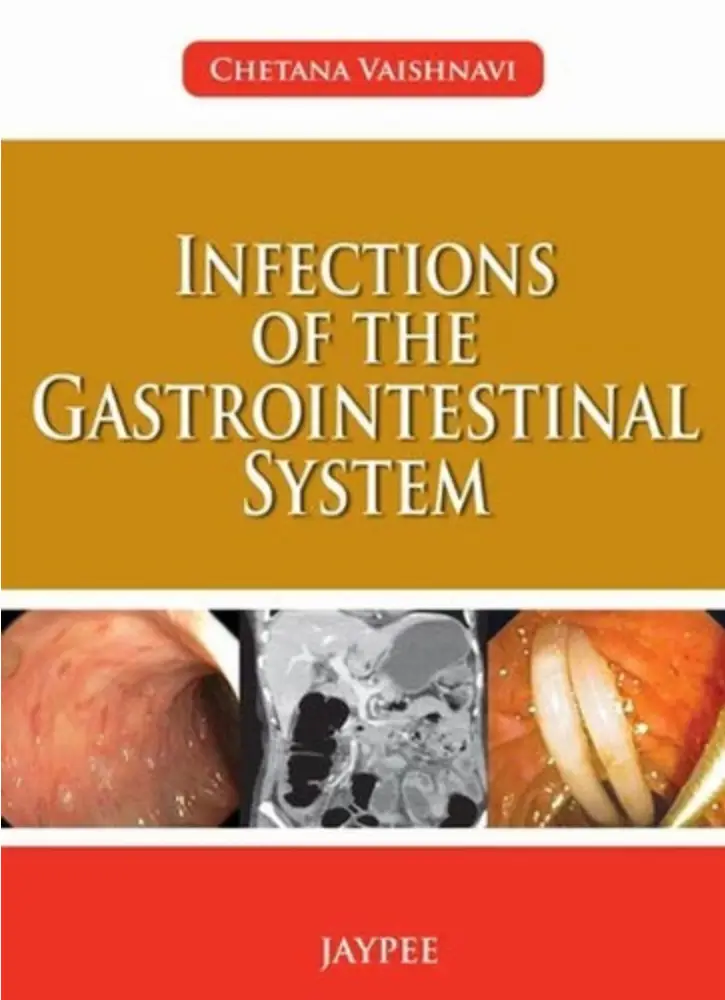
Infections of the Gastrointestinal System
Gastrointestinal (GI) infections are among the most common causes of morbidity worldwide. They result from a variety of pathogens, including bacteria, viruses, parasites, and fungi, and can affect any part of the digestive tract. These infections can range from mild, self-limiting gastroenteritis to severe, life-threatening conditions such as dysentery, cholera, or invasive enteric fevers.
Etiology
- Bacterial Infections:
Common bacterial pathogens include Escherichia coli, Salmonella, Shigella, Campylobacter, Clostridioides difficile, and Vibrio cholerae. These bacteria typically cause diarrhea through either toxin-mediated mechanisms (e.g., cholera toxin) or direct invasion of intestinal mucosa (e.g., Shigella). Risk factors include poor sanitation, contaminated food or water, and antibiotic use, which can predispose to C. difficile infection. - Viral Infections:
Viruses such as rotavirus, norovirus, adenovirus, and astrovirus are common causes of gastroenteritis, particularly in children. Viral infections usually lead to watery diarrhea, vomiting, and low-grade fever. Rotavirus remains a major cause of severe diarrhea in infants globally, although widespread vaccination has significantly reduced incidence. - Parasitic Infections:
Parasites including Giardia lamblia, Entamoeba histolytica, and Cryptosporidium can cause chronic diarrhea and malabsorption. E. histolytica is notable for causing amoebic dysentery and extraintestinal abscesses, especially in endemic areas. Parasitic infections are often transmitted via contaminated water and poor hygiene. - Fungal Infections:
Fungal involvement in the GI tract is uncommon but may occur in immunocompromised patients. Candida species can cause esophagitis or systemic infection in severely ill individuals.
Pathogenesis
The mechanisms by which pathogens cause gastrointestinal infections include:
- Toxin Production: Enterotoxins disrupt electrolyte and water balance, leading to profuse watery diarrhea (V. cholerae, enterotoxigenic E. coli).
- Mucosal Invasion: Some bacteria and parasites invade intestinal mucosa, triggering inflammation, ulceration, and bloody diarrhea (Shigella, Salmonella, E. histolytica).
- Immune Evasion: Viruses often replicate within enterocytes, causing cell death and malabsorption without significant inflammatory response (rotavirus).
Clinical Features
The presentation of GI infections varies according to the pathogen:
- Acute Diarrhea: Frequent, loose stools are common to most infections.
- Vomiting and Nausea: Particularly prominent in viral gastroenteritis.
- Fever: Common in invasive bacterial infections.
- Abdominal Pain and Cramping: Due to inflammation or bowel motility changes.
- Dehydration: Can be severe, especially in children and elderly patients, and is a leading cause of mortality in resource-limited settings.
Chronic or persistent diarrhea, weight loss, and malabsorption may indicate parasitic infection or immune compromise.
Diagnosis
Diagnosis is primarily clinical, supported by laboratory investigations:
- Stool Analysis: Microscopy for ova and parasites, culture for bacteria, and antigen detection for viruses.
- Molecular Tests: PCR can identify bacterial and viral pathogens with high sensitivity.
- Serology: Useful in systemic infections like typhoid fever.
- Imaging: Occasionally required for complications such as abscesses in amoebiasis.
Treatment
Management depends on the etiology and severity:
- Supportive Care: Oral or intravenous rehydration is the cornerstone of treatment for all GI infections.
- Antimicrobial Therapy: Indicated for specific bacterial infections (Shigella, invasive Salmonella, severe C. difficile). Antibiotics are generally avoided in viral gastroenteritis.
- Antiparasitic Drugs: Metronidazole or tinidazole for amoebiasis, and nitazoxanide for giardiasis or cryptosporidiosis.
- Nutritional Support: Maintaining caloric intake and zinc supplementation in children is beneficial.
Prevention
Prevention strategies include proper sanitation, safe water supply, hand hygiene, food safety practices, and vaccination where applicable (e.g., rotavirus, cholera). Public health measures targeting clean water and sewage treatment significantly reduce the burden of GI infections globally.
Conclusion:
Gastrointestinal infections encompass a broad spectrum of diseases caused by diverse pathogens. While most are self-limiting, severe infections can lead to significant morbidity and mortality. Early recognition, supportive care, and targeted therapy are crucial for optimal outcomes, alongside preventive measures to reduce incidence and spread.



Reviews
There are no reviews yet