
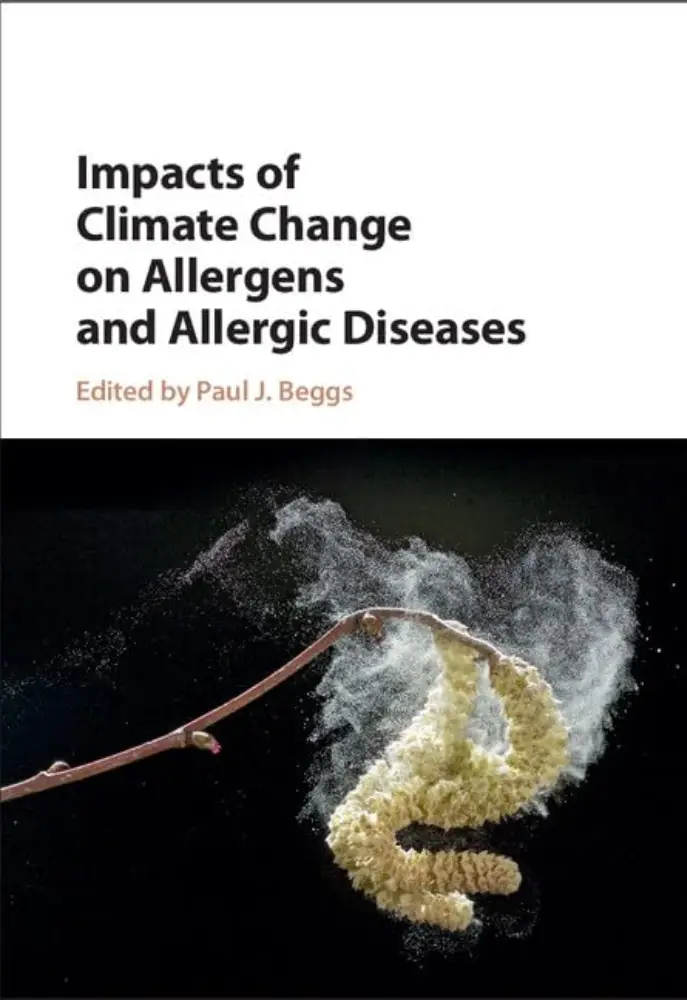


Impacts of Climate Change on Allergens is an increasingly important topic in environmental health and medicine, as global climate shifts are significantly influencing the production, distribution, and potency of allergens. These changes are contributing to a rise in allergic diseases such as asthma, allergic rhinitis (hay fever), and atopic dermatitis, affecting millions of people worldwide.
One of the most direct effects of climate change on allergens is the increase in atmospheric carbon dioxide (CO₂) levels. Higher CO₂ concentrations stimulate plant growth and enhance pollen production. Many allergenic plants, such as grasses, ragweed, and trees, respond to elevated CO₂ by producing more pollen, and in some cases, pollen that is more allergenic. This means that individuals sensitive to pollen may experience more severe symptoms and longer allergy seasons.
Rising global temperatures also play a crucial role. Warmer temperatures lead to earlier onset of spring and delayed onset of winter, effectively extending the pollen season. For example, trees may begin pollinating weeks earlier than usual, while weeds like ragweed may continue producing pollen well into the autumn months. This prolonged exposure increases the duration and intensity of allergic reactions, particularly in individuals with respiratory conditions.
Climate change also influences the geographic distribution of allergenic plants. As temperatures rise, many plant species are expanding their range into previously cooler regions. This exposes populations in these areas to new allergens to which they may not have been previously sensitized. For instance, ragweed, a highly allergenic plant, has been spreading into parts of Europe and higher altitudes due to changing climatic conditions.
Extreme weather events, which are becoming more frequent due to climate change, further impact allergen levels. Heavy rainfall and flooding can promote the growth of mold and fungi, both of which are common indoor and outdoor allergens. Increased humidity also creates favorable conditions for dust mites, another major trigger for allergic diseases. On the other hand, drought conditions can increase airborne dust and particulate matter, which can carry allergens and irritate the respiratory system.
Air pollution is closely linked with climate change and has a synergistic effect on allergens. Pollutants such as ozone, nitrogen dioxide, and particulate matter can interact with pollen grains, altering their structure and making them more potent. These pollutants can also damage the respiratory lining, making individuals more susceptible to allergens. The combined effect of pollution and increased allergen exposure can significantly worsen symptoms in people with asthma and other allergic conditions.
Another important aspect is the phenomenon known as “thunderstorm asthma.” During certain thunderstorms, pollen grains can absorb moisture and rupture into smaller particles that are easily inhaled deep into the lungs. Climate change may increase the frequency and intensity of such events, leading to sudden and severe asthma outbreaks in affected populations.
The health impacts of these changes are substantial. Increased allergen exposure can lead to higher rates of hospital admissions, reduced quality of life, and increased healthcare costs. Children, the elderly, and individuals with pre-existing respiratory conditions are particularly vulnerable. Additionally, the burden of allergic diseases may disproportionately affect urban populations, where pollution levels are higher.
Addressing the impacts of climate change on allergens requires a multifaceted approach. Public health strategies include monitoring pollen levels, improving air quality, and raising awareness about preventive measures. Individuals can reduce exposure by using air purifiers, keeping windows closed during high pollen periods, and following medical advice for allergy management.
In conclusion, climate change is significantly altering the behavior and impact of allergens, leading to increased prevalence and severity of allergic diseases. Understanding these changes is essential for developing effective strategies to protect public health and adapt to the evolving environmental conditions.







Reviews
There are no reviews yet