
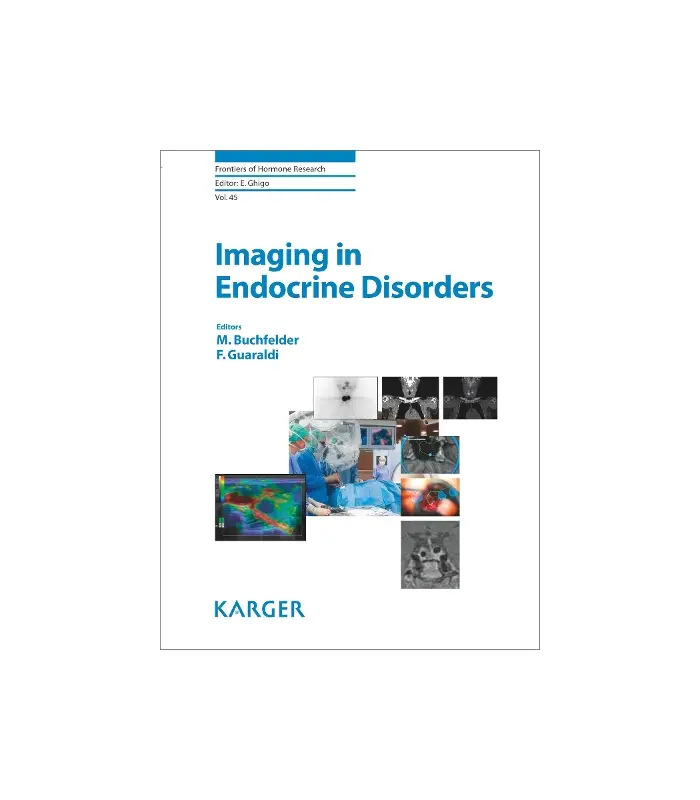


Imaging plays a vital role in the diagnosis, localization, and management of endocrine disorders. Because endocrine diseases often involve structural abnormalities of hormone-secreting glands or target organs, imaging techniques help clinicians visualize anatomical changes, identify functional alterations, and guide therapeutic decisions. Advances in radiological and nuclear medicine techniques have significantly improved the accuracy of endocrine imaging, enabling earlier diagnosis and more precise treatment planning.
The choice of imaging modality in endocrine disorders depends on the gland involved, the suspected pathology, and the clinical context. Commonly used techniques include ultrasonography, computed tomography (CT), magnetic resonance imaging (MRI), and nuclear medicine imaging such as scintigraphy and positron emission tomography (PET).
Ultrasonography is often the first-line imaging modality for many endocrine conditions due to its wide availability, low cost, and absence of ionizing radiation. It is particularly valuable in the evaluation of thyroid and parathyroid disorders. Thyroid ultrasound allows detailed assessment of gland size, echotexture, and the presence of nodules. Features such as hypoechogenicity, microcalcifications, irregular margins, and increased vascularity help stratify the risk of malignancy. In parathyroid disease, ultrasonography can identify enlarged parathyroid glands in patients with primary hyperparathyroidism and is frequently combined with other imaging techniques for preoperative localization.
Computed tomography provides excellent spatial resolution and is useful in evaluating deep-seated endocrine organs. CT is commonly used in the assessment of adrenal disorders, including adrenal adenomas, hyperplasia, and malignancies. Characteristic features such as size, attenuation values, and contrast washout patterns help differentiate benign from malignant adrenal lesions. CT is also valuable in detecting ectopic hormone-secreting tumors and in staging endocrine malignancies. However, its use is limited by exposure to ionizing radiation and the potential risks associated with iodinated contrast agents.
Magnetic resonance imaging is a cornerstone in the imaging of pituitary and hypothalamic disorders. MRI offers superior soft tissue contrast and multiplanar imaging capabilities without radiation exposure. It is the modality of choice for evaluating pituitary adenomas, craniopharyngiomas, and other sellar and parasellar lesions. Dynamic contrast-enhanced MRI improves the detection of microadenomas, particularly in patients with Cushing disease or acromegaly. MRI is also useful in assessing adrenal, pancreatic, and gonadal endocrine tumors, as well as in evaluating complications such as hemorrhage or invasion of adjacent structures.
Nuclear medicine imaging provides functional information that complements anatomical imaging. Thyroid scintigraphy using radioactive iodine or technetium-99m is essential in the evaluation of hyperthyroidism. It helps differentiate causes such as Graves disease, toxic multinodular goiter, and autonomous thyroid nodules by demonstrating patterns of tracer uptake. Scintigraphy is also used in the detection of functioning thyroid tissue in cases of ectopic thyroid or thyroid cancer metastases.
In parathyroid disorders, technetium-99m sestamibi scintigraphy is widely used for localizing hyperfunctioning parathyroid adenomas. When combined with single-photon emission computed tomography (SPECT) or SPECT/CT, localization accuracy improves significantly, facilitating minimally invasive surgical approaches. Similarly, nuclear imaging plays a crucial role in adrenal and neuroendocrine tumors. Metaiodobenzylguanidine (MIBG) scintigraphy is used in the evaluation of pheochromocytomas and paragangliomas, while somatostatin receptor imaging is essential for detecting neuroendocrine tumors.
Positron emission tomography, particularly when combined with CT or MRI, has expanded the scope of endocrine imaging. Fluorodeoxyglucose (FDG) PET is useful in assessing aggressive or poorly differentiated endocrine malignancies. More specific tracers, such as gallium-68-labeled somatostatin analogs, have revolutionized the imaging of neuroendocrine tumors by allowing highly sensitive detection and staging. PET imaging also assists in treatment planning and monitoring response to therapy.
Imaging also plays an important role in assessing the complications of endocrine disorders. For example, dual-energy X-ray absorptiometry (DEXA) is used to evaluate bone mineral density in patients with osteoporosis related to endocrine conditions such as hyperparathyroidism, Cushing syndrome, or hypogonadism. Radiological imaging may also detect vascular, renal, or musculoskeletal complications associated with long-standing hormonal imbalances.
In conclusion, imaging is an indispensable component of the evaluation and management of endocrine disorders. By providing detailed anatomical and functional information, imaging modalities support accurate diagnosis, guide interventions, and improve patient outcomes. The integration of advanced imaging techniques with clinical and biochemical data continues to enhance the understanding and treatment of endocrine diseases.








Reviews
There are no reviews yet