
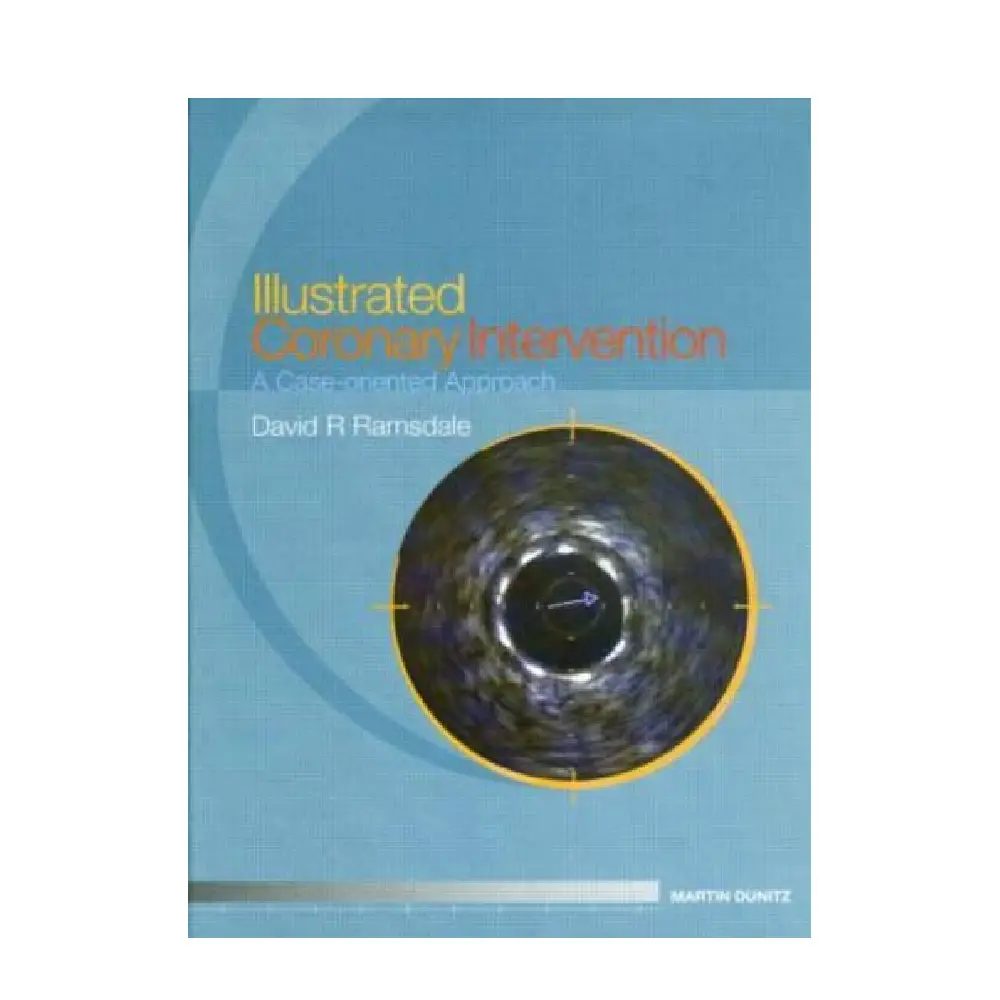

Illustrated Coronary Intervention
Illustrated Coronary Intervention refers to a comprehensive, image-based approach to understanding and performing percutaneous coronary intervention (PCI). Through detailed diagrams, angiographic images, intravascular imaging, and step-by-step procedural visuals, illustrated guides play a crucial role in training cardiologists and enhancing procedural accuracy. Coronary intervention is a minimally invasive technique used to treat coronary artery disease (CAD), which occurs when coronary arteries become narrowed or blocked due to atherosclerotic plaque.
Overview of Coronary Intervention
Percutaneous coronary intervention involves restoring blood flow to the myocardium by dilating narrowed coronary arteries, typically using balloon angioplasty and stent implantation. The procedure is performed via arterial access—most commonly radial or femoral—and guided by fluoroscopic imaging.
Illustrated resources provide visual depictions of coronary anatomy, lesion morphology, catheter selection, wire manipulation, balloon deployment, and stent optimization. These visuals enhance comprehension, especially in complex anatomical situations.
Coronary Anatomy and Lesion Assessment
A foundational component of illustrated coronary intervention is detailed coronary anatomy. The right coronary artery (RCA), left main coronary artery (LMCA), left anterior descending artery (LAD), and left circumflex artery (LCX) are clearly depicted with their branches.
Lesions are classified based on:
-
Location (proximal, mid, distal)
-
Morphology (calcified, thrombotic, bifurcation)
-
Severity (percentage stenosis)
-
Complexity (chronic total occlusion, tortuosity)
Illustrations often include angiographic projections that help operators choose optimal imaging angles for accurate lesion assessment.
Equipment Used in PCI
Illustrated manuals detail the tools used in intervention:
-
Guide Catheters: Provide support and access to coronary ostia.
-
Guidewires: Navigate through stenotic lesions.
-
Balloon Catheters: Pre-dilate lesions.
-
Stents: Drug-eluting stents (DES) are most commonly used to scaffold arteries.
-
Adjunctive Devices: Atherectomy systems, thrombectomy devices, and imaging catheters.
Stepwise illustrations show wire crossing techniques, balloon inflation pressures, and stent positioning.
Procedural Steps
An illustrated PCI typically includes:
-
Vascular Access: Radial or femoral artery puncture.
-
Diagnostic Angiography: Visualizing coronary anatomy.
-
Lesion Crossing: Guidewire passage across stenosis.
-
Pre-Dilation: Balloon inflation to prepare lesion.
-
Stent Deployment: Placement and expansion.
-
Post-Dilation: Optimization using non-compliant balloons.
-
Final Angiographic Assessment: Ensuring TIMI 3 flow and absence of complications.
Diagrams often compare pre- and post-intervention images to demonstrate restoration of luminal diameter.
Intravascular Imaging
Modern illustrated coronary intervention texts emphasize advanced imaging modalities:
-
Intravascular Ultrasound (IVUS)
-
Optical Coherence Tomography (OCT)
These techniques provide cross-sectional arterial views, enabling accurate stent sizing and expansion assessment. High-resolution images improve understanding of plaque characteristics and stent apposition.
Special Lesion Subsets
Illustrated guides provide detailed strategies for:
-
Bifurcation Lesions: Provisional stenting, culotte, crush techniques.
-
Left Main Disease: Careful stent sizing and imaging guidance.
-
Chronic Total Occlusions (CTO): Antegrade and retrograde techniques.
-
Calcified Lesions: Rotational or orbital atherectomy.
Step-by-step visual algorithms assist operators in decision-making.
Complications and Their Management
Common PCI complications include:
-
Coronary dissection
-
Perforation
-
No-reflow phenomenon
-
Acute stent thrombosis
Illustrations help recognize angiographic signs of complications and guide immediate management strategies such as additional stenting or use of covered stents.
Benefits of an Illustrated Approach
-
Enhances procedural learning for trainees.
-
Improves understanding of spatial coronary anatomy.
-
Provides visual clarity for complex interventions.
-
Serves as a practical reference in catheterization laboratories.
Visual learning is especially valuable in interventional cardiology, where three-dimensional anatomical relationships must be interpreted through two-dimensional fluoroscopic images.
Educational Importance
Illustrated coronary intervention textbooks and atlases are widely used in cardiology fellowship programs. They bridge the gap between theoretical knowledge and real-world application. High-quality angiographic images, annotated diagrams, and clinical case studies enhance comprehension and procedural confidence.
Conclusion
Illustrated Coronary Intervention represents a powerful educational and clinical tool in modern cardiology. By combining detailed imagery with evidence-based procedural guidance, it improves operator skills, enhances patient safety, and optimizes outcomes in coronary artery disease treatment. As technology advances, integration of digital 3D imaging and simulation will further enrich illustrated learning in interventional cardiology.




Reviews
There are no reviews yet