

Introduction
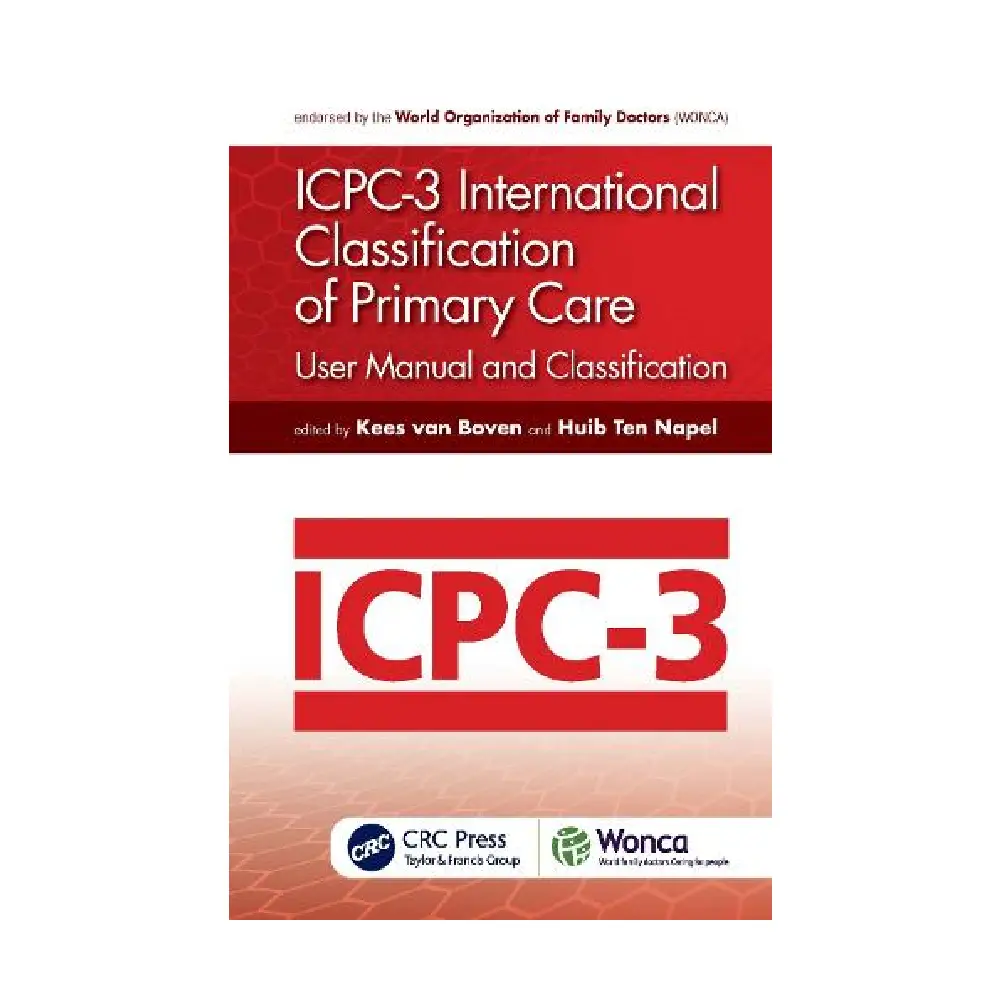
The ICPC-3 International Classification of Primary Care: User Manual and Classification is the definitive third edition of the International Classification of Primary Care (ICPC), published under the auspices of the World Organization of Family Doctors (WONCA) and the WONCA International Classification Committee (WICC). It serves as an international standard for structuring, recording, and analysing clinical information in primary care encounters globally.
Primary care – the first point of contact in healthcare systems – sees an enormous variety of patient problems, ranging from undifferentiated symptoms and common complaints to complex chronic conditions. The ICPC framework helps clinicians consistently code this diverse information, supporting clinical practice, research, health system planning, and policy evaluation.
Purpose and Scope
The ICPC-3 Manual and Classification is designed to be used by family physicians, general practitioners, nurses, primary care researchers, health information managers, and policymakers. Its overarching purpose is to provide a standardized, internationally accepted classification system that captures the full breadth of clinical encounters seen in primary care, embracing:
-
Reasons for encounter (RFE) – what brings a patient to seek care.
-
Diagnoses and health problems identified during consultations.
-
Functioning and participation related to health, reflecting the impact of conditions on activities and life roles.
-
Processes of care such as advice, interventions, and follow-ups.
This comprehensive structure allows primary care data to be categorized in a way that is clinically meaningful and reflective of real-world patient encounters rather than restricted to disease diagnosis alone.
Evolution of the Classification
The ICPC was first introduced in 1987 to address the limitations of other medical classifications (like ICD) in capturing the unique features of primary care practice. Earlier editions (ICPC-1 and ICPC-2) helped standardize data on patient symptoms, diagnoses, and processes of care, but were limited in their capacity to capture the full context and person-centered aspects of clinical encounters.
The third edition, ICPC-3, represents a substantial evolution. Endorsed by WONCA in 2021, it broadens the classification beyond traditional biomedical categories to include rich information about patient functioning, environmental influences, and personal preferences. This expansion reflects a shift toward person-centered care and aligns with contemporary models of health that value holistic, multidisciplinary insights in primary care.
Structure and Content
1. Framework and Principles
ICPC-3 is both a classification and a coding manual. It provides guidance on how to:
-
Identify and select appropriate codes for clinical data.
-
Organize data into a structured format.
-
Apply rules consistently across different primary care settings.
The manual’s user guidance includes coding rules, examples, and instructions for handling common clinical scenarios.
2. Chapters and Domains
The ICPC-3 is organized into chapters based on body systems and care categories. A notable addition in ICPC-3 is a chapter dedicated to general examinations, routine visits, prevention, and family planning, offering far more granularity than earlier editions. Where ICPC-2 offered only a single class for preventive visits, ICPC-3 now provides 35 distinct classes, enabling better capture of preventive care encounters.
Each chapter includes:
-
A list of standardized codes for symptoms, signs, diagnoses, and processes.
-
Function-related rubrics that allow recording of limitations in activities, participation restrictions, and environmental factors.
This structure makes the classification both comprehensive and usable in diverse primary care environments.
Practical Application
Clinical Documentation
ICPC-3 enables clinicians to systematically record patient encounters in electronic health records (EHRs) with consistency. Rather than merely logging diagnoses, clinicians can document the reason for encounter and care processes, providing insights into patient journeys over time. This supports better continuity of care and facilitates quality improvement.
Person-Centered Care
A major innovation in ICPC-3 is its ability to record functioning, including activities and participation. This aligns with broader health concepts outlined in frameworks like the WHO’s International Classification of Functioning, Disability and Health (ICF). Capturing these elements enriches patient profiles and supports health planning that is sensitive to patient needs beyond pathology.
Data Analysis and Policy
Standardized coding enhances data comparability across practices and countries, facilitating research, health system evaluation, and policy development. Governments and health organizations can use ICPC-3 data to identify trends, allocate resources effectively, and monitor the impact of interventions on population health.
Interoperability and Integration
ICPC-3 is designed to work alongside other international terminologies and classifications such as:
-
ICD-10 and ICD-11 (International Classification of Diseases), and
-
SNOMED CT (clinical terminology),
ensuring that primary care data can be linked to wider health information systems.
Conclusion
The ICPC-3 International Classification of Primary Care: User Manual and Classification is a vital, modern resource for documenting and understanding clinical encounters in primary care. By emphasizing person-centered data, detailed coding structures, and practical usability, it empowers healthcare providers, researchers, and policymakers to elevate the quality and effectiveness of primary healthcare globally.







Reviews
There are no reviews yet