
Hypertension: Diagnosis and Treatment
Hypertension, commonly known as high blood pressure, is one of the most prevalent chronic medical conditions worldwide and a major risk factor for cardiovascular disease, stroke, kidney failure, and premature mortality. It is often called the “silent killer” because it may remain asymptomatic for years while causing progressive damage to vital organs such as the heart, brain, kidneys, and blood vessels.
Definition and Classification
Blood pressure (BP) is measured in millimeters of mercury (mmHg) and expressed as systolic pressure over diastolic pressure (e.g., 120/80 mmHg). According to international guidelines:
-
Normal BP: <120/80 mmHg
-
Elevated BP: 120–129/<80 mmHg
-
Hypertension Stage 1: 130–139 or 80–89 mmHg
-
Hypertension Stage 2: ≥140 or ≥90 mmHg
Persistent elevation on repeated measurements confirms the diagnosis.
Types of Hypertension
-
Primary (Essential) Hypertension:
Accounts for 90–95% of cases. It has no identifiable single cause but results from a combination of genetic, environmental, and lifestyle factors. -
Secondary Hypertension:
Caused by identifiable conditions such as chronic kidney disease, endocrine disorders (e.g., hyperthyroidism, Cushing’s syndrome), renal artery stenosis, or certain medications.
Risk Factors
-
Family history
-
Obesity
-
Sedentary lifestyle
-
High salt intake
-
Excess alcohol consumption
-
Smoking
-
Diabetes mellitus
-
Dyslipidemia
-
Chronic stress
Diagnosis
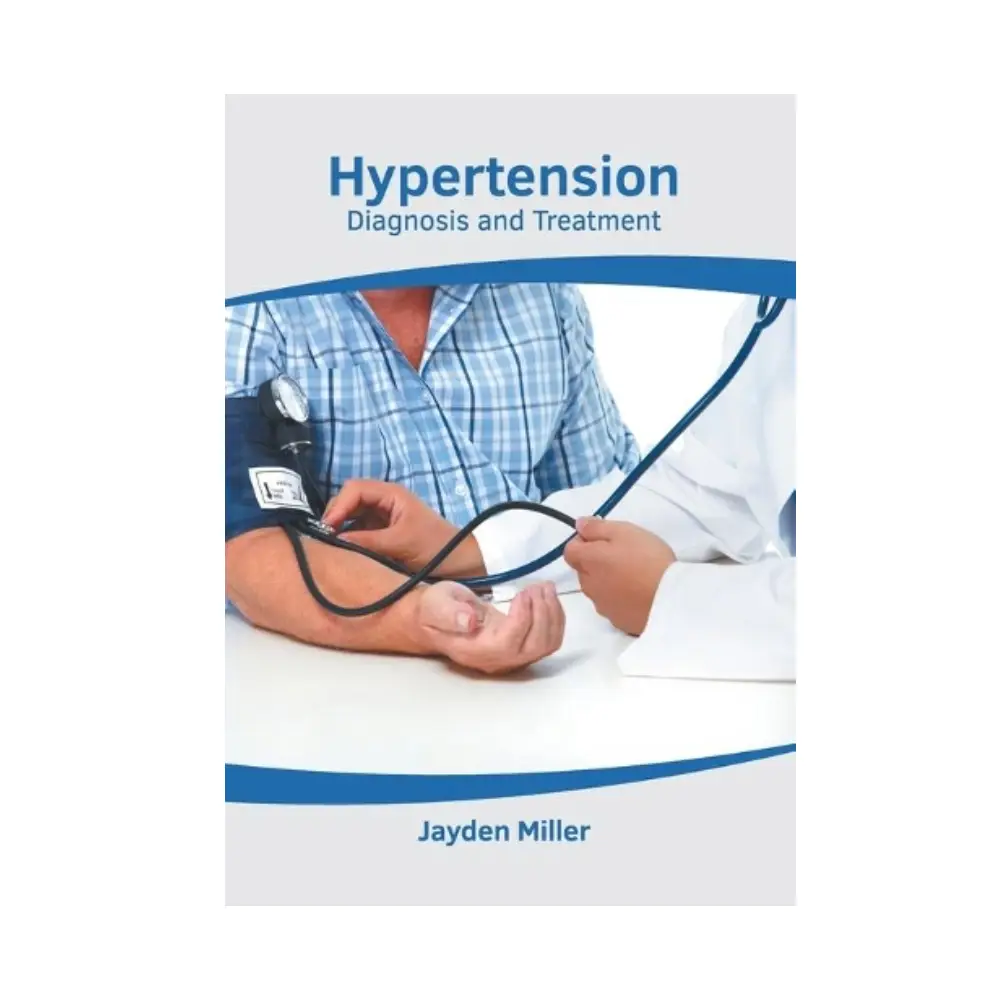
Accurate measurement is crucial. Blood pressure should be measured after the patient has rested for at least five minutes, seated comfortably with back supported and feet flat on the floor. Multiple readings on separate occasions are necessary to confirm hypertension.
Additional diagnostic tools include:
-
Ambulatory Blood Pressure Monitoring (ABPM): Detects white-coat hypertension and masked hypertension.
-
Home Blood Pressure Monitoring (HBPM): Encouraged for long-term follow-up.
Once hypertension is confirmed, evaluation includes:
-
Medical history and physical examination
-
Laboratory tests (serum creatinine, electrolytes, fasting glucose, lipid profile)
-
Urinalysis
-
Electrocardiogram (ECG)
-
Echocardiography (if indicated)
The goal is to assess cardiovascular risk and identify target organ damage such as left ventricular hypertrophy, retinopathy, or kidney impairment.
Treatment
Management aims to reduce blood pressure to target levels and prevent complications. Treatment involves lifestyle modification and pharmacological therapy.
Lifestyle Modifications
Lifestyle changes are recommended for all patients and may suffice for mild hypertension.
-
Dietary Changes:
-
Reduce salt intake (<5 g/day).
-
Follow DASH (Dietary Approaches to Stop Hypertension) diet rich in fruits, vegetables, and low-fat dairy.
-
Limit saturated fats.
-
-
Weight Reduction:
Even modest weight loss significantly lowers BP. -
Regular Physical Activity:
At least 150 minutes of moderate aerobic exercise per week. -
Limit Alcohol Intake:
Moderate consumption only. -
Smoking Cessation:
Reduces overall cardiovascular risk.
Pharmacological Treatment
Medication is recommended for:
-
Stage 2 hypertension
-
Stage 1 hypertension with cardiovascular risk factors
-
Failure of lifestyle measures
Common drug classes include:
1. ACE Inhibitors
Examples: Enalapril, Ramipril
-
Reduce angiotensin II production
-
Beneficial in heart failure and diabetic nephropathy
2. Angiotensin Receptor Blockers (ARBs)
Examples: Losartan, Telmisartan
-
Alternative for patients intolerant to ACE inhibitors
3. Calcium Channel Blockers (CCBs)
Examples: Amlodipine
-
Effective in elderly patients
4. Thiazide Diuretics
Examples: Hydrochlorothiazide, Chlorthalidone
-
Reduce plasma volume
5. Beta-Blockers
Examples: Metoprolol, Atenolol
-
Used in specific indications like coronary artery disease
Combination therapy is often required to achieve target BP, especially in Stage 2 hypertension.
Target Blood Pressure
For most adults, the target BP is:
-
<130/80 mmHg (especially in high-risk individuals)
-
Slightly higher targets may be acceptable in elderly or frail patients.
Complications of Uncontrolled Hypertension
-
Stroke
-
Myocardial infarction
-
Heart failure
-
Chronic kidney disease
-
Peripheral arterial disease
-
Aortic dissection
Long-term uncontrolled hypertension leads to significant morbidity and mortality.
Special Populations
-
Pregnancy: Managed carefully; drugs like labetalol and methyldopa are preferred.
-
Diabetes and CKD: ACE inhibitors or ARBs are often first-line.
-
Elderly: Start with low doses and titrate gradually.
Conclusion
Hypertension is a common but manageable condition. Early diagnosis, regular monitoring, lifestyle modifications, and appropriate pharmacological therapy significantly reduce the risk of cardiovascular complications. Since hypertension is often asymptomatic, routine screening and patient education are essential. With comprehensive care and adherence to treatment, patients can achieve good blood pressure control and prevent long-term organ damage.


Reviews
There are no reviews yet