
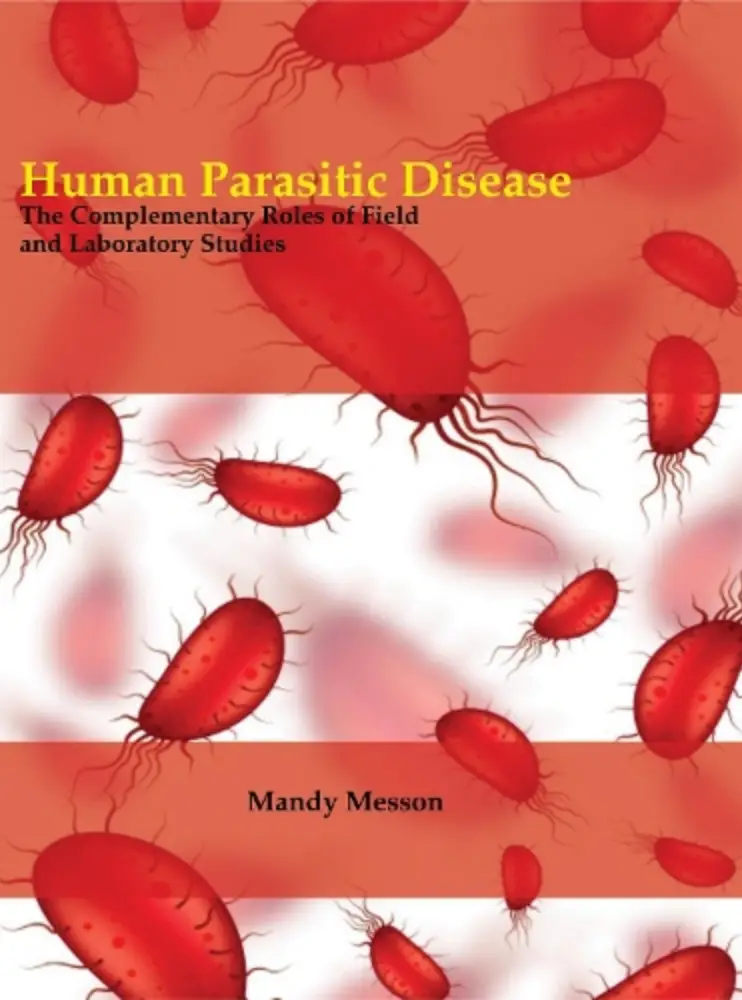


Human Parasitic Disease: The Complementary Roles of Field and Laboratory Studies
Human parasitic diseases remain a significant global health challenge, particularly in tropical and subtropical regions where environmental, socioeconomic, and ecological factors favor transmission. Understanding, diagnosing, and controlling these diseases require a multidisciplinary approach that integrates both field studies and laboratory investigations. Each plays a distinct yet interconnected role in advancing knowledge and improving public health outcomes.
Field studies are essential for understanding the real-world dynamics of parasitic infections. They involve observing populations in their natural environments, collecting epidemiological data, and identifying patterns of transmission. Through surveys, researchers can determine the prevalence and incidence of infections, identify high-risk groups, and assess environmental factors such as water sources, sanitation, and vector habitats. For instance, fieldwork in endemic regions helps map the distribution of diseases like malaria, schistosomiasis, and soil-transmitted helminth infections.
Moreover, field studies are crucial for evaluating the effectiveness of intervention programs. Public health initiatives such as mass drug administration, vector control strategies, and health education campaigns must be tested under actual conditions. Field researchers can assess compliance, measure reductions in disease burden, and identify challenges such as drug resistance or logistical barriers. Community engagement is also a key component, as understanding local beliefs and practices can significantly influence the success of interventions.
In contrast, laboratory studies provide the controlled environment necessary for detailed analysis of parasites and their interactions with hosts. Laboratory research enables precise identification of parasites using microscopy, molecular diagnostics, and immunological techniques. This is critical for accurate diagnosis, especially when clinical symptoms are nonspecific or when multiple infections coexist.
Laboratory investigations also contribute to understanding the biology, life cycles, and pathogenic mechanisms of parasites. By studying parasites at the cellular and molecular levels, researchers can uncover how they invade hosts, evade immune responses, and cause disease. This knowledge is fundamental for developing new diagnostic tools, vaccines, and therapeutic agents. For example, molecular studies have led to the identification of genetic markers for drug resistance, which is vital for guiding treatment policies.
Additionally, laboratory research supports the development and validation of diagnostic methods used in the field. Rapid diagnostic tests, for instance, are designed and tested in laboratories before being deployed in remote settings. Quality control and standardization of these tools ensure reliability and accuracy when used by field workers.
The Human Parasitic Disease integration of field and laboratory studies creates a powerful synergy. Field data generate hypotheses and highlight pressing health issues, which can then be explored in detail in the laboratory. Conversely, laboratory findings inform field strategies by providing new tools and insights for disease control. For example, if field studies detect a rise in treatment failure, laboratory analysis can investigate potential resistance mechanisms, leading to adjustments in treatment protocols.
Modern advances in technology have further strengthened this collaboration. Geographic information systems (GIS), remote sensing, and mobile health tools enhance field data collection and analysis, while genomic sequencing and bioinformatics revolutionize laboratory research. Together, these innovations enable more precise and comprehensive approaches to studying parasitic diseases.
In conclusion, the complementary roles of field and laboratory studies are indispensable in the fight against human parasitic diseases. Fieldwork provides the contextual understanding of disease patterns and public health challenges, while laboratory research offers the detailed scientific insights needed for innovation. Their integration ensures a holistic approach, ultimately leading to more effective prevention, diagnosis, and control strategies that can reduce the global burden of parasitic infections.






Reviews
There are no reviews yet