
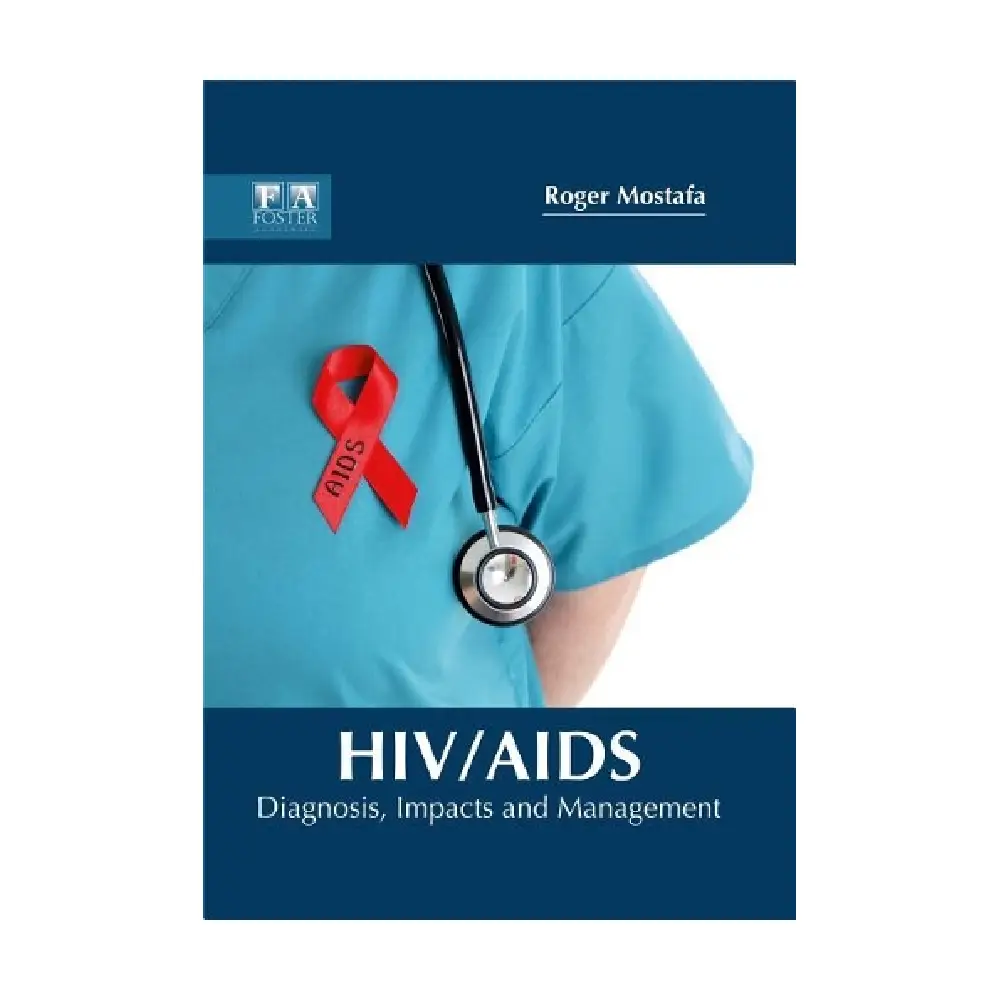


HIV/AIDS: Diagnosis, Impacts and Management
Human Immunodeficiency Virus (HIV) is a retrovirus that attacks the immune system, specifically the CD4+ T lymphocytes, weakening the body’s ability to fight infections and certain cancers. If untreated, HIV can progress to Acquired Immunodeficiency Syndrome (AIDS), the most advanced stage of the infection. Since it was first recognized in the early 1980s, HIV/AIDS has become a major global health issue. According to the World Health Organization, millions of people worldwide are living with HIV, but advances in diagnosis and treatment have dramatically improved survival and quality of life.
Transmission and Pathophysiology
HIV is transmitted through contact with infected body fluids such as blood, semen, vaginal fluids, rectal fluids, and breast milk. The most common modes of transmission include:
-
Unprotected sexual contact
-
Sharing contaminated needles
-
Mother-to-child transmission during pregnancy, childbirth, or breastfeeding
-
Transfusion of infected blood products (rare in countries with strict screening protocols)
Once inside the body, HIV binds to CD4 receptors on immune cells and integrates its genetic material into the host cell DNA. Over time, the virus replicates and destroys CD4 cells, leading to progressive immune suppression. Without treatment, this immune damage increases vulnerability to opportunistic infections and certain malignancies.
Clinical Stages
HIV infection progresses through three main stages:
-
Acute HIV Infection:
Occurs 2–4 weeks after exposure. Symptoms may resemble influenza, including fever, sore throat, rash, and lymphadenopathy. This stage is associated with high viral load and increased transmissibility. -
Chronic HIV Infection (Clinical Latency):
The virus remains active but reproduces at lower levels. Individuals may remain asymptomatic for years while gradual immune decline continues. -
AIDS (Advanced HIV Disease):
Diagnosed when CD4 count falls below 200 cells/mm³ or when specific opportunistic infections occur, such as tuberculosis, Pneumocystis pneumonia, or certain cancers.
Diagnosis
Early diagnosis is critical for effective management and prevention of transmission. HIV is diagnosed through laboratory testing, including:
-
Antibody tests (rapid tests or ELISA)
-
Antigen/antibody combination tests (detect both HIV antibodies and p24 antigen)
-
Nucleic acid tests (NATs) (detect viral RNA)
Screening is recommended for high-risk individuals and as part of routine healthcare in many settings. Confirmatory testing is required after an initial positive result. Monitoring includes measuring CD4 cell counts and viral load to assess immune function and treatment effectiveness.
Impacts of HIV/AIDS
1. Physical Health Impact
Untreated HIV leads to immune failure and life-threatening infections. Even with treatment, individuals may face long-term complications such as cardiovascular disease, kidney disorders, and neurocognitive impairment.
2. Psychological Impact
Diagnosis can lead to anxiety, depression, stigma, and social isolation. Mental health support is a crucial component of care.
3. Social and Economic Impact
HIV/AIDS affects families and communities, especially in low- and middle-income countries. Loss of productivity, healthcare costs, and orphanhood contribute to broader societal challenges.
4. Public Health Impact
Despite major progress, HIV remains a significant global health concern. Prevention and education remain essential to reduce transmission rates.
Management
Although there is no cure for HIV, it is now considered a manageable chronic condition with proper treatment.
1. Antiretroviral Therapy (ART)
The cornerstone of HIV management is combination antiretroviral therapy. ART works by suppressing viral replication, preserving immune function, and preventing disease progression. Modern regimens are effective, safe, and often involve a single daily pill.
Early initiation of ART is recommended for all individuals diagnosed with HIV, regardless of CD4 count. Effective treatment can reduce viral load to undetectable levels. The principle of “Undetectable = Untransmittable (U=U)” means that individuals with sustained undetectable viral loads do not transmit HIV sexually.
2. Prevention Strategies
-
Consistent condom use
-
Pre-exposure prophylaxis (PrEP) for high-risk individuals
-
Post-exposure prophylaxis (PEP) after potential exposure
-
Needle exchange programs
-
Prevention of mother-to-child transmission through ART during pregnancy
3. Management of Opportunistic Infections
Prophylactic medications and vaccinations are used to prevent infections in individuals with low CD4 counts.
4. Psychosocial Support
Counseling, support groups, and community-based programs help address stigma and improve adherence to treatment.
Global Progress and Future Directions
International initiatives have significantly expanded access to ART, reducing HIV-related mortality. Research continues toward vaccine development and potential cure strategies, including gene editing and immune-based therapies.
Conclusion
HIV/AIDS remains a global health challenge but has transformed from a fatal disease to a manageable chronic condition with early diagnosis and effective treatment. Comprehensive care—including medical management, prevention strategies, and psychosocial support—is essential to improving outcomes and reducing transmission. Continued awareness, education, and access to treatment are key to achieving long-term control of the epidemic.





Reviews
There are no reviews yet