
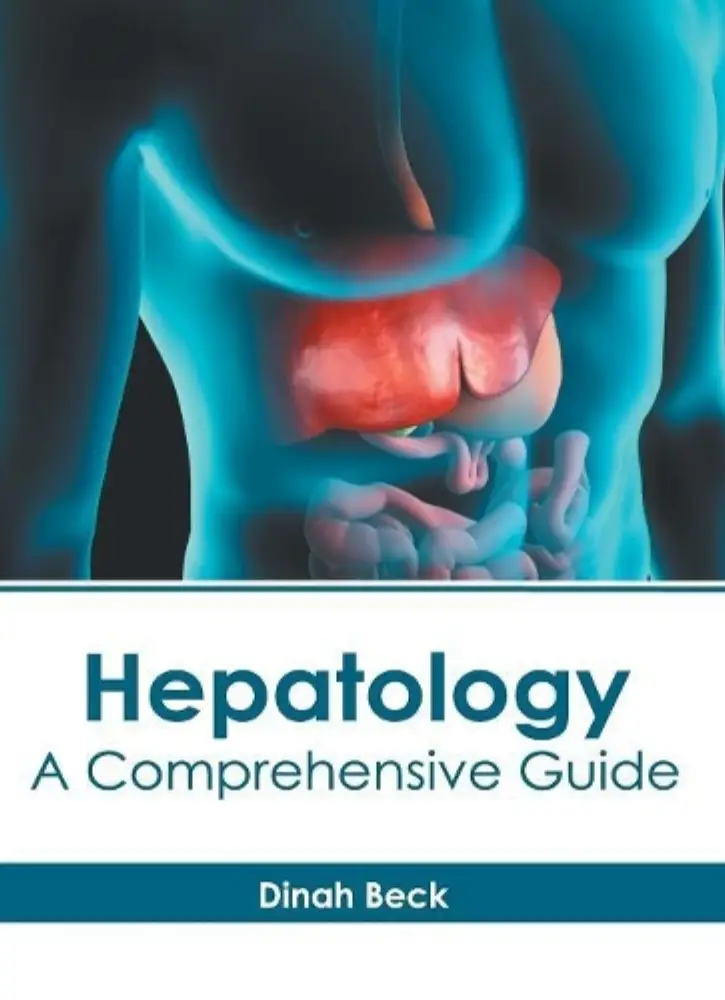
Hepatology: A Comprehensive Guide
Hepatology: A Comprehensive Guide is a thorough, clinically oriented textbook that provides an in‑depth exploration of liver diseases — their pathophysiology, diagnosis, management, and prevention. Designed for clinicians, trainees, and allied healthcare professionals, the guide integrates fundamental science with practical clinical applications. It spans acute and chronic liver conditions, emphasizing evidence‑based approaches and current standards of care.
The liver plays a central role in metabolism, detoxification, protein synthesis, and immune regulation. Because of its multifunctional nature, liver diseases can present with diverse manifestations, ranging from asymptomatic laboratory abnormalities to fulminant hepatic failure. Hepatology as a discipline bridges gastroenterology, transplant medicine, infectious disease, and internal medicine — a convergence reflected in the comprehensive coverage of this guide.
Core Structure and Content
The book is typically organized into major thematic sections that cover:
1. Basic Liver Biology and Pathophysiology
A solid understanding of liver anatomy and physiology is essential to grasp disease mechanisms. Early chapters focus on hepatic blood supply, bile formation, metabolic pathways, and immune functions. These foundations help explain why liver injury can lead to jaundice, coagulopathy, metabolic disturbances, and portal hypertension.
Mechanisms of liver injury — including oxidative stress, immune‑mediated damage, fibrosis, and regeneration pathways — are discussed in detail. Special emphasis is placed on the wound‑healing response that leads to fibrosis and cirrhosis, pivotal processes in chronic liver disease progression.
2. Clinical Assessment and Diagnostic Tools
This section covers how to evaluate patients with suspected liver disease. It outlines detailed approaches to:
- Clinical history and physical examination — jaundice, encephalopathy, ascites, spider angiomas.
- Laboratory tests — interpreting aminotransferases, bilirubin, alkaline phosphatase, albumin, and coagulation profiles.
- Imaging modalities — ultrasound, CT, MRI, elastography to assess fibrosis and structural changes.
- Liver biopsy — indications, techniques, and histologic patterns of injury.
Diagnostic algorithms are provided to differentiate hepatocellular vs. cholestatic liver injury and to guide evaluation of abnormal liver tests.
3. Viral Hepatitis
Chronic infections with hepatitis B virus (HBV) and hepatitis C virus (HCV) are major global causes of liver disease. The guide delves into:
- HBV virology, natural history, and prevention, including vaccination.
- HCV epidemiology and curative treatment with direct‑acting antiviral agents.
- Hepatitis D co‑infection and its aggressive course.
Management strategies emphasize antiviral therapy, monitoring viral load, and preventing complications like cirrhosis and hepatocellular carcinoma (HCC).
4. Alcohol‑Related and Non‑Alcoholic Liver Disease
- ALD is discussed from steatosis to alcoholic hepatitis and cirrhosis, with insights into risk factors, clinical features, and therapeutic options including abstinence and corticosteroids for severe cases.
- NAFLD and non‑alcoholic steatohepatitis (NASH) are tied to metabolic syndrome. The guide covers lifestyle interventions, pharmacotherapy under investigation, and screening for fibrosis.
5. Autoimmune and Metabolic Liver Diseases
Conditions such as autoimmune hepatitis, primary biliary cholangitis, primary sclerosing cholangitis, and genetic/metabolic disorders (hemochromatosis, Wilson’s disease, alpha‑1 antitrypsin deficiency) are each discussed in terms of:
- Clinical features and diagnostic criteria
- Serologic markers and imaging findings
- Treatment principles and prognosis
6. Complications of Liver Disease
Portal hypertension is a central theme, with coverage of:
- Ascites, variceal bleeding, hepatic encephalopathy
- Diagnostic measurements (e.g., hepatic venous pressure gradient)
- Therapeutic approaches including diuretics, endoscopy, and transjugular intrahepatic portosystemic shunt (TIPS)
7. Liver Transplantation
As a definitive therapy for end‑stage liver disease, transplantation is reviewed from pre‑transplant assessment to post‑operative care. Topics include:
- Indications and contraindications
- Immunosuppression strategies
- Long‑term outcomes and complications
Conclusion
Hepatology: A Comprehensive Guide synthesizes an expansive field into a structured, accessible resource. It equips clinicians with the tools to evaluate complex liver disorders, apply evidence‑based interventions, and anticipate complications. As liver disease prevalence rises worldwide — driven by metabolic risk factors and viral hepatitis — comprehensive resources like this are essential for high‑quality patient care

Reviews
There are no reviews yet