
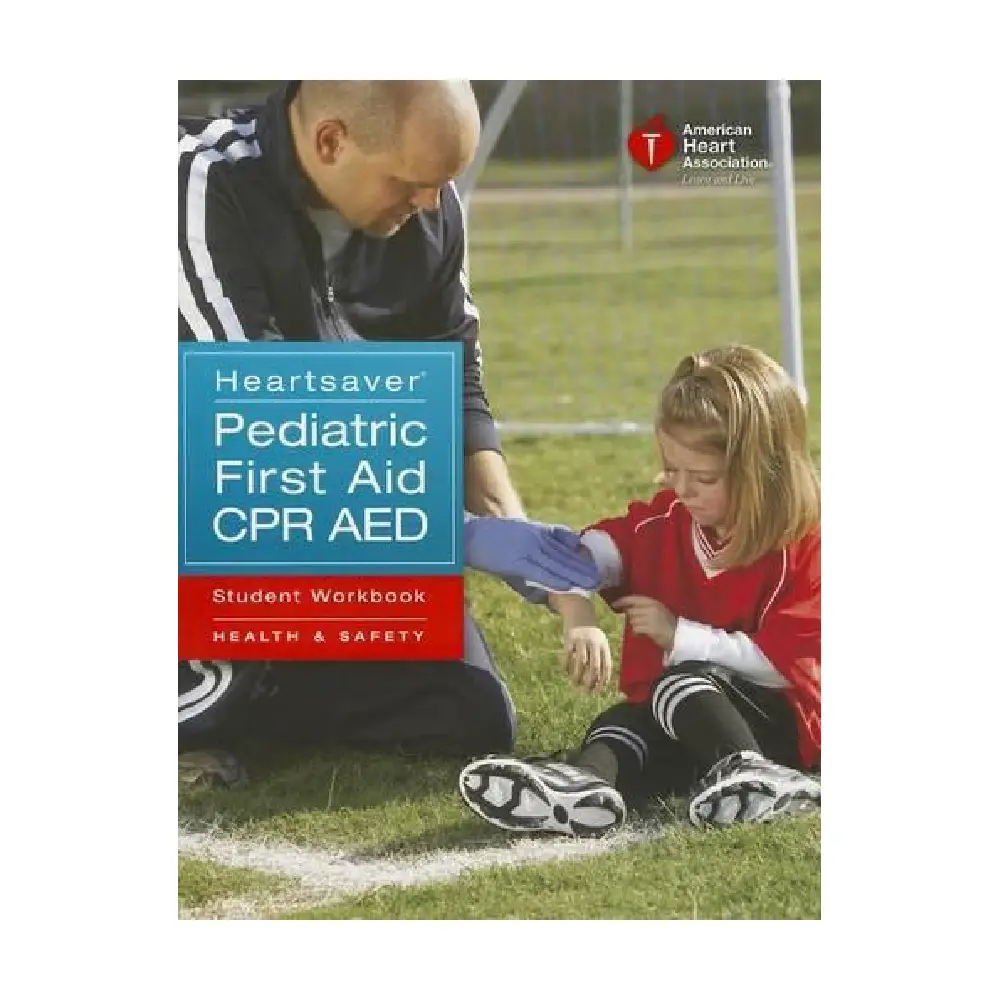
Heartsaver Pediatric First Aid CPR AED Student Workbook
The Heartsaver Pediatric First Aid CPR AED Student Workbook, published by the American Heart Association (AHA), is a foundational text designed to support learners through the Heartsaver Pediatric First Aid CPR AED course — a program that equips individuals with the knowledge and skills to respond effectively to pediatric emergencies. This student workbook is the required companion text for participants, offering structured content before, during, and after instructor-led training or blended learning formats.
Purpose and Context
Pediatric emergencies — whether injuries, choking, sudden illness, or cardiac arrest — can be frightening and unpredictable. Quick action in the first critical minutes can significantly improve outcomes and save lives. The Heartsaver Pediatric course and its accompanying workbook are tailored for lay rescuers with little or no medical training who may be responsible for the welfare of children and infants in everyday settings.
The target audience includes:
-
Childcare providers and day-care workers
-
Teachers and youth leaders
-
Coaches and supervisors of children’s activities
-
Parents, grandparents, and family caregivers
-
Babysitters and guardians
-
Foster care workers and camp counselors
The workbook’s content aligns with the AHA’s guidelines for CPR & Emergency Cardiovascular Care, ensuring learners receive evidence-based instruction and up-to-date best practices.
Workbook Structure and Content
The Heartsaver Pediatric Student Workbook is designed to be user-friendly with full-color illustrations and clear explanations. It covers a wide range of topics essential for pediatric first aid and resuscitation.
1. First Aid Foundations
Participants learn the basics of first aid, including:
-
Scene safety and assessment
-
Calling for emergency help
-
Basic steps for preventing injury and illness
-
Essentials of a first aid kit and first-aid resources
These foundational chapters emphasize situational awareness, how to approach emergencies safely, and when to activate emergency services.
2. Pediatric Illnesses and Injuries
The workbook guides students through common pediatric medical and injury scenarios that can occur at home, school, or in community environments, such as:
-
Fever, seizures, and breathing difficulties
-
Allergic reactions and asthma attacks
-
Head injuries, fractures, and burns
-
Soft tissue injuries and wounds
For each condition, the text outlines the signs and symptoms, recommended first-aid actions, and decisions on when to seek urgent or professional care.
3. CPR for Children and Infants
One of the most critical sections focuses on Cardiopulmonary Resuscitation (CPR) specifically for children and infants:
-
Recognition of cardiac arrest
-
Technique for high-quality chest compressions
-
Proper rhythm and depth for various age groups
-
Rescue breathing and how it differs by age
-
Modifications for infants vs. children
The workbook uses step-by-step images and descriptions to help learners understand and practice effective CPR — an essential skill when a child becomes unresponsive and not breathing.
4. Automated External Defibrillator (AED) Use
Automated External Defibrillators (AEDs) are portable devices that deliver a shock to restart the heart in certain cardiac emergencies. The Heartsaver Pediatric Workbook teaches:
-
When to use an AED
-
How to turn it on and apply pads
-
Safety precautions
-
Pediatric considerations (e.g., child-specific pads)
The AED section prepares participants to confidently integrate this life-saving device into emergency response.
5. Choking Emergencies
Choking is common in infants and young children due to airway obstruction. The workbook includes:
-
Identification of mild vs. severe choking
-
Back blows and abdominal thrusts technique
-
Modifications for infants and children
-
Continual assessment until help arrives
This section is vital because choking can rapidly progress to cardiac arrest if not addressed immediately.
Learning Aids and Supplemental Materials
The workbook includes several tools to reinforce learning and retention:
-
Reminder cards for Adult, Child, and Infant CPR & AED
-
A pediatric first-aid quick reference guide
-
Full-color illustrations and diagrams
-
Clear skill checklists
These resources transform the workbook into a practical reference that students can revisit long after the training course is complete.
Educational Approach
The workbook supports a blended learning model, combining independent study (through reading and reflection) with hands-on skill practice under instructor supervision. This hybrid approach helps students:
-
Absorb critical concepts at their own pace
-
Build confidence through repetition and skill demonstrations
-
Apply knowledge in real-world scenarios
Completing the workbook and associated instruction prepares participants to respond effectively to pediatric emergencies with competence and calmness — outcomes that can make a tangible difference in critical situations.
Conclusion
The Heartsaver Pediatric First Aid CPR AED Student Workbook is more than a textbook — it is a lifesaving training tool. By presenting first aid principles, CPR techniques, choking response methods, and AED use in a clear and practical framework, it empowers individuals without formal medical training to act confidently in emergencies involving infants and children. Its structured layout, supportive illustrations, and alignment with updated AHA guidelines make it indispensable for anyone responsible for child safety, whether professionally or at home





Reviews
There are no reviews yet