
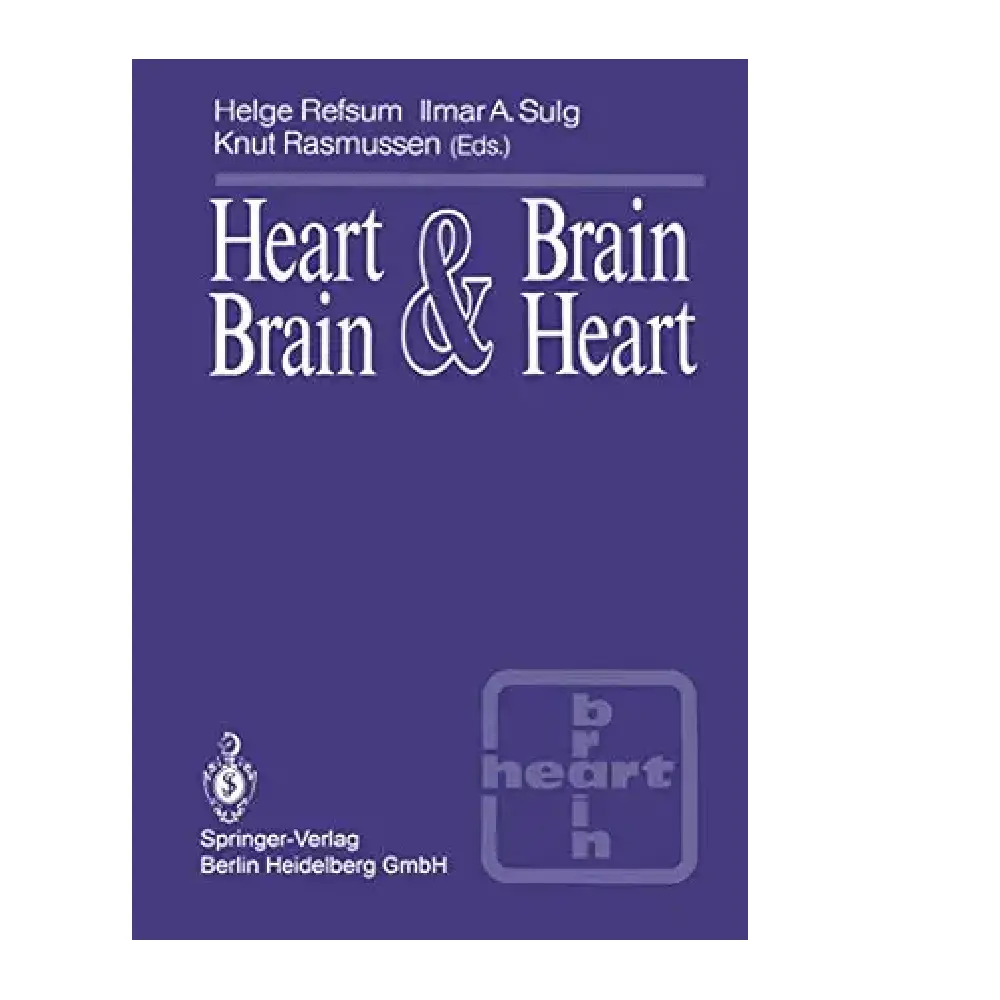
Heart & Brain, Brain & Heart
The relationship between the heart and the brain is one of the most intricate and vital connections in human physiology. These two organs are functionally interdependent, constantly communicating through neural, hormonal, and vascular pathways. Disease in one often affects the other, giving rise to the evolving field of neurocardiology, which explores the bidirectional interactions between the cardiovascular and nervous systems. Understanding the heart–brain axis is essential for comprehensive clinical care, as it explains why cardiac disorders can lead to neurological complications and why brain diseases frequently manifest with cardiovascular consequences.
Physiological Connection Between Heart and Brain
The brain depends on the heart to deliver a continuous supply of oxygenated blood. Although it represents only about 2% of body weight, the brain consumes nearly 20% of the body’s oxygen. Even brief interruptions in cerebral blood flow can result in loss of consciousness or irreversible neuronal injury. The heart, in turn, is under constant regulation by the brain through the autonomic nervous system, comprising the sympathetic and parasympathetic pathways.
The sympathetic nervous system increases heart rate, myocardial contractility, and blood pressure during stress or physical activity, while the parasympathetic system, mainly via the vagus nerve, slows heart rate and promotes cardiac relaxation. Higher brain centers, including the hypothalamus and limbic system, integrate emotional and physiological stimuli, influencing cardiac function in response to stress, fear, or excitement.
Heart to Brain: Cardiac Disease and Neurological Impact
Cardiac disorders are a major cause of neurological morbidity. Stroke is the most prominent example of heart-to-brain pathology. Conditions such as atrial fibrillation, valvular heart disease, cardiomyopathy, and myocardial infarction increase the risk of thrombus formation, which can embolize to cerebral vessels and cause ischemic stroke.
Reduced cardiac output in heart failure can lead to chronic cerebral hypoperfusion, contributing to cognitive impairment, memory decline, and vascular dementia. Episodes of severe hypotension, arrhythmias, or cardiac arrest may result in hypoxic–ischemic brain injury, leading to long-term neurological deficits.
Certain structural heart diseases, such as patent foramen ovale (PFO), allow paradoxical emboli to bypass pulmonary filtration and enter cerebral circulation, causing cryptogenic strokes, particularly in younger individuals.
Brain to Heart: Neurological Disorders Affecting the Heart
The influence of the brain on cardiac function is equally profound. Acute neurological events such as stroke, subarachnoid hemorrhage, traumatic brain injury, and seizures can trigger significant cardiac abnormalities. These include arrhythmias, myocardial injury, and even acute heart failure.
One striking example is neurogenic stunned myocardium, a reversible form of cardiac dysfunction caused by excessive sympathetic discharge following acute brain injury. Elevated catecholamine levels lead to myocardial stunning, ECG changes, and troponin elevation, mimicking acute coronary syndrome despite normal coronary arteries.
Similarly, Takotsubo cardiomyopathy, also known as stress-induced cardiomyopathy, illustrates the brain–heart connection vividly. Emotional or physical stress leads to sudden left ventricular dysfunction, likely mediated by neurohormonal mechanisms originating in the brain.
Autonomic Dysfunction and the Heart–Brain Axis
Autonomic imbalance plays a central role in heart–brain interactions. Disorders such as Parkinson’s disease, diabetic neuropathy, and multiple system atrophy can impair autonomic regulation, leading to orthostatic hypotension, resting tachycardia, or arrhythmias.
Conversely, chronic cardiac diseases can alter autonomic tone, resulting in increased sympathetic activity and reduced vagal modulation. This imbalance is associated with worse outcomes in heart failure and increased risk of sudden cardiac death.
Psychological Stress, Emotions, and Cardiovascular Health
The heart–brain relationship also extends into the psychological domain. Chronic stress, anxiety, and depression are associated with increased cardiovascular risk. Emotional stress activates the hypothalamic–pituitary–adrenal axis and sympathetic nervous system, leading to hypertension, endothelial dysfunction, and inflammation.
Depression is common in patients with cardiovascular disease and is independently associated with poorer prognosis. Likewise, individuals with neurological disorders such as stroke often develop depression, which can further worsen cardiovascular outcomes, highlighting the cyclical nature of heart–brain interactions.
Shared Risk Factors and Systemic Disease
Many risk factors affect both the heart and brain simultaneously. Hypertension, diabetes mellitus, smoking, dyslipidemia, obesity, and sedentary lifestyle contribute to both cardiovascular and cerebrovascular disease. Atherosclerosis is a systemic process, affecting coronary, carotid, and cerebral arteries alike.
Inflammation and endothelial dysfunction act as common pathological mechanisms linking cardiac and neurological diseases. Recognizing these shared pathways underscores the importance of integrated prevention strategies.
Clinical Implications and Integrated Care
The close relationship between heart and brain demands a multidisciplinary approach to patient care. Cardiologists, neurologists, psychiatrists, and primary care physicians must work collaboratively, particularly in patients with stroke, heart failure, arrhythmias, or autonomic disorders.
Early detection and management of atrial fibrillation can prevent stroke. Optimal control of heart failure may preserve cognitive function. Similarly, careful cardiac monitoring in acute neurological conditions can prevent fatal arrhythmias and myocardial injury.
Conclusion
The heart and brain are inseparably linked through complex physiological, pathological, and psychological pathways. Disease in one organ often reverberates in the other, influencing outcomes and quality of life. Understanding the bidirectional heart–brain relationship enhances clinical insight, promotes holistic care, and improves patient outcomes. As research continues to unravel this intricate connection, integrated heart–brain medicine will play an increasingly important role in modern healthcare.





Reviews
There are no reviews yet