
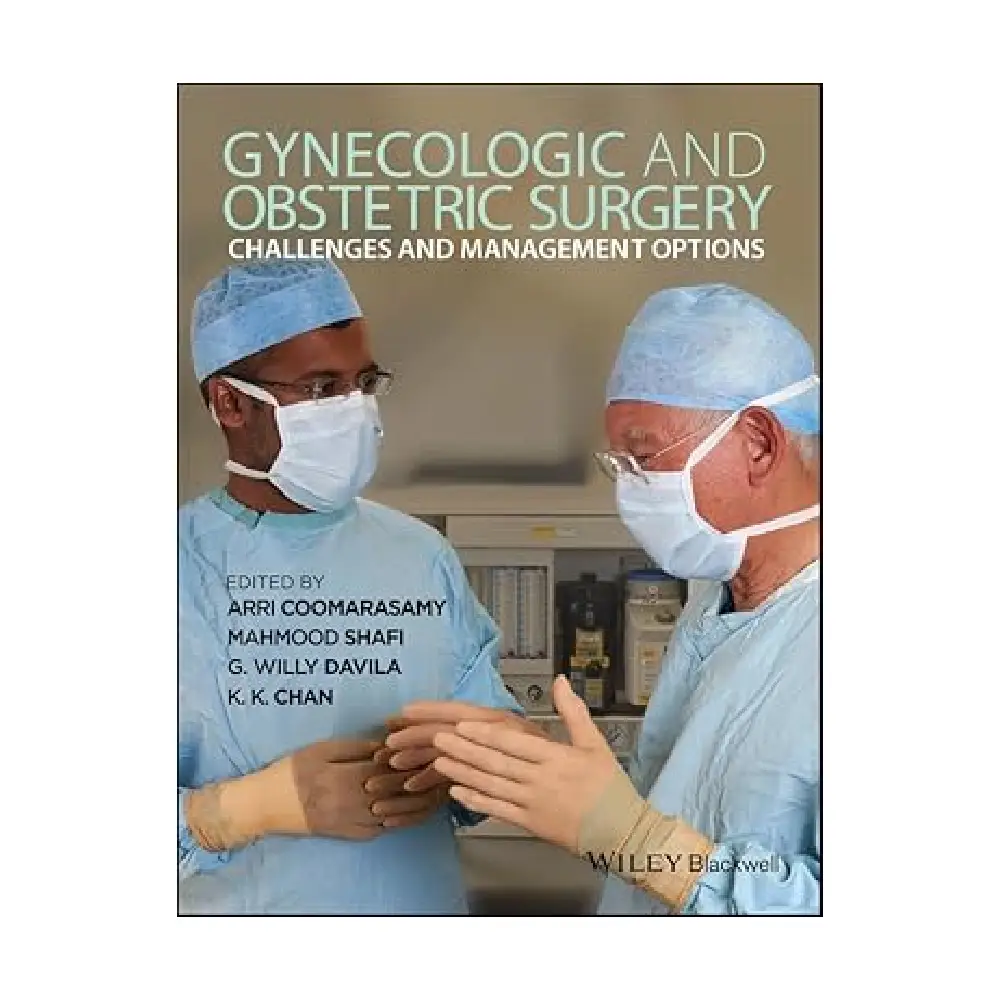

Gynecologic and Obstetric Surgery: Challenges and Management Options
Gynecologic and Obstetric Surgery: Challenges and Management Options is a comprehensive clinical resource that addresses the complexities of surgical practice in obstetrics and gynecology. The book is designed for practicing surgeons, postgraduate trainees, and specialists who manage both routine and high-risk surgical cases in women’s health. It focuses on practical decision-making, intraoperative problem solving, and complication prevention strategies, reflecting the evolving landscape of modern surgical gynecology and obstetrics.
The primary objective of the book is to provide guidance on managing challenging surgical scenarios encountered in clinical practice. Obstetric and gynecologic surgeries involve unique anatomical, physiological, and pathological considerations, making procedural safety and precision essential. This text integrates evidence-based medicine with expert surgical experience to help clinicians navigate difficult cases.
Scope of Surgical Challenges
The book covers a broad spectrum of surgical problems encountered during gynecologic and obstetric interventions. These include intraoperative hemorrhage, adhesions from previous surgeries, distorted pelvic anatomy, organ injury risks, and complications associated with malignancy or advanced disease.
One of the major themes is surgical safety. The text emphasizes preoperative planning, appropriate patient selection, and multidisciplinary consultation when necessary. Detailed discussions are provided on imaging interpretation, laboratory evaluation, and optimization of comorbid conditions before surgery.
Obstetric Surgical Management
Obstetric surgery presents unique challenges due to the presence of pregnancy-related physiological changes and fetal considerations. The book discusses operative approaches in conditions such as:
-
Placenta previa and placenta accreta spectrum disorders
-
Emergency cesarean delivery in complicated labor
-
Postpartum hemorrhage management
-
Uterine rupture and traumatic obstetric emergencies
Massive obstetric hemorrhage is highlighted as a major cause of maternal mortality. The text explains stepwise management, including uterine massage, uterotonic drugs, balloon tamponade, vascular ligation techniques, and, when necessary, hysterectomy.
Special attention is given to morbidly adherent placenta disorders, which require meticulous surgical preparation and often multidisciplinary surgical teams involving anesthesia, interventional radiology, and neonatology.
Gynecologic Surgical Management
In gynecologic surgery, the book explores both benign and malignant disease management.
For benign gynecologic conditions, surgical challenges include:
-
Severe endometriosis with pelvic adhesions
-
Large uterine fibroids requiring myomectomy
-
Ovarian cysts with complex morphology
-
Pelvic organ prolapse repair
The text describes techniques for minimizing blood loss, preserving reproductive potential, and maintaining anatomical integrity.
Minimally invasive surgical approaches are emphasized wherever feasible. Laparoscopic and hysteroscopic techniques are discussed in detail, including instrumentation, energy sources, and intraoperative troubleshooting.
Oncologic Surgery Considerations
Gynecologic oncology surgery requires balancing radical tumor removal with preservation of organ function and quality of life.
The book addresses surgical staging procedures for cancers of the cervix, endometrium, and ovary. Sentinel lymph node mapping, nerve-sparing techniques, and fertility-preserving oncology surgery are discussed in the context of modern oncologic principles.
Management of advanced malignancy often requires cytoreductive surgery. The concept of optimal debulking is explained along with predictors of surgical success and postoperative care requirements.
Complication Prevention and Management
A major strength of the book is its emphasis on complication avoidance. Topics include:
-
Prevention of urinary tract and bowel injury
-
Management of intraoperative bleeding
-
Recognition of ureteric injury
-
Postoperative infection control
-
Venous thromboembolism prophylaxis
The text provides practical algorithms for identifying complications early and initiating prompt corrective measures.
Role of Technology and Modern Surgical Tools
Advances in surgical technology have transformed gynecologic and obstetric surgery. The book reviews:
-
Robotic-assisted surgical systems
-
Advanced electrosurgical energy devices
-
Three-dimensional imaging guidance
-
Enhanced recovery after surgery protocols
These innovations aim to reduce operative trauma, shorten hospital stay, and improve recovery outcomes.
Training and Ethical Considerations
The book also addresses surgical education, emphasizing the importance of structured training, mentorship, and simulation-based learning. Ethical issues such as informed consent, patient autonomy, and risk disclosure are highlighted as integral parts of surgical practice.
Patient-Centered Surgical Care
Modern obstetric and gynecologic surgery extends beyond technical skill to include psychological and reproductive counseling. The text encourages shared decision-making, fertility preservation discussions, and postoperative quality-of-life assessment.
Conclusion
Gynecologic and Obstetric Surgery: Challenges and Management Options serves as a practical surgical companion for clinicians dealing with complex obstetric and gynecologic cases. By combining surgical technique, clinical judgment, and evidence-based management principles, the book supports safe and effective patient care. Its comprehensive coverage of challenging scenarios, complication management, and modern surgical innovations makes it a valuable resource for both trainees and experienced specialists in women’s health surgery.







Reviews
There are no reviews yet