
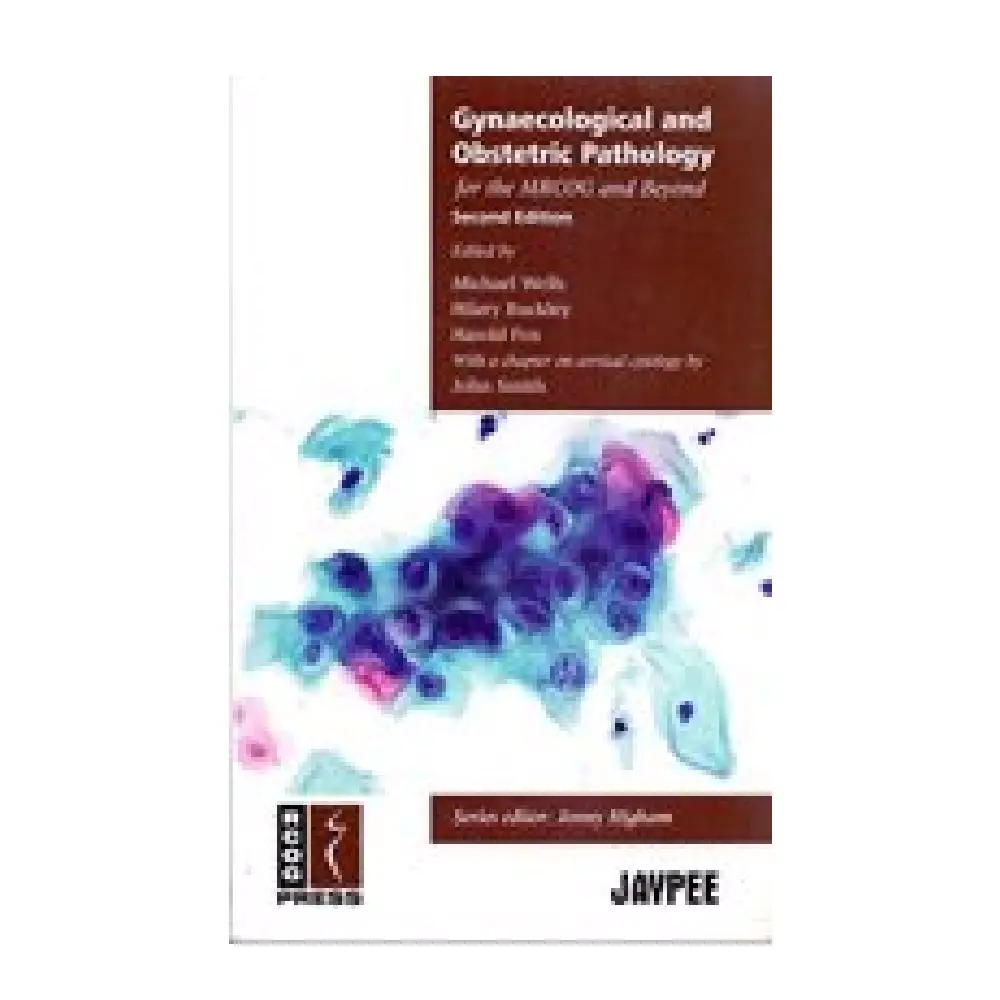
Gynaecological and Obstetric Pathology for the MRCOG and Beyond
Gynaecological and Obstetric Pathology for the MRCOG and Beyond (2nd Edition) is a specialized postgraduate resource designed to support candidates preparing for the MRCOG examinations while also serving as a valuable reference for practicing obstetricians and gynaecologists. The second edition reflects advances in diagnostic pathology, updated classification systems, and contemporary clinical guidelines, ensuring alignment with modern clinical practice and examination standards.
The book is structured to integrate pathological principles with clinical relevance. Rather than presenting pathology as an isolated academic subject, it links microscopic findings with clinical presentation, imaging, laboratory results, and management strategies. This approach is particularly useful for MRCOG candidates, who are expected not only to recognize pathological processes but also to apply this knowledge in clinical decision-making.
The text begins with foundational principles of pathology, including inflammation, neoplasia, and tissue repair, tailored specifically to obstetric and gynaecological contexts. It provides a clear overview of cellular adaptation, dysplasia, and malignant transformation, establishing the groundwork for understanding gynecological cancers and pregnancy-related pathology.
A major portion of the book focuses on gynecological pathology. Benign conditions such as leiomyomas, adenomyosis, endometriosis, and ovarian cysts are described with emphasis on pathogenesis, histopathological features, and clinical implications. The section on premalignant and malignant disorders is particularly detailed, incorporating updated WHO classifications and staging systems. Cervical intraepithelial neoplasia (CIN), endometrial hyperplasia, ovarian epithelial tumors, germ cell tumors, and sex cord-stromal tumors are discussed systematically.
The cervical pathology chapter integrates the pathophysiology of human papillomavirus (HPV) infection with screening strategies and cytological interpretation. It explains the progression from low-grade lesions to invasive carcinoma, correlating histology with colposcopic findings and management guidelines. This correlation is crucial for MRCOG clinical scenarios and structured discussions.
Endometrial pathology is presented with clarity, covering dysfunctional uterine bleeding, hyperplasia, and carcinoma. Molecular pathways, including the role of estrogen exposure and genetic mutations, are introduced to enhance understanding of disease progression. Similarly, ovarian pathology is examined in depth, highlighting tumor markers, imaging correlations, and clinical staging.
The obstetric pathology section addresses placental development, implantation, and disorders of placentation. Conditions such as placenta previa, placenta accreta spectrum, preeclampsia-related placental changes, intrauterine growth restriction (IUGR), and gestational trophoblastic disease are discussed comprehensively. The pathophysiology of miscarriage, ectopic pregnancy, and molar pregnancy is explained in relation to clinical presentation and management.
Fetal and neonatal pathology is also explored, including congenital anomalies, infections, and genetic disorders. The integration of prenatal diagnosis and pathology findings reflects the multidisciplinary nature of modern obstetrics. Updated insights into immunological and vascular mechanisms of pregnancy complications enhance the depth of discussion.
A distinguishing feature of the second edition is its exam-oriented layout. Key learning points, summary tables, photomicrographs, and flowcharts facilitate efficient revision. Case-based discussions mirror MRCOG examination formats, encouraging structured reasoning and application of pathology to real-world clinical scenarios. The writing style is concise yet academically rigorous, enabling readers to revise complex material effectively.
The book also emphasizes the importance of communication between clinicians and pathologists. It highlights how accurate clinical information, specimen handling, and multidisciplinary team discussions contribute to optimal patient care. This practical insight extends the book’s value beyond examination preparation to everyday clinical practice.
In conclusion, Gynaecological and Obstetric Pathology for the MRCOG and Beyond (2nd Edition) is a comprehensive, clinically integrated resource that bridges foundational pathology with practical obstetric and gynecological management. Its structured, evidence-based, and exam-focused approach makes it indispensable for MRCOG candidates while serving as a reliable reference for specialists seeking deeper understanding of disease mechanisms in women’s health.



Reviews
There are no reviews yet