
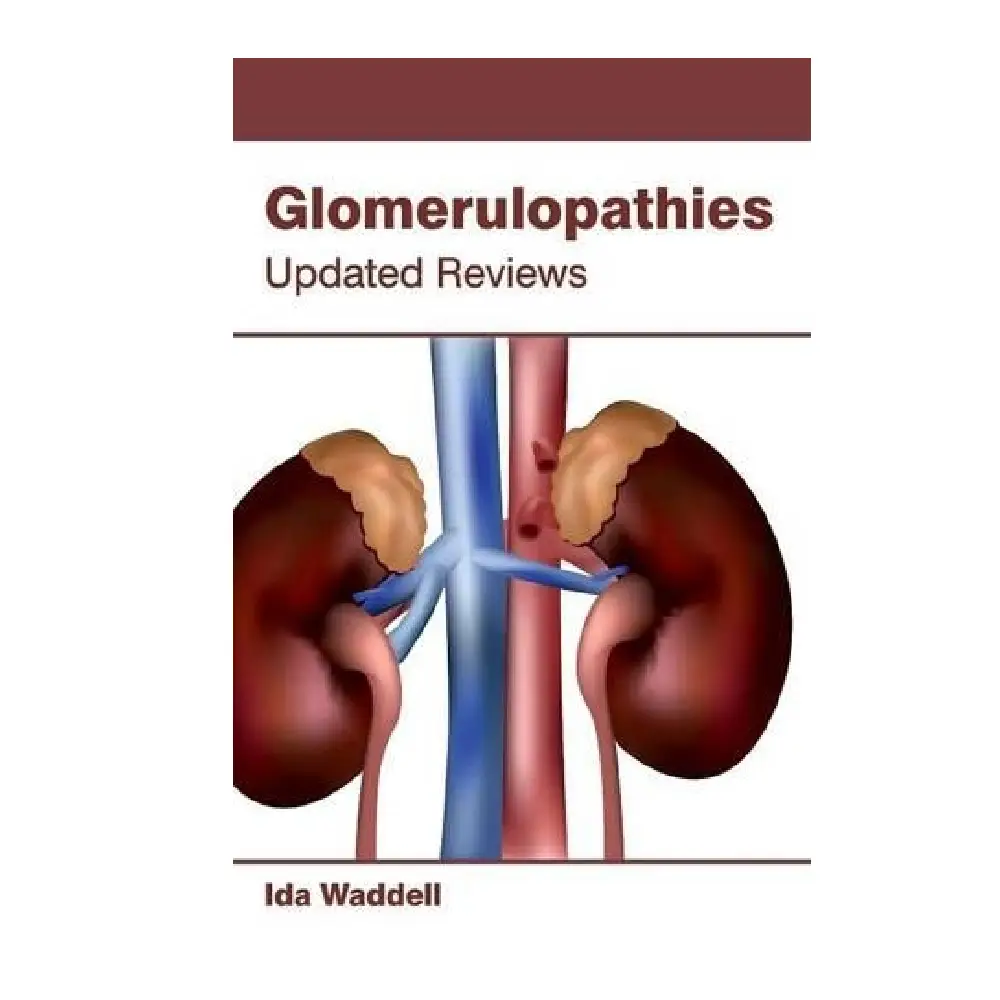


Glomerulopathies: Updated Reviews
Glomerulopathies: Updated Reviews is a comprehensive medical text that synthesizes current understanding of glomerular diseases—conditions affecting the tiny filtering units (glomeruli) of the kidney. Glomerulopathies encompass a wide spectrum of disorders, ranging from immune-mediated injury and genetic abnormalities to hemodynamic causes and secondary systemic diseases. This book is designed for nephrologists, renal pathologists, internists, transplant physicians, and trainees who require an up-to-date, evidence-based review of disease mechanisms, diagnostic strategies, and contemporary management options.
Understanding Glomerulopathies
At its core, the glomerulus serves as the primary filtration barrier in the kidney, composed of endothelial cells, the glomerular basement membrane (GBM), and podocytes. Disruption of any of these components leads to glomerular dysfunction, manifesting clinically as proteinuria, hematuria, hypertension, and progressive loss of renal function. Glomerulopathies may be broadly categorized as primary (intrinsic to the kidney) or secondary (resulting from systemic processes like diabetes, autoimmune diseases, or infections).
The book begins with foundational chapters on glomerular anatomy, histopathology, and the immunologic mechanisms that underlie many glomerular diseases. It emphasizes how modern diagnostic tools—such as electron microscopy, immunofluorescence, and molecular assays—enhance disease characterization and influence therapeutic decisions.
Major Disease Entities
One of the strengths of Glomerulopathies: Updated Reviews is its structure, which approaches each major glomerular condition through a comprehensive lens:
-
Minimal Change Disease (MCD):
Historically considered a childhood disease, MCD also occurs in adults and presents with sudden onset nephrotic syndrome. The book discusses pathogenesis hypotheses including T-cell dysregulation and circulating permeability factors. Treatment protocols emphasize corticosteroids as first-line therapy and outline approaches for steroid-resistant cases. -
Focal Segmental Glomerulosclerosis (FSGS):
FSGS represents a pattern of injury rather than a single disease. It may arise from genetic mutations (e.g., in podocin or α-actinin), adaptive responses to reduced nephron mass, or circulating permeability factors. The text details variant histologic patterns and prognosis differences, as well as treatment considerations including calcineurin inhibitors and newer biologics. -
Membranous Nephropathy (MN):
Membranous nephropathy is discussed in depth, especially the discovery of the phospholipase A2 receptor (PLA2R) as a major antigen in primary MN. This section explains how serologic testing for anti-PLA2R antibodies aids diagnosis, guides therapy, and predicts relapse. Immunosuppressive regimens are reviewed alongside recent trial data. -
IgA Nephropathy (IgAN):
As the most common primary glomerulonephritis globally, IgA nephropathy receives extensive coverage. The book reviews the pathophysiology of aberrant IgA1 glycosylation, clinical risk stratification tools like the Oxford Classification, and current management strategies including blood pressure control, renin-angiotensin system blockade, and selective use of immunosuppression. -
Membranoproliferative Patterns:
This section disentangles the complex group of membranoproliferative (mesangiocapillary) glomerulonephritis, distinguishing immune complex–mediated from complement-mediated (C3 glomerulopathy) forms. Advances in understanding of the alternative complement pathway and the role of complement inhibitors are reviewed. -
Rapidly Progressive Glomerulonephritis (RPGN):
The book emphasizes crescentic patterns and their association with vasculitides (e.g., anti-GBM disease, ANCA-associated vasculitis). Algorithms for rapid diagnosis and urgent immunosuppressive therapy are provided, including plasmapheresis indications in select cases.
Secondary Glomerular Diseases
Beyond primary disorders, the text explores glomerular damage due to systemic conditions:
-
Diabetic Nephropathy: Current epidemiology indicates diabetes as a leading cause of end-stage kidney disease. Detailed discussions include structural changes (GBM thickening, mesangial expansion) and the role of glycemic and blood pressure optimization with renoprotective agents.
-
Lupus Nephritis: Classification by biopsy class correlates with clinical severity and therapeutic choices; the book reviews induction and maintenance immunosuppressive regimens guided by evidence from major trials.
-
Infection-Related Glomerulonephritis: With evolving infectious disease patterns, recognition of post-streptococcal and staphylococcal infection-associated forms remains clinically relevant.
Diagnostics and Biomarkers
Modern nephrology increasingly relies on biomarkers and precision diagnostics. This text highlights the significance of serologic markers (e.g., anti-PLA2R, ANA, ANCA), urine proteomics, and genetic panels. It also underscores the continuing importance of renal biopsy as a gold-standard diagnostic tool, with biopsy interpretation bridging clinical and histologic data.
Treatment Paradigms
Treatment chapters weave evidence with clinical pragmatism. Immunosuppressive regimens—steroids, calcineurin inhibitors, mycophenolate, rituximab—are discussed in the context of disease severity, risk profiles, and patient comorbidities. Supportive care, including blood pressure control, lipid management, edema control, and dietary considerations, is integrated throughout.
Emerging therapies, such as complement pathway modulators and targeted biologics, are reviewed with reference to recent clinical trials. The book also addresses controversies in therapy, such as the timing of immunosuppression and titration strategies in older adults or patients with reduced renal reserve.
Prognosis and Patient Care
Prognostic indicators—such as degree of proteinuria, rate of renal function decline, and histologic risk scores—are elucidated with clinical vignettes. The importance of longitudinal care, patient education, and multidisciplinary collaboration (nephrology, pathology, rheumatology) is emphasized.
Conclusion
Glomerulopathies: Updated Reviews serves as both a current reference and a clinical guide. Its strengths lie in bridging basic science with real-world clinical application, offering clarity on complex disease processes and therapeutic decisions. For clinicians committed to excellence in kidney care, this book is a valuable resource that informs evidence-based practice, fosters diagnostic confidence, and enhances patient outcomes in the challenging realm of glomerular diseases.






Reviews
There are no reviews yet