
Gastrointestinal Surgery
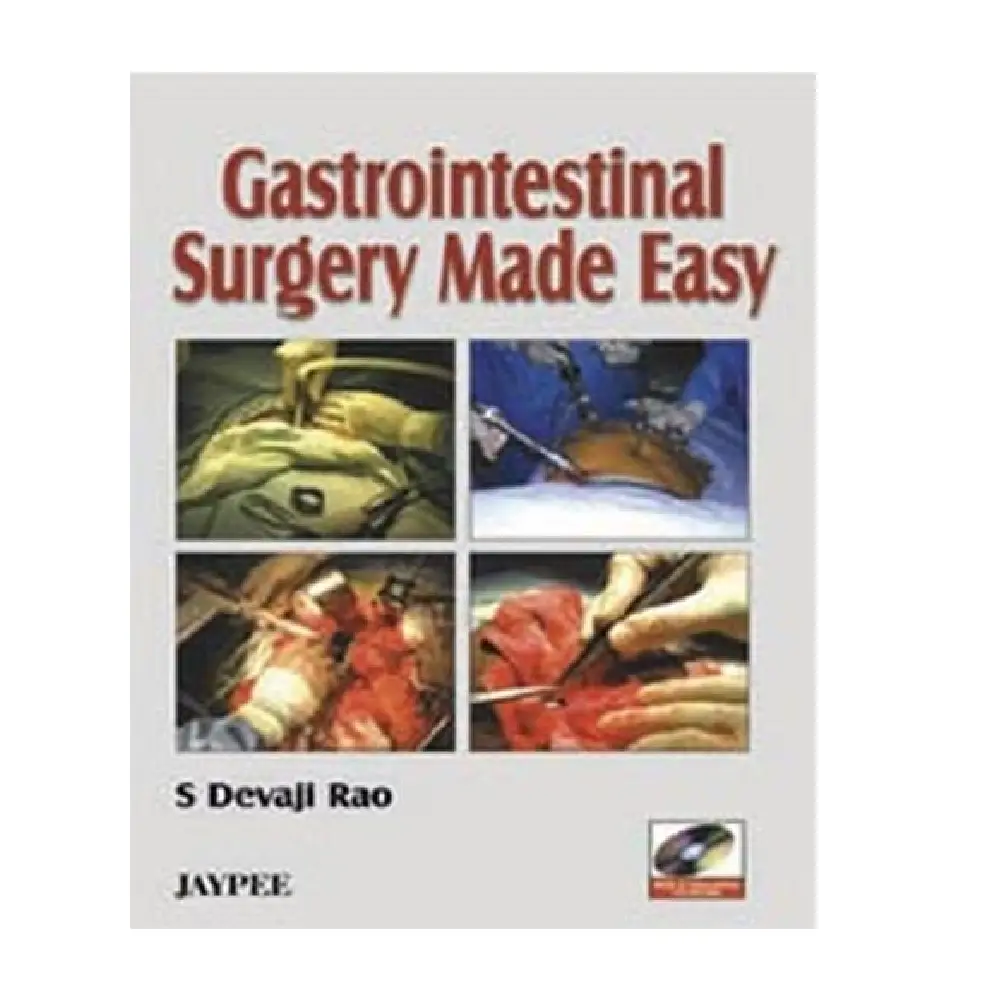
Gastrointestinal (GI) surgery is a major branch of general surgery dealing with diseases of the alimentary tract, liver, pancreas, biliary system, and associated organs. It encompasses a wide spectrum of conditions ranging from benign disorders such as hernias and gallstones to complex malignancies and life-threatening emergencies. Although often perceived as complex, gastrointestinal surgery can be made approachable and systematic by understanding core principles, adopting a step-by-step approach, and integrating sound clinical judgment with modern surgical techniques.
Understanding the Scope of Gastrointestinal Surgery
Gastrointestinal surgery involves operative management of the esophagus, stomach, small intestine, colon, rectum, liver, gallbladder, pancreas, and spleen. Common procedures include appendectomy, cholecystectomy, bowel resection, hernia repair, colorectal surgery, and surgeries for peptic ulcer disease and gastrointestinal cancers.
Advances in anesthesia, imaging, and minimally invasive techniques have significantly improved outcomes, reduced complications, and shortened recovery time. Despite technological progress, the foundation of GI surgery remains rooted in accurate diagnosis, careful planning, and meticulous surgical technique.
Preoperative Evaluation and Diagnosis
The first step in making GI surgery “easy” is thorough preoperative evaluation. A detailed history and physical examination provide essential clues to the underlying pathology. Symptoms such as abdominal pain, vomiting, bleeding, altered bowel habits, weight loss, and jaundice must be analyzed carefully.
Investigations play a supportive role. Blood tests, endoscopy, ultrasound, CT scan, MRI, and contrast studies help confirm the diagnosis and assess disease extent. Equally important is evaluation of the patient’s overall fitness, including nutritional status, comorbid conditions, and anesthetic risk. Proper preoperative preparation reduces perioperative complications and improves surgical outcomes.
Principles of Surgical Decision-Making
Not all gastrointestinal diseases require surgery. Conservative management may be sufficient for many conditions. The decision to operate depends on disease severity, failure of medical therapy, complications, and risk of malignancy.
Clear indications for surgery, appropriate timing, and choice of surgical approach are crucial. Elective surgery allows better preparation and optimization, while emergency surgery requires rapid decision-making and prioritization of life-saving interventions.
Step-by-Step Operative Approach
A systematic approach simplifies GI surgery. Key operative principles include adequate exposure, gentle tissue handling, precise identification of anatomy, and meticulous hemostasis. Respect for tissue planes and blood supply is essential to prevent complications such as leaks or strictures.
Minimally invasive techniques, particularly laparoscopic surgery, have transformed GI surgery. Procedures such as laparoscopic appendectomy, cholecystectomy, and colorectal resections are now standard in many centers. These approaches reduce postoperative pain, hospital stay, and wound complications while maintaining surgical effectiveness.
Managing Common Gastrointestinal Procedures
Some procedures form the backbone of GI surgery practice. Appendectomy is one of the most common emergency operations and illustrates principles of early diagnosis and timely intervention. Cholecystectomy for gallstone disease demonstrates the importance of anatomy and safe dissection, especially around the bile ducts.
Bowel surgery requires careful assessment of viability, tension-free anastomosis, and protection against contamination. In colorectal surgery, oncological principles such as adequate margins and lymph node clearance are essential in malignant disease.
Dealing with Gastrointestinal Emergencies
Gastrointestinal emergencies such as perforation, obstruction, bleeding, and ischemia demand prompt recognition and rapid intervention. In these situations, the surgeon must prioritize resuscitation, control of sepsis or hemorrhage, and stabilization of the patient.
Damage control surgery may be employed in critically ill patients, focusing on controlling contamination and bleeding before definitive repair. Understanding these principles makes emergency GI surgery more manageable and effective.
Postoperative Care and Complication Prevention
Successful GI surgery does not end in the operating room. Postoperative care is critical for recovery and outcome. Pain control, early mobilization, nutritional support, and monitoring for complications are essential components of care.
Common postoperative complications include infection, anastomotic leak, ileus, and bleeding. Early detection through vigilant monitoring allows prompt management and reduces morbidity. Enhanced Recovery After Surgery (ERAS) protocols have further simplified postoperative care and improved patient satisfaction.
Role of Multidisciplinary Care
Gastrointestinal surgery often requires a multidisciplinary approach, involving gastroenterologists, radiologists, oncologists, anesthesiologists, nutritionists, and nursing staff. Collaboration ensures comprehensive care, particularly in complex cases such as GI malignancies or inflammatory bowel disease.
Training, Skill Development, and Technology
Making GI surgery easy also depends on proper training and continuous learning. Simulation, mentorship, and adherence to standardized guidelines improve surgical skills and confidence. Emerging technologies such as robotic surgery, intraoperative imaging, and enhanced stapling devices continue to simplify complex procedures and improve precision.
Conclusion
Gastrointestinal surgery, though broad and complex, can be made “easy” through a structured approach grounded in sound clinical principles. Accurate diagnosis, careful patient selection, step-by-step operative technique, and attentive postoperative care form the pillars of successful GI surgery. By combining fundamental surgical knowledge with modern advances and teamwork, gastrointestinal surgery becomes safer, more efficient, and more rewarding for both surgeons and patients.







Reviews
There are no reviews yet