
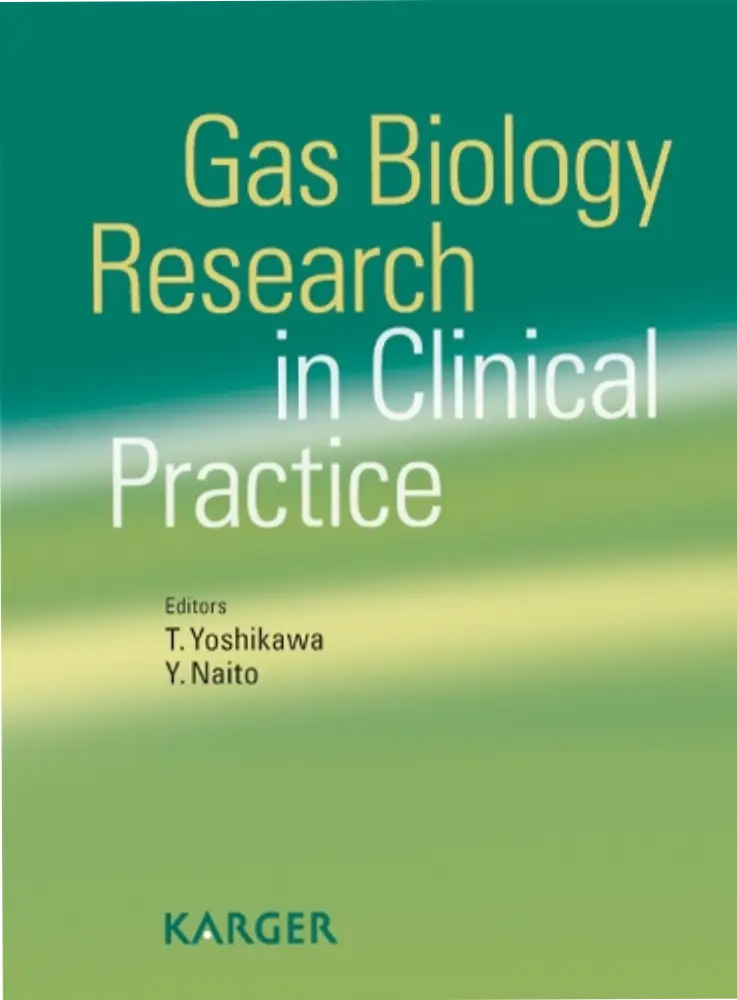
Gas Biology Research in Clinical Practice, 1st Edition is a specialized and forward-looking text that explores the emerging field of gas biology and its applications in modern medicine. Over recent decades, gases once considered biologically inert or merely toxic—such as nitric oxide, carbon monoxide, and hydrogen sulfide—have been recognized as critical signaling molecules involved in a wide range of physiological and pathological processes. This book provides a comprehensive overview of how these gaseous mediators influence human health and disease, bridging the gap between basic research and clinical application.
The book begins by introducing the fundamental concepts of gas biology, including the chemical properties of biologically active gases and their mechanisms of action at the cellular and molecular levels. It explains how these gases function as signaling molecules, regulating processes such as vasodilation, neurotransmission, and immune responses. Nitric oxide, for example, is highlighted for its essential role in maintaining vascular tone and blood flow, while carbon monoxide and hydrogen sulfide are discussed for their emerging roles in cellular protection and anti-inflammatory pathways.
A major focus of the text is on the physiological roles of these gases in different organ systems. In the cardiovascular system, gasotransmitters are shown to regulate blood pressure, cardiac function, and vascular homeostasis. In the nervous system, they act as neuromodulators, influencing synaptic transmission and neuroprotection. The book also explores their involvement in respiratory physiology, gastrointestinal function, and renal regulation, demonstrating the widespread impact of gas biology across the body.
The clinical relevance of gas biology is a central theme throughout the book. It examines how dysregulation of gaseous signaling pathways contributes to various diseases, including hypertension, atherosclerosis, neurodegenerative disorders, and inflammatory conditions. The text provides detailed insights into how alterations in nitric oxide production, for instance, can lead to endothelial dysfunction and cardiovascular disease. Similarly, imbalances in other gasotransmitters are linked to conditions such as sepsis and chronic inflammation.
One of the most exciting aspects of the book is its discussion of therapeutic applications. It highlights how understanding gas biology has led to the development of novel treatment strategies. Nitric oxide donors, phosphodiesterase inhibitors, and other pharmacological agents are explored as tools to modulate gas signaling pathways. The book also discusses experimental therapies involving controlled delivery of gases for therapeutic benefit, such as inhaled nitric oxide in respiratory distress and carbon monoxide-based therapies for inflammatory diseases.
The integration of laboratory research with clinical practice is emphasized, making the book particularly valuable for clinicians and researchers alike. It presents findings from experimental studies, clinical trials, and translational research, illustrating how discoveries in the laboratory can be applied to patient care. This approach underscores the importance of interdisciplinary collaboration in advancing medical science.
In addition to its scientific content, the book addresses challenges and future directions in the field of gas biology. It discusses the difficulties in measuring gaseous molecules in biological systems, as well as the need for more precise delivery methods in therapeutic applications. Advances in technology and research methodologies are expected to overcome these challenges, opening new possibilities for diagnosis and treatment.
Overall, Gas Biology Research in Clinical Practice, 1st Edition is an important contribution to the growing field of biomedical science. It provides a thorough and insightful exploration of how gases function as vital regulators of physiological processes and how their manipulation can lead to innovative therapeutic approaches. The book is an essential resource for medical professionals, researchers, and students interested in the cutting-edge developments of modern clinical science.


Reviews
There are no reviews yet