
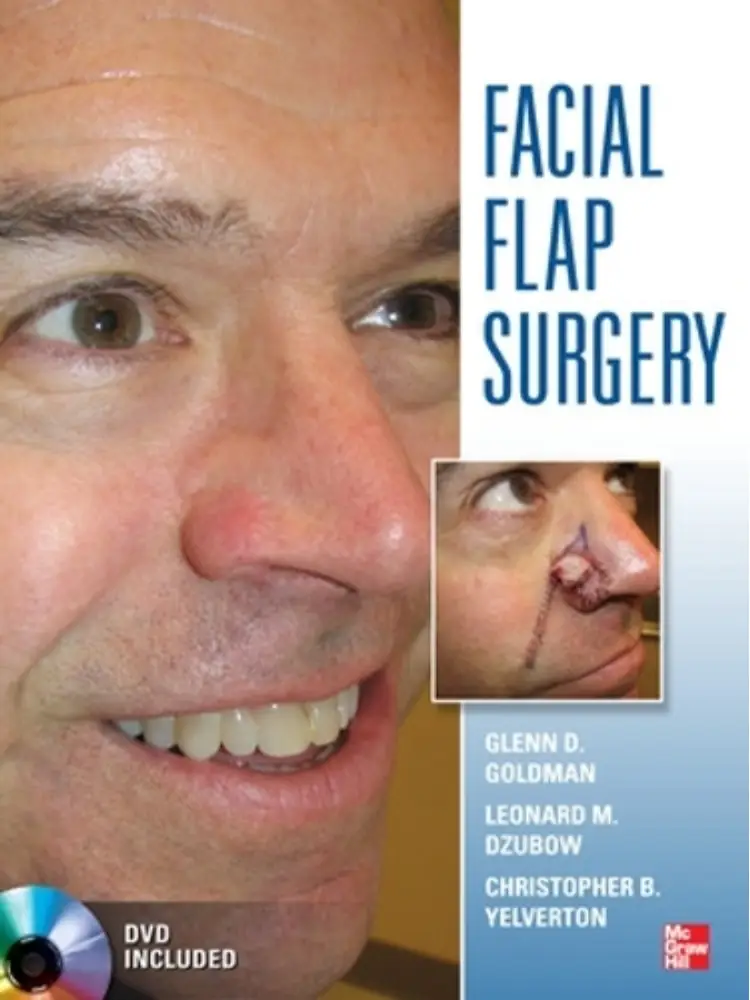


Facial Flap Surgery is a specialized area of reconstructive and cosmetic surgery focused on repairing defects of the face using tissue that is partially detached and repositioned while maintaining its own blood supply. This technique is widely used in plastic surgery, dermatologic surgery, and maxillofacial procedures to restore both function and appearance after trauma, tumor excision, or congenital deformities.
At its core, facial flap surgery involves the transfer of a “flap” of skin and underlying tissue from a nearby area to cover a defect. Unlike skin grafts, which rely on the recipient site for blood supply, flaps retain their original vascular connections, making them more reliable and suitable for complex reconstructions. This characteristic allows for better healing, improved cosmetic outcomes, and reduced risk of tissue necrosis.
Facial flaps are classified based on several factors, including blood supply, movement, and design. Common types include local flaps, regional flaps, and free flaps. Local flaps are the most frequently used in facial reconstruction because they utilize tissue adjacent to the defect, ensuring a close match in color, texture, and thickness. Examples include advancement flaps, rotation flaps, and transposition flaps. Each type is chosen based on the size, location, and depth of the defect.
The face presents unique challenges for surgeons due to its complex anatomy and aesthetic importance. Structures such as the eyes, nose, lips, and ears require precise reconstruction to maintain both function and symmetry. Surgeons must carefully consider skin tension lines, known as relaxed skin tension lines (RSTLs), to minimize scarring and achieve optimal cosmetic results. Additionally, preserving facial nerve function and ensuring adequate blood supply are critical aspects of surgical planning.
Facial flap surgery is commonly performed following the removal of skin cancers such as basal cell carcinoma and squamous cell carcinoma. After excision of the tumor, the resulting defect may be too large or complex to close directly. In such cases, flap techniques provide an effective solution by allowing tissue rearrangement while maintaining structural integrity. These procedures are also used in trauma cases, such as facial injuries from accidents, as well as in reconstructive surgeries for congenital anomalies like cleft lip and palate.
Preoperative planning plays a crucial role in the success of facial flap surgery. Surgeons evaluate the size and location of the defect, the availability of surrounding tissue, and the patient’s overall health. Detailed markings are made on the skin to guide the incision and movement of the flap. Imaging and careful assessment help ensure that the chosen technique will provide adequate coverage and maintain facial aesthetics.
During the procedure, the surgeon carefully incises the skin and underlying tissue, preserving the vascular pedicle that supplies blood to the flap. The flap is then repositioned to cover the defect and secured with sutures. The donor site is either closed directly or reconstructed as needed. The precision of surgical technique is essential to avoid complications and achieve a natural appearance.
Postoperative care is equally important. Patients are monitored for signs of infection, flap viability, and proper healing. Swelling and bruising are common but typically resolve over time. Proper wound care, along with follow-up visits, ensures that the flap integrates well with surrounding tissues. In some cases, additional procedures may be required to refine the cosmetic outcome.
Advancements in surgical techniques and technology have significantly improved the outcomes of facial flap surgery. Modern approaches emphasize minimally invasive methods, improved understanding of vascular anatomy, and the use of microsurgical techniques for complex reconstructions. These developments have enhanced both functional and aesthetic results, making facial flap surgery a highly effective solution for facial reconstruction.









Reviews
There are no reviews yet