
Introduction
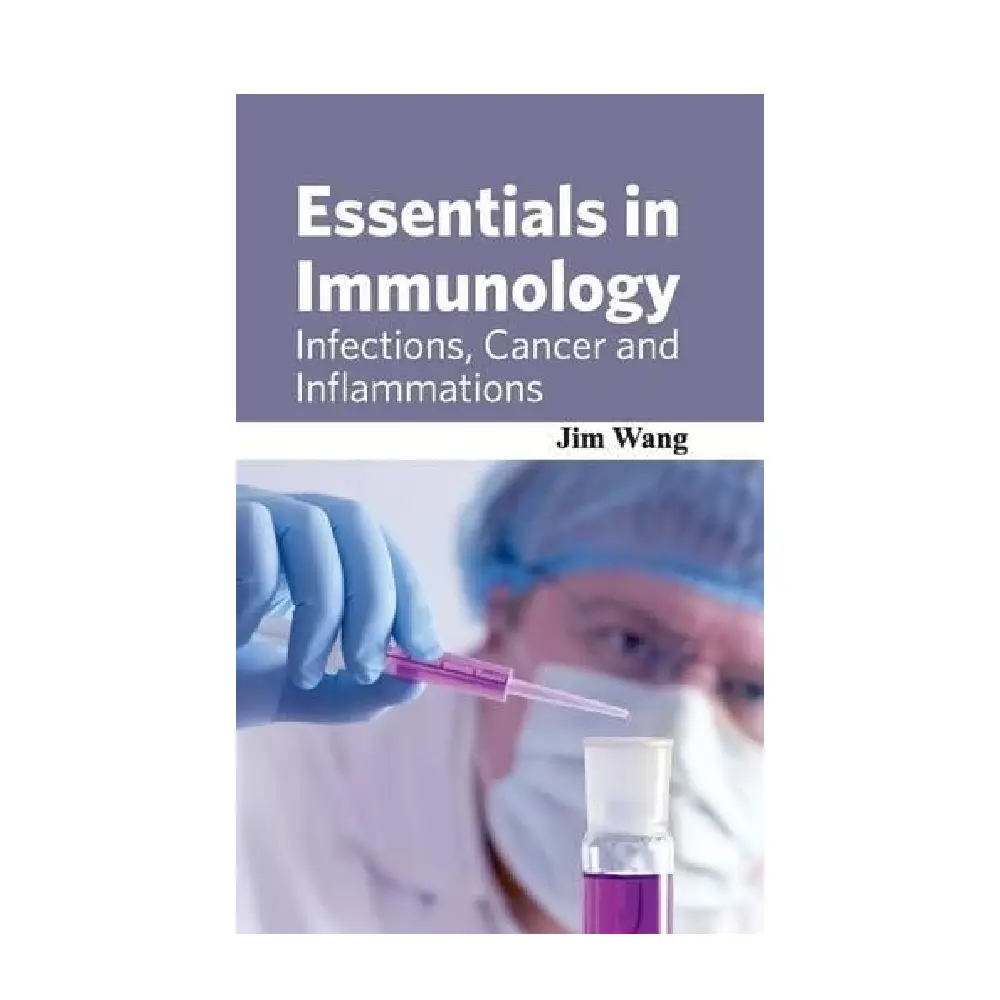
Essentials in Immunology: Infections, Cancer and Inflammations is an English-language comprehensive volume edited by Jim Wang, published in 2015 by Foster Academics. It spans around 280 pages and is designed for advanced students, researchers, and clinicians interested in understanding the immune system’s role not only in defending against pathogens but also in the development and progression of cancer and inflammatory diseases.
The book situates immunology within a broader biomedical context — bridging basic mechanisms with clinical consequences — and emphasizes how immune responses can be protective, pathological, or both depending on the context.
Foundations of Immunology
At its core, immunology is the study of the immune system — a complex network of cells, molecules, and organs that work together to maintain homeostasis and defend against external threats. This text begins by outlining the fundamental principles:
-
Innate vs adaptive immunity: Innate mechanisms provide immediate, nonspecific defense, while the adaptive immune system mounts specific responses through T and B lymphocytes.
-
Immune receptors and antigen recognition: The diversity of antigen receptors allows the immune system to recognize a vast array of pathogens.
-
Cytokines and chemokines: These signaling molecules regulate immune cell activation, differentiation, and communication.
Understanding these basics is essential because all subsequent chapters refer back to how these components interact to respond to real-world challenges like infections and cancer.
Immunology of Infections
A major section of the book deals with how the immune system contends with infectious agents — bacteria, viruses, fungi, and parasites — and how pathogens evade host defenses:
Host Defense Against Pathogens
The immune response to infection involves:
-
Barrier defenses (skin and mucous membranes)
-
Innate responses, including phagocytes and the complement system
-
Adaptive responses, where antigen presentation and lymphocyte activation lead to pathogen-specific immunity
Immune recognition triggers effector mechanisms (e.g., antibodies, cytotoxic T cells) that target and neutralize or eliminate invading microbes.
Pathogen Evasion
Many microbes have evolved strategies to evade immune detection or inactivate effector functions. This arms-race between host and pathogen highlights why infections remain a major global health concern.
Cancer and the Immune System
One of the book’s distinguishing features is its thorough exploration of tumor immunology — the interaction between cancer cells and host immunity:
Immune Surveillance and Tumor Recognition
The immune system can identify and destroy emerging tumor cells through mechanisms like:
-
Tumor antigens that differentiate cancer cells from normal tissue
-
Cytotoxic T lymphocyte responses that eliminate cells presenting such markers
This concept, called immune surveillance, suggests that the immune system continuously patrols the body for abnormal cells. However, many tumors evade this surveillance through genetic changes or by creating an immunosuppressive microenvironment.
Tumor Immune Evasion
Tumors can:
-
Downregulate antigen presentation
-
Secrete immunosuppressive cytokines
-
Recruit regulatory cells that dampen immune responses
These mechanisms allow cancer to grow and spread despite an active immune system.
Cancer Immunotherapy
While the book may not focus heavily on the latest therapies (it predates some of the most recent advances), it lays the groundwork for understanding:
-
Checkpoint inhibition
-
Adoptive cell transfer
-
Tumor vaccines
Such strategies aim to overcome tumor-induced immunosuppression and reengage the host’s immune defenses.
Inflammation and Autoimmunity
Inflammation is a vital immune response to injury or infection, but when chronic or dysregulated, it can lead to tissue damage. The text explains:
Physiologic vs Pathologic Immune Responses
While acute inflammation helps clear pathogens, chronic inflammation contributes to diseases such as rheumatoid arthritis, atherosclerosis, and inflammatory bowel disease.
Autoimmunity
Autoimmune disorders arise when the immune system mistakenly targets self-tissues. The book discusses how tolerance mechanisms usually prevent autoimmunity and how their failure can trigger diseases such as multiple sclerosis and lupus.
The transition from physiologic immune responses to pathological auto-reactivity remains a major area of research and clinical concern.
Contributions and Reader Focus
Essentials in Immunology draws on the expertise of contributors selected by the editor to focus on topics of interest to both foundational science and clinical immunology learners. Chapters on autoimmunity, inflammation, and infection are interwoven with discussions on immune mechanisms, cytokine networks, and disease processes.
Clinical Relevance and Applications
A key strength of this book is its clinical relevance. By linking immunological principles to diseases like infections, cancer, and chronic inflammatory conditions, it equips readers with a framework to approach immunological disorders in real-world settings. This makes it valuable for:
-
Medical students
-
Biomedical researchers
-
Healthcare professionals interested in immunopathology
Conclusion
Essentials in Immunology: Infections, Cancer and Inflammations provides a solid but detailed overview of how the immune system functions in both health and disease. It emphasizes the interplay between host defenses and pathological conditions, with particular focus on infections, tumor immunology, inflammation, and autoimmunity. While it is best suited for readers with some prior understanding of biology or immunology, its integration of basic science with clinical implications makes it a useful reference for advanced study in immunology.


Reviews
There are no reviews yet