
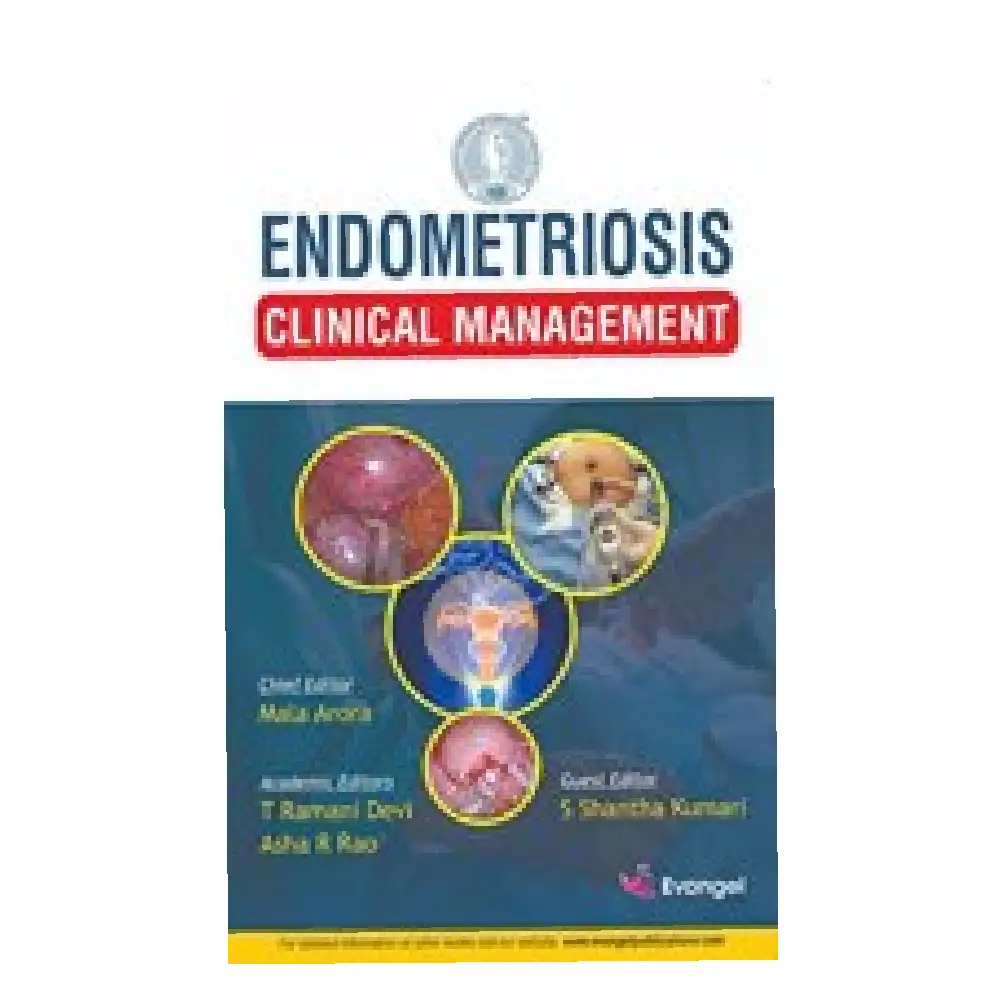
Endometriosis: Clinical Management
Endometriosis is a chronic, estrogen-dependent gynecological disorder characterized by the presence of functional endometrial-like tissue outside the uterine cavity. It primarily affects women of reproductive age and is associated with pelvic pain, dysmenorrhea, dyspareunia, and infertility. Because the disease is progressive and recurrent, management requires a personalized, multidisciplinary approach that balances symptom control, fertility preservation, and surgical decision-making.
Pathophysiology and Clinical Presentation
The exact cause of endometriosis remains multifactorial. Theories include retrograde menstruation, immune dysfunction, genetic predisposition, and hormonal influences. The ectopic endometrial implants commonly occur in the ovaries, pelvic peritoneum, uterosacral ligaments, and rectovaginal septum.
Clinically, patients may present with cyclical pelvic pain, severe menstrual cramps, chronic pelvic discomfort, painful intercourse, abnormal uterine bleeding, or subfertility. Some individuals remain asymptomatic and are diagnosed incidentally during imaging or surgery.
Diagnostic Approach
Diagnosis begins with detailed history taking and pelvic examination, although physical findings may be normal in early disease. Imaging plays an important role in evaluation:
-
Transvaginal ultrasonography is useful for detecting ovarian endometriomas.
-
Magnetic resonance imaging is preferred for deep infiltrating disease and preoperative planning.
-
Definitive diagnosis is achieved through laparoscopy with histopathological confirmation.
Early and accurate diagnosis is essential to prevent disease progression and reduce long-term complications.
Medical Management
Medical therapy is considered first-line treatment for patients with pain symptoms who do not require immediate surgery.
1. Nonsteroidal Anti-Inflammatory Drugs (NSAIDs):
These provide symptomatic pain relief by reducing prostaglandin-mediated inflammation but do not modify disease progression.
2. Hormonal Suppression Therapy:
The goal is to suppress ovarian estrogen production and induce a hypoestrogenic state that limits lesion activity.
Common hormonal treatments include:
-
Combined oral contraceptive pills administered cyclically or continuously
-
Progestins such as medroxyprogesterone acetate, dienogest, or norethindrone
-
Gonadotropin-releasing hormone agonists with add-back hormone therapy to minimize side effects
-
Gonadotropin-releasing hormone antagonists in selected cases
-
Levonorgestrel-releasing intrauterine systems for long-term symptom control
Long-term therapy is often necessary because recurrence is common after discontinuation.
Surgical Management
Surgery is indicated when there is severe pain, infertility, failure of medical therapy, or presence of complications such as large ovarian endometriomas or organ-infiltrating disease.
Surgical options include:
-
Laparoscopic excision or ablation of endometriotic implants
-
Adhesiolysis to restore pelvic anatomy
-
Ovarian cystectomy for endometriomas
-
Resection of deep infiltrating lesions involving bowel or bladder when necessary
Conservative surgery aims to preserve ovarian function and fertility whenever possible.
Radical surgical procedures, such as hysterectomy with or without bilateral salpingo-oophorectomy, may be considered in women who have completed childbearing and have refractory symptoms.
Management of Endometriosis-Associated Infertility
Infertility is a major complication of the disease. Treatment strategies depend on disease severity, age, and ovarian reserve.
Options include:
-
Expectant management in minimal disease with preserved fertility potential
-
Surgical removal of lesions to improve spontaneous conception rates
-
Controlled ovarian stimulation combined with intrauterine insemination in selected patients
-
Assisted reproductive technologies such as in vitro fertilization for moderate to severe disease or failed conservative treatment
Individualized fertility counseling is essential.
Recurrence Prevention and Follow-Up
Endometriosis is a chronic condition with potential recurrence after treatment. Maintenance hormonal therapy is often recommended after surgery in symptomatic patients. Regular follow-up helps monitor symptom control, disease progression, and treatment side effects.
Emerging Therapies
Research is ongoing in areas such as immunomodulatory therapy, angiogenesis inhibition, and molecular targeted treatment. Biomarker-based diagnosis and personalized medicine approaches are also being explored, although most remain investigational.
Psychological and Quality-of-Life Considerations
Chronic pain and infertility associated with endometriosis significantly affect mental health. Comprehensive care should include psychological support, pain management counseling, and patient education.
Conclusion
Clinical management of endometriosis requires a balanced approach integrating medical therapy, surgical intervention, and fertility planning. Early diagnosis, individualized treatment strategies, and long-term follow-up are essential to improve patient outcomes. Advances in hormonal therapy, minimally invasive surgery, and reproductive medicine continue to enhance the quality of care for women affected by this chronic disorder.

Reviews
There are no reviews yet