
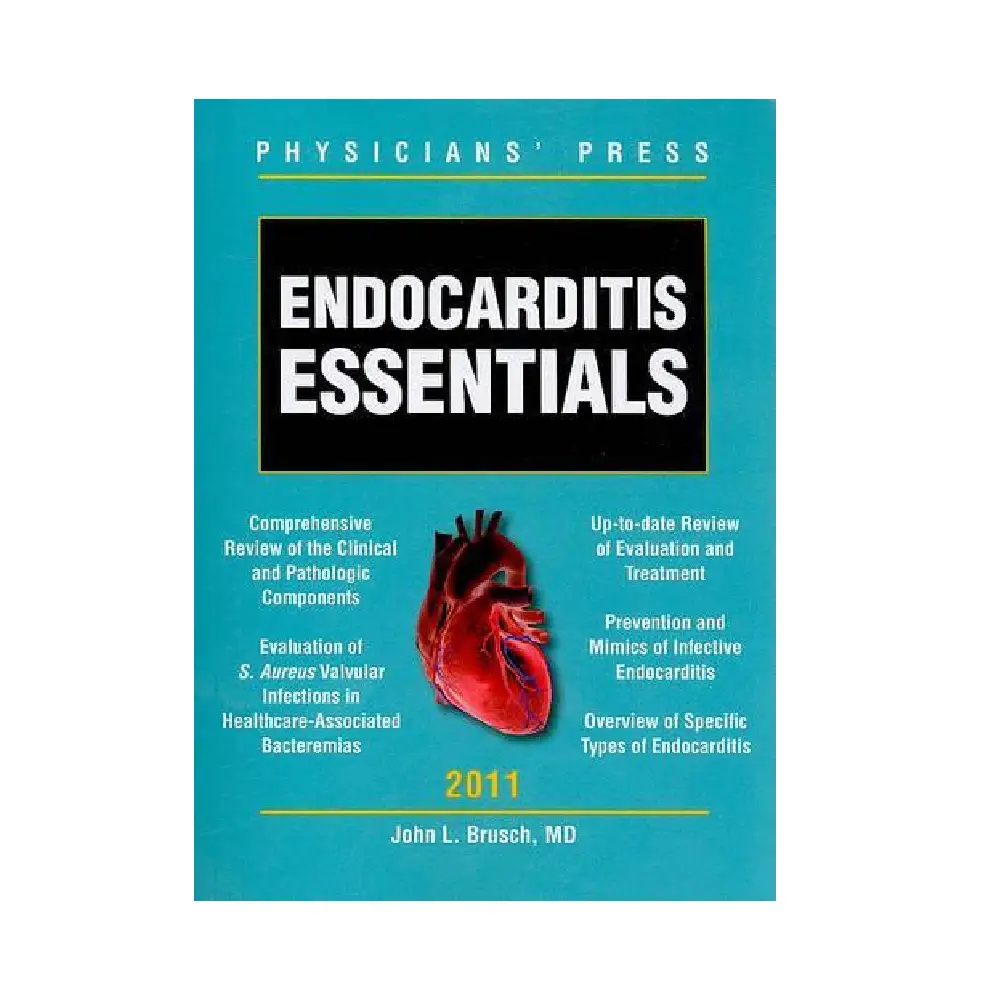


Endocarditis Essentials
Infective endocarditis is a serious and potentially life-threatening condition characterized by infection of the endocardial surface of the heart, most commonly involving the cardiac valves. Despite advances in antimicrobial therapy and diagnostic imaging, endocarditis continues to carry significant morbidity and mortality. A solid understanding of its pathophysiology, clinical presentation, diagnostic criteria, and management principles is essential for clinicians across internal medicine, cardiology, infectious diseases, and critical care.
Definition and Pathophysiology
Endocarditis results from microbial infection of damaged endocardial tissue. The disease typically begins with endothelial injury caused by turbulent blood flow from pre-existing valve disease, congenital heart defects, or prosthetic material. This injury promotes deposition of platelets and fibrin, forming sterile vegetations. When bacteremia or fungemia occurs, microorganisms can adhere to these vegetations, multiply, and form infected masses that are protected from host immune responses.
The most common causative organisms include Staphylococcus aureus, viridans group streptococci, enterococci, and coagulase-negative staphylococci. Less commonly, fungi and fastidious organisms are responsible, particularly in immunocompromised patients or those with prosthetic valves.
Risk Factors
Endocarditis primarily affects individuals with underlying cardiac or systemic risk factors. These include rheumatic or degenerative valvular disease, prosthetic heart valves, congenital heart disease, prior history of endocarditis, intravenous drug use, indwelling vascular catheters, and immunosuppression. Healthcare-associated endocarditis has increased in prevalence due to invasive procedures and device implantation.
Clinical Presentation
The presentation of endocarditis is highly variable, ranging from an indolent subacute illness to fulminant sepsis. Common symptoms include fever, chills, fatigue, weight loss, and night sweats. Cardiac manifestations may include new or changing murmurs, signs of heart failure, or conduction abnormalities.
Peripheral stigmata of endocarditis—though less common today—remain classic teaching features. These include petechiae, splinter hemorrhages, Janeway lesions, Osler nodes, and Roth spots. Systemic embolization can result in stroke, renal infarction, splenic abscess, or pulmonary emboli, depending on the location of infection.
Diagnostic Approach
Diagnosis relies on a combination of clinical, microbiological, and imaging findings. The modified Duke criteria remain the cornerstone for diagnosis, incorporating major and minor criteria.
Blood cultures are essential and should be obtained before initiating antibiotics whenever possible. Multiple sets improve diagnostic yield and help identify the causative organism and its antimicrobial susceptibility.
Echocardiography plays a central role. Transthoracic echocardiography (TTE) is often the initial test, while transesophageal echocardiography (TEE) provides superior sensitivity, particularly for prosthetic valves, intracardiac devices, and complications such as abscesses or perforations.
Additional investigations may include inflammatory markers, renal function tests, urinalysis, and advanced imaging such as cardiac CT or PET/CT in selected cases.
Principles of Management
Management of endocarditis requires prompt initiation of targeted antimicrobial therapy and close multidisciplinary collaboration.
Antimicrobial Therapy:
Treatment is organism-specific and typically involves prolonged intravenous antibiotics, often for 4–6 weeks. Empiric therapy is initiated after blood cultures in acutely ill patients and later tailored based on culture results and sensitivities. Bactericidal antibiotics are preferred to ensure sterilization of vegetations.
Monitoring:
Patients require regular clinical assessment, laboratory monitoring for drug toxicity, and repeat imaging if complications are suspected. Persistent fever or bacteremia may indicate inadequate therapy, resistant organisms, or development of complications.
Indications for Surgery
Surgical intervention is required in a significant proportion of patients. Indications include:
-
Heart failure due to valvular dysfunction
-
Uncontrolled infection (persistent bacteremia, abscess formation)
-
Prevention of embolic events from large vegetations
-
Prosthetic valve endocarditis with structural damage
Early surgical consultation improves outcomes, especially in high-risk cases.
Complications
Endocarditis can lead to severe complications if not promptly treated. Cardiac complications include acute valvular regurgitation, heart failure, myocardial abscess, and conduction disturbances. Systemic complications include embolic stroke, renal failure, immune-mediated glomerulonephritis, and septic emboli.
Prevention and Prophylaxis
Prevention strategies focus on reducing bacteremia risk and protecting high-risk patients. Good oral hygiene is crucial, as dental sources are a common cause of bacteremia. Antibiotic prophylaxis is recommended only for selected high-risk individuals undergoing certain dental procedures, following guidance from bodies such as the American Heart Association.
Prognosis
Despite modern therapy, infective endocarditis carries a mortality rate of 15–30%, depending on patient factors, organism virulence, and complications. Early diagnosis, appropriate antimicrobial therapy, and timely surgery are key determinants of outcome.
Conclusion
Endocarditis remains a complex and high-stakes clinical condition requiring vigilance, structured diagnostic evaluation, and coordinated care. Mastery of its essentials—from risk factors and diagnosis to antimicrobial therapy and surgical indications—enables clinicians to reduce complications and improve survival. Early recognition and adherence to evidence-based management principles remain the cornerstones of effective endocarditis care.





Reviews
There are no reviews yet