
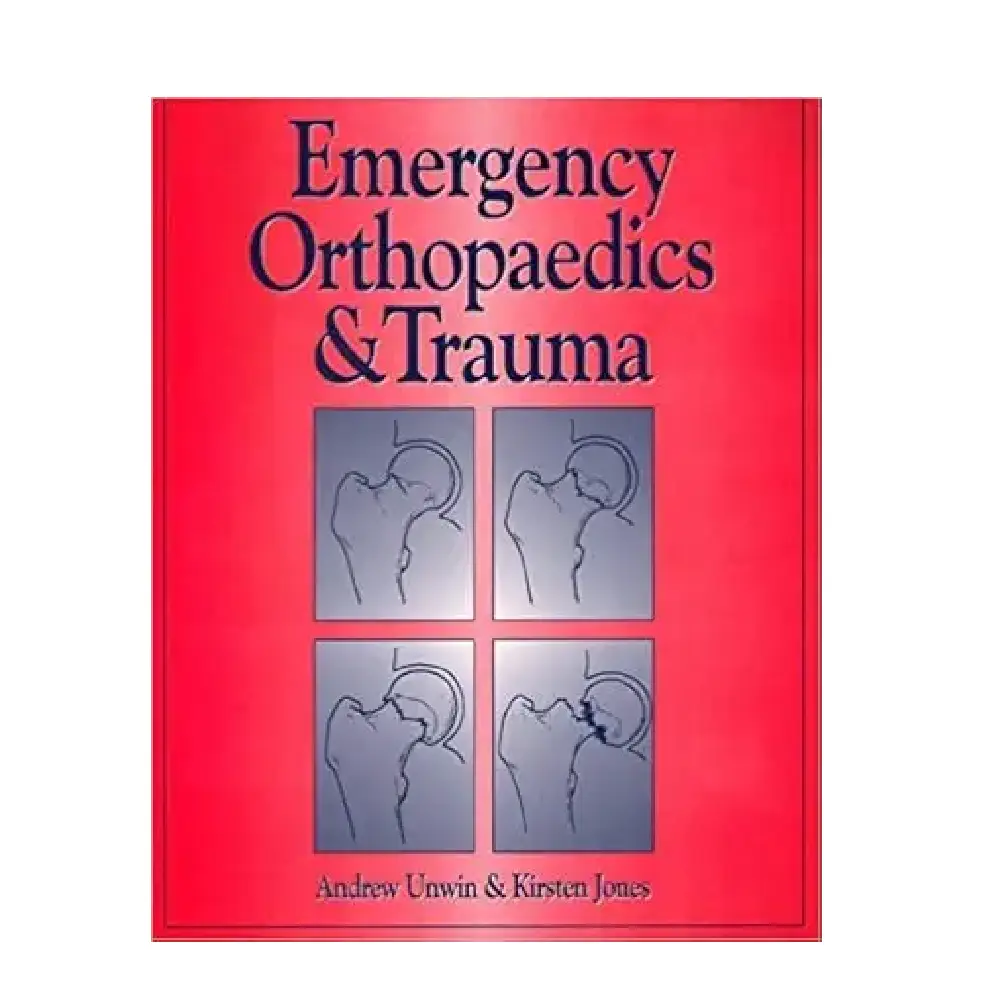
Emergency Orthopaedics & Trauma
Orthopaedic trauma represents a major component of acute medical care, encompassing injuries to bones, joints, ligaments, tendons, and associated soft tissues. These injuries may result from road traffic accidents, falls, sports injuries, industrial accidents, or violence. Effective management of orthopaedic emergencies requires prompt assessment, stabilization, and intervention to preserve life, prevent disability, and restore musculoskeletal function. The principles of emergency orthopaedics are grounded in anatomy, biomechanics, fracture healing, and soft tissue management, combined with rapid clinical decision-making and knowledge of surgical and non-surgical interventions.
Initial Assessment and Prioritization
The management of orthopaedic trauma begins with a systematic evaluation following the ATLS (Advanced Trauma Life Support) protocol, emphasizing airway, breathing, circulation, disability, and exposure (ABCDE). Life-threatening conditions, including hemorrhage, shock, and neurovascular compromise, must be addressed before definitive orthopaedic care.
After life-threatening injuries are stabilized, a focused musculoskeletal assessment is performed. Key components include inspection for deformity, swelling, open wounds, and skin color; palpation for tenderness and crepitus; assessment of joint stability; and evaluation of distal neurovascular status. Special attention is required for high-energy trauma, as these injuries are often associated with compartment syndrome, vascular injury, or multi-system trauma.
Fracture Diagnosis and Classification
Fractures are categorized based on location, pattern, displacement, and associated soft tissue involvement. Open fractures are classified according to the Gustilo-Anderson system, which guides management decisions and antibiotic therapy. Pathologic fractures, due to underlying disease such as osteoporosis or tumors, require distinct diagnostic and therapeutic approaches. Imaging modalities—including plain radiographs, CT scans, and MRI—aid in diagnosis, surgical planning, and follow-up.
Emergency Management of Fractures
Immediate goals in fracture management are pain control, immobilization, and prevention of complications. Closed fractures may be managed with splints, casts, or traction, ensuring proper alignment to facilitate healing. Open fractures require urgent irrigation and debridement, stabilization (external or internal fixation), and administration of broad-spectrum antibiotics to reduce the risk of infection.
Surgical Interventions
Surgical intervention is indicated for unstable, displaced, or complex fractures, especially those involving joints or with neurovascular compromise. Techniques include internal fixation using plates, screws, and intramedullary nails, or external fixation in cases of severe soft tissue injury or contamination. The timing of surgery is guided by the patient’s overall condition, soft tissue status, and presence of associated injuries.
Management of Dislocations and Soft Tissue Injuries
Dislocations are common in orthopaedic trauma, with shoulder, hip, elbow, and knee joints frequently affected. Prompt reduction is essential to restore anatomy, relieve pain, and prevent neurovascular injury. Soft tissue injuries, including ligament tears, tendon ruptures, and muscle contusions, require accurate diagnosis and tailored treatment, ranging from immobilization and physiotherapy to surgical repair.
Complications of Trauma
Orthopaedic trauma can lead to several complications if not managed appropriately. Compartment syndrome, resulting from increased pressure within closed fascial compartments, is a surgical emergency requiring immediate fasciotomy. Neurovascular injury can result in permanent functional loss if unrecognized. Delayed or inadequate fracture management may cause malunion, nonunion, or chronic pain. Infection, particularly in open fractures, is a significant risk requiring meticulous debridement and antibiotic therapy.
Special Considerations in Polytrauma
Patients with multiple injuries present unique challenges. Orthopaedic interventions must be integrated with care of other organ systems. Damage control orthopaedics (DCO) is an approach that stabilizes fractures temporarily to minimize physiological stress in critically ill or unstable patients. Definitive fixation is deferred until the patient is medically optimized. This strategy reduces systemic complications such as fat embolism, acute respiratory distress syndrome (ARDS), and multiple organ dysfunction.
Pediatric Trauma
Children have distinct anatomical and physiological features that influence injury patterns and healing. Physeal (growth plate) injuries require careful assessment to prevent growth disturbances. Pediatric fractures often heal faster than adult fractures, allowing for conservative management in many cases. Familiarity with pediatric-specific fracture classifications, such as Salter-Harris, is essential for appropriate management.
Rehabilitation and Functional Recovery
Early rehabilitation is critical in orthopaedic trauma care. Physiotherapy focuses on maintaining joint mobility, muscle strength, and functional independence. Postoperative protocols must balance protection of the repair with controlled mobilization to prevent stiffness and contracture. Patient education on activity modification, weight-bearing restrictions, and adherence to physiotherapy regimens is essential for optimal recovery.
Advances in Emergency Orthopaedics
Modern emergency orthopaedics has evolved with improvements in imaging, surgical techniques, and fixation devices. Minimally invasive fracture fixation, arthroscopic management of joint injuries, and biologic therapies (e.g., bone graft substitutes and growth factors) enhance outcomes. Evidence-based protocols and multidisciplinary care, integrating trauma surgeons, orthopaedic specialists, physiotherapists, and critical care teams, have significantly reduced morbidity and improved functional recovery.
Conclusion
Emergency orthopaedics and trauma care require a combination of rapid assessment, precise surgical skills, and comprehensive rehabilitation strategies. Success depends on timely intervention, meticulous attention to anatomy and biomechanics, and proactive management of complications. From minor fractures to complex polytrauma, the principles of stabilization, restoration of function, and prevention of long-term disability underpin effective clinical practice. Continuous advances in surgical techniques, imaging, and rehabilitation continue to refine emergency orthopaedic care, offering patients the best chance for recovery and return to function.



Reviews
There are no reviews yet