
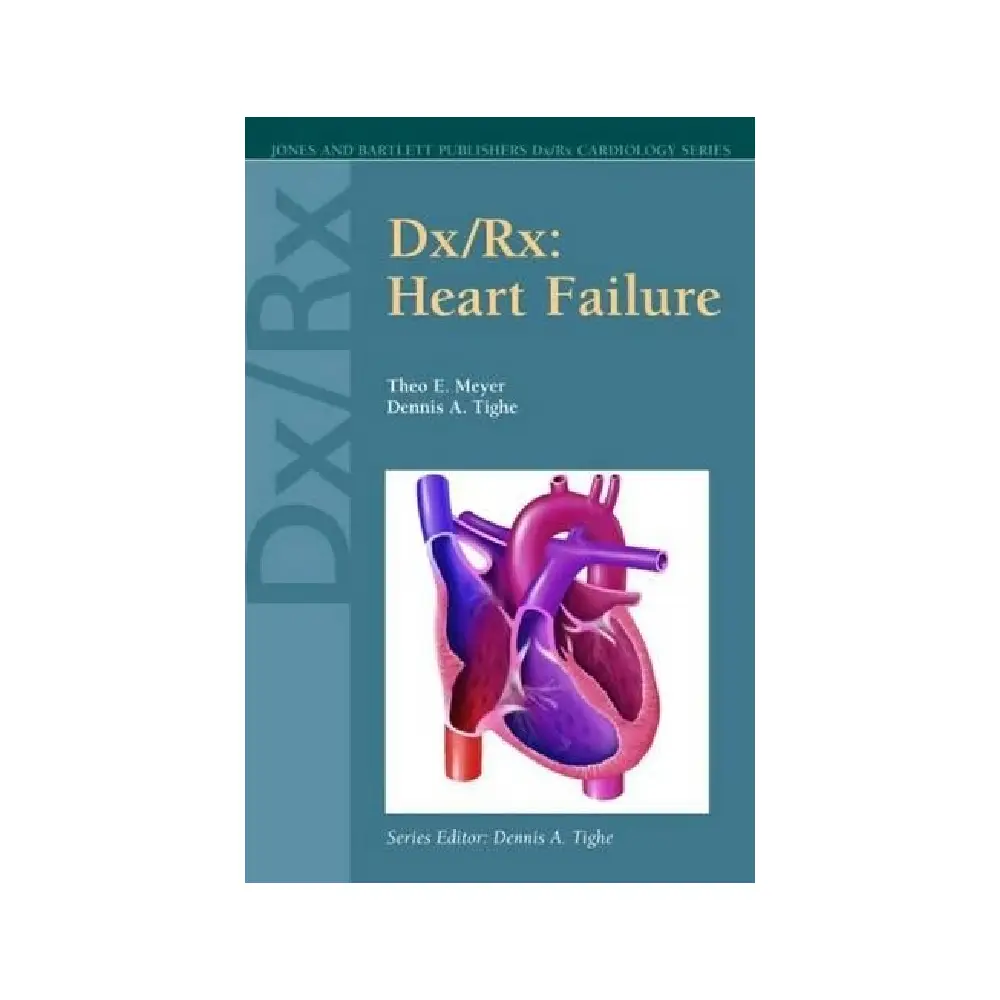

DX/RX: Heart Failure is a specialized clinical reference resource focusing on the diagnosis and treatment of heart failure within the broader DX/RX Cardiology series published by Jones and Bartlett Publishers. The book is designed primarily for healthcare professionals, including cardiologists, internists, and medical trainees who require a quick yet comprehensive guide to managing heart failure in clinical practice. By combining diagnostic algorithms with therapeutic decision-making pathways, it serves as a practical companion for bedside medicine and outpatient cardiovascular care.
Heart failure is a complex clinical syndrome characterized by the heart’s inability to pump sufficient blood to meet the body’s metabolic demands. The book emphasizes evidence-based approaches to recognizing early signs and symptoms of heart failure, which is essential for preventing disease progression and reducing hospitalizations. It covers both systolic and diastolic dysfunction, highlighting the importance of understanding underlying pathophysiology. Special attention is given to the differentiation between acute and chronic heart failure presentations, allowing clinicians to respond appropriately in emergency and routine care settings.
A major strength of the book is its structured diagnostic framework. It discusses the role of history taking, physical examination, and laboratory investigations in confirming heart failure. Clinical features such as dyspnea, fatigue, peripheral edema, and exercise intolerance are explored in detail. The text also explains the significance of biomarkers like natriuretic peptides in evaluating cardiac function and guiding treatment decisions. Imaging modalities such as echocardiography are described as essential tools for assessing ventricular function, ejection fraction, and structural abnormalities.
The management section provides clear therapeutic algorithms that help clinicians tailor treatment according to disease severity and patient characteristics. Pharmacological therapy is discussed extensively, including the use of angiotensin-converting enzyme inhibitors, beta blockers, diuretics, and mineralocorticoid receptor antagonists. The book explains how these medications improve cardiac output, reduce fluid overload, and enhance patient survival. It also addresses newer pharmacological agents that have shown promise in improving outcomes in heart failure patients.
Non-pharmacological management strategies are another important aspect of the book. Lifestyle modification, dietary sodium restriction, and physical activity recommendations are presented as integral components of comprehensive heart failure care. Patient education is emphasized as a critical factor in preventing disease exacerbation. The text highlights the importance of monitoring body weight, recognizing early warning symptoms, and ensuring medication adherence.
The book also covers advanced heart failure management options for patients who do not respond adequately to conventional therapy. Device-based treatments such as implantable cardioverter-defibrillators and cardiac resynchronization therapy are discussed. In addition, the role of mechanical circulatory support systems and heart transplantation is briefly introduced, providing readers with insight into specialized cardiac care options.
Another valuable feature of the book is its focus on clinical decision-making in real-world settings. Flowcharts, tables, and summary boxes help simplify complex medical information and improve learning efficiency. The DX/RX format ensures that clinicians can quickly move from diagnosis to treatment planning, making it particularly useful in fast-paced clinical environments such as emergency departments and intensive care units.
The book also addresses special populations, including elderly patients, individuals with comorbid conditions, and those with lifestyle-related risk factors such as hypertension, diabetes mellitus, and obesity. Preventive cardiology principles are incorporated to help reduce the overall burden of heart failure in the population.
In summary, DX/RX: Heart Failure is a concise yet clinically valuable guide that bridges the gap between diagnostic assessment and therapeutic management of heart failure. Its practical orientation, evidence-based content, and easy-to-follow clinical pathways make it a useful resource for medical practitioners and students who want to improve their understanding of heart failure care. The book supports informed clinical judgment and promotes standardized, effective treatment approaches in cardiovascular medicine.


Reviews
There are no reviews yet