
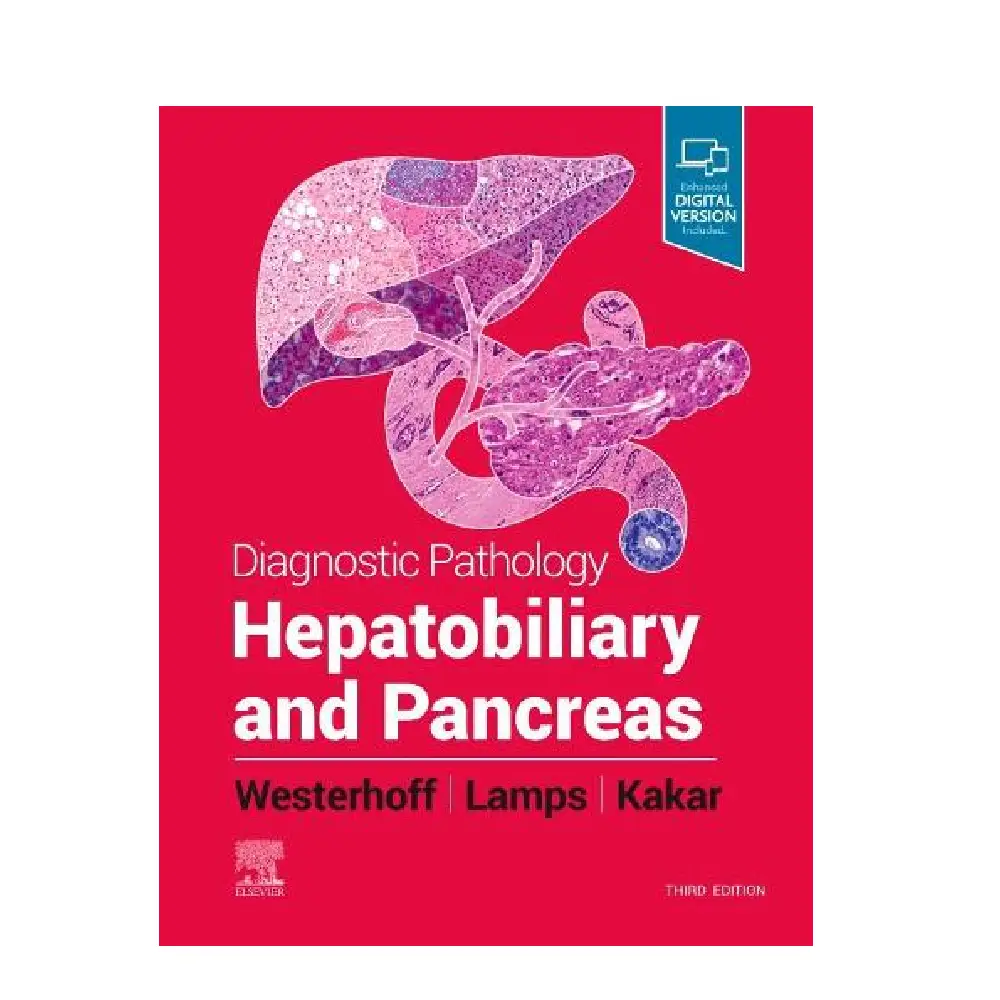


Diagnostic Pathology: Hepatobiliary and Pancreas
Diagnostic Pathology: Hepatobiliary and Pancreas is a comprehensive, richly illustrated reference designed to assist pathologists, gastroenterologists, hepatologists, surgeons, and trainees in accurately diagnosing diseases of the liver, gallbladder, bile ducts, and pancreas. These organs are integral to metabolism, digestion, and detoxification, but their pathology is diverse and often complex. The book bridges morphological features with clinical relevance, incorporating gross pathology, histopathology, immunohistochemistry, and molecular diagnostics to provide an integrated approach to disease identification and classification.
Anatomy and Function
Understanding normal anatomy and physiology is fundamental to recognizing disease. The hepatobiliary system includes the liver—composed of hepatocytes arranged in lobules with a unique dual blood supply from the portal vein and hepatic artery—the gallbladder, and a network of intra‑ and extrahepatic bile ducts. The pancreas has dual exocrine and endocrine functions: acinar cells produce digestive enzymes, while islet cells regulate glucose metabolism. Normal tissue architecture and cellular patterns are essential baselines against which pathological alterations are judged.
Hepatic Pathology
Non‑Neoplastic Diseases
Inflammatory and Infectious Hepatitis:
Chronic liver injury due to viruses (HBV, HCV), autoimmune hepatitis, alcoholic liver disease, and nonalcoholic steatohepatitis (NASH) produce patterns such as lobular and portal inflammation, ballooning degeneration, and interface hepatitis. Pathologists assess inflammatory infiltrates, hepatocyte degeneration, and fibrosis. Grading (activity) and staging (fibrosis) systems guide clinical management and prognosis.
Steatosis and Steatohepatitis:
Fat accumulation within hepatocytes is characteristic of metabolic syndrome and alcohol abuse. When accompanied by inflammation and hepatocellular ballooning, it constitutes steatohepatitis. Biopsy findings can range from simple steatosis to advanced fibrosis and cirrhosis.
Fibrosis and Cirrhosis:
Chronic injury leads to fibrous septa and regenerative nodules (cirrhosis). The extent and pattern of fibrosis have prognostic implications. Histologic scoring systems (e.g., METAVIR, Ishak) are widely used in clinical practice. Cirrhosis predisposes to portal hypertension and hepatocellular carcinoma (HCC).
Cholestatic Disorders:
Primary biliary cholangitis and primary sclerosing cholangitis are autoimmune disorders affecting bile ducts, leading to cholestasis, duct loss, and fibrosis. Pathological features include granulomatous inflammation (PBC) and concentric periductal fibrosis (PSC).
Neoplastic Diseases
Hepatocellular Carcinoma (HCC):
HCC arises in the setting of chronic liver disease. Morphologically, it demonstrates trabecular, pseudoglandular, or solid growth patterns. Immunohistochemistry (IHC) assists in differentiating HCC from metastatic carcinoma and cholangiocarcinoma. Markers such as HepPar‑1, Arginase‑1, and glypican‑3 are commonly employed.
Cholangiocarcinoma:
This bile duct carcinoma shows glandular differentiation with desmoplastic stroma. Intrahepatic, perihilar (Klatskin), and distal cholangiocarcinomas have distinct clinical and pathological features.
Benign Hepatic Tumors:
Hemangiomas, focal nodular hyperplasia (FNH), and hepatocellular adenomas are common benign lesions. Distinguishing features include vascular patterns (hemangiomas), central scar with radiating fibrous septa (FNH), and distinct molecular subtypes of adenomas with varying cancer risk.
Biliary Tract Pathology
Gallbladder diseases range from cholelithiasis and cholecystitis to gallbladder carcinoma. Chronic inflammation predisposes to dysplasia and carcinoma. Pathologic assessment includes dysplasia grading and extent of invasion, which are critical for staging and management.
Bile duct lesions include cholangiocarcinoma, benign strictures, and inflammatory conditions. Biopsy and cytology, often in conjunction with imaging, are essential for accurate diagnosis.
Pancreatic Pathology
Inflammatory Diseases
Acute Pancreatitis:
Histology shows interstitial edema, acinar cell necrosis, and variable inflammation. Severe cases exhibit fat necrosis and hemorrhage. Etiologies include gallstones, alcohol, hypertriglyceridemia, and medications.
Chronic Pancreatitis:
Characterized by fibrosis, loss of acini, and ductal changes. Chronic inflammation and fibrosis can lead to endocrine and exocrine insufficiency. Histologic grading of fibrosis helps correlate with clinical stage.
Neoplastic Diseases
Pancreatic Ductal Adenocarcinoma (PDAC):
The most common and lethal pancreatic malignancy, PDAC is characterized by infiltrating glands with marked desmoplastic stroma and early perineural invasion. Its differentiation, degree of desmoplasia, and margin status impact prognosis. IHC and molecular markers (e.g., KRAS, p16) provide diagnostic and therapeutic insights.
Pancreatic Neuroendocrine Tumors (PanNETs):
These tumors show nests of uniform cells with salt‑and‑pepper chromatin. Grading (based on Ki‑67 index and mitotic count) informs prognosis and treatment strategy. Functional PanNETs secrete hormones (e.g., insulin, gastrin), while nonfunctional tumors present due to mass effect.
Cystic Neoplasms:
Serous cystadenomas, mucinous cystic neoplasms (MCN), and intraductal papillary mucinous neoplasms (IPMN) have distinctive histologic features and varying malignant potential. IPMNs communicate with pancreatic ducts; MCNs often have ovarian‑type stroma. Pathologists assess dysplasia and invasion, essential for clinical management.
Diagnostic Techniques
Histopathology:
Routine hematoxylin and eosin (H&E) staining remains the cornerstone of diagnosis. Morphologic criteria define patterns of injury, neoplasia, and fibrosis.
Immunohistochemistry (IHC):
IHC refines differential diagnosis. For example, cytokeratin profiles distinguish cholangiocarcinoma from metastatic adenocarcinoma; HepPar‑1 and Arginase‑1 confirm hepatocellular origin; synaptophysin and chromogranin identify neuroendocrine tumors.
Molecular Diagnostics:
Genetic and molecular assays detect mutations (e.g., KRAS in PDAC), viral DNA/RNA (HBV, HCV), and gene expression profiles. These tools enhance classification, prognostication, and personalized therapy.
Special Stains:
Stains such as trichrome (fibrosis), PAS‑D (glycogen, fungi), iron, and reticulin highlight specific tissue components and disease features.
Clinical Correlation and Reporting
Accurate pathological diagnosis integrates morphological findings with clinical data, imaging, and laboratory results. Standardized reporting—particularly for malignancies—guides staging and therapy. For example, a hepatitis biopsy report includes grading and staging, while a PDAC report details tumor grade, lymphovascular invasion, margins, and lymph nodes.
Emerging Areas
Advances in digital pathology, artificial intelligence (AI), and next‑generation sequencing (NGS) are transforming diagnostics. These technologies increase accuracy, enable quantification of features like fibrosis and tumor burden, and facilitate predictive biomarker discovery.
Conclusion
Diagnostic Pathology: Hepatobiliary and Pancreas is an essential resource that marries detailed morphologic descriptions with modern diagnostic techniques and clinical context. Its emphasis on integrated diagnosis—combining histology, immunophenotyping, and molecular insights—ensures accurate disease classification, guides therapy, and ultimately improves patient outcomes in complex hepatobiliary and pancreatic diseases.





Reviews
There are no reviews yet