
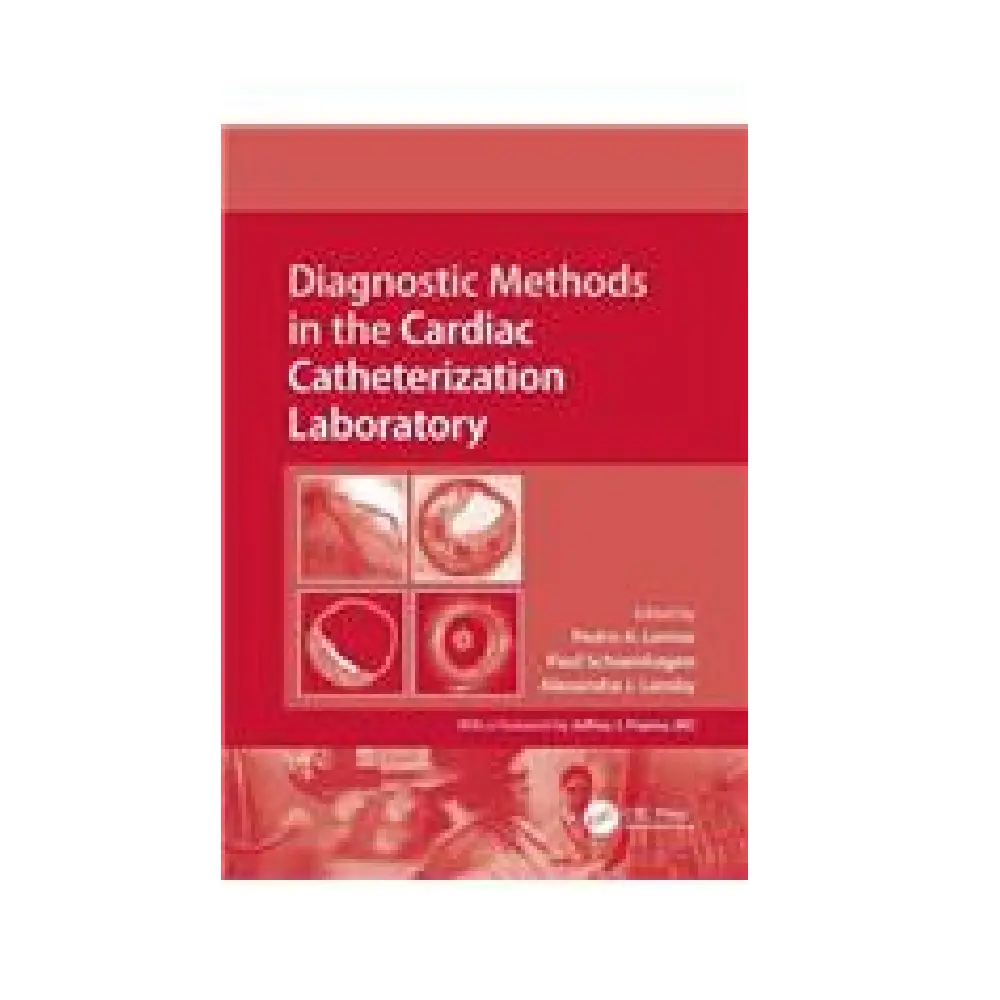


Diagnostic Methods in the Cardiac Catheterization Laboratory
The cardiac catheterization laboratory — often called a cath lab — is a specialized clinical setting equipped with advanced imaging and monitoring technology used by interventional cardiologists to diagnose cardiovascular disease, evaluate heart function, and often perform treatments in the same session.
Diagnostic procedures in the cath lab provide detailed information about heart structure, blood vessel anatomy, and hemodynamics (blood flow and pressure). These methods help clinicians confirm suspected disease, plan treatments, and assess how severe a condition is, often in real time.
1. Coronary Angiography
Coronary angiography remains the cornerstone of diagnostic evaluation in the cath lab. In this technique, a catheter is guided, usually via the femoral or radial artery, to the coronary arteries. A radiopaque contrast dye is injected while X‑ray imaging (fluoroscopy) captures real‑time images of blood flow through the vessels.
These images reveal areas of stenosis (narrowing), occlusion, or irregular vessel anatomy — crucial for diagnosing coronary artery disease (CAD). Because the procedure gives a high‑resolution, dynamic view of coronary circulation, clinicians can accurately determine the severity of blockages and whether interventional treatment is needed.
In addition to coronary arteries, angiography can be adapted to visualize the aorta, pulmonary arteries, and other vascular territories when needed.
2. Hemodynamic Measurements and Heart Chamber Pressures
While imaging reveals vessel anatomy, the cath lab also allows direct measurement of pressures inside the heart chambers and major vessels. By placing pressure‑sensitive catheters in different areas (e.g., right atrium, left ventricle), clinicians assess cardiac function in ways that noninvasive tests cannot.
Measuring these pressures helps detect conditions such as heart failure, valve dysfunction, pulmonary hypertension, and shunts (abnormal flow between chambers). These data are essential when planning surgeries or interventions and interpreting how the heart performs under different physiological loads.
3. Intravascular Ultrasound (IVUS)
Intravascular ultrasound (IVUS) provides imaging from inside the vessel. A miniature ultrasound probe mounted on the catheter tip is advanced into the coronary artery, offering cross‑sectional images of the vessel wall that conventional X‑ray angiography cannot show.
IVUS helps quantify the extent and composition of plaque, assess vessel size, and guide stent placement — particularly in complex lesions where angiography alone might be inadequate. It also assists in diagnosing subtle conditions like dissections or assessing the adequacy of stent deployment and expansion.
4. Optical Coherence Tomography (OCT)
Optical coherence tomography is another intravascular imaging modality that uses light rather than ultrasound. It produces high‑resolution images that allow clinicians to look in even greater detail at vessel walls and plaque morphology than IVUS, albeit at shallower penetration depth.
OCT is particularly useful for evaluating stent apposition (whether the stent is properly integrated against the artery wall) and for detecting features that may indicate plaque vulnerability — areas prone to rupture and acute events.
5. Fractional Flow Reserve (FFR)
Fractional flow reserve (FFR) is a specialized physiological diagnostic technique performed during coronary angiography. It measures the difference in blood pressure across a coronary lesion to determine whether the narrowing significantly impedes blood flow. An FFR value below a certain threshold (e.g., 0.80) suggests functional ischemia and the need for intervention.
Unlike angiography, which shows anatomical narrowing, FFR measures functional significance — i.e., whether a lesion actually reduces blood supply to the heart muscle — making it critical in decision‑making for borderline blockages.
6. Endomyocardial Biopsy
In some diagnostic situations, especially when evaluating cardiomyopathy, transplant rejection, or infiltrative diseases, catheters may be used to perform an endomyocardial biopsy. A small instrument called a bioptome collects tiny samples of heart muscle tissue for pathological analysis.
This invasive technique provides definitive histological diagnosis in conditions that imaging alone cannot fully characterize. While less common than other diagnostic methods, it is a powerful tool when specific tissue diagnosis is needed.
7. Electrophysiology Study
Although often considered part of a specialized electrophysiology lab, electrophysiology studies (EP studies) may be conducted in the cath lab environment. Electrodes positioned within the heart record its electrical activity to identify the origins of arrhythmias and determine the best treatment — often followed by ablation.
This diagnostic method helps differentiate complex rhythm disorders and estimate risk for sudden cardiac events.
Emerging and Advanced Techniques
Beyond traditional diagnostics, cath labs increasingly incorporate 3D imaging, rotational angiography (3D X‑ray imaging), and hybrid imaging modalities that combine functional and anatomical insights, enabling more sophisticated evaluations in complex cases.
Conclusion
Diagnostic methods in the cardiac catheterization laboratory form a suite of powerful tools that provide in‑depth information about the heart’s structure, function, and blood flow dynamics. From coronary angiography and pressure measurements to advanced imaging methods like IVUS, OCT, and FFR, these techniques allow clinicians to detect disease with precision, tailor interventions, and improve patient outcomes. As technology advances, cath lab diagnostics continue to evolve, bridging the gap between anatomy, physiology, and personalized cardiovascular care.





Reviews
There are no reviews yet