
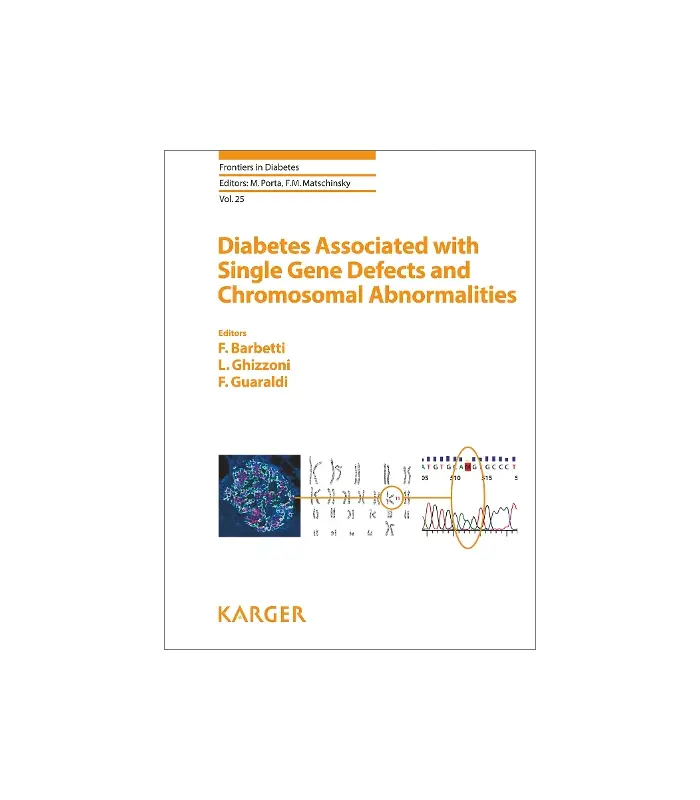

Diabetes Associated with Single Gene Defects and Chromosomal Abnormalities 1st ed
Diabetes Associated with Single Gene Defects and Chromosomal Abnormalities is a comprehensive medical reference that explores rare and genetically defined forms of diabetes resulting from mutations in single genes and from chromosomal abnormalities. Unlike the more common polygenic forms such as type 1 and type 2 diabetes, these conditions arise from specific genetic defects that directly disrupt insulin production, insulin secretion, or insulin action. This book provides a detailed and clinically focused overview of these unique disorders, emphasizing their genetic basis, diagnostic challenges, and implications for personalized patient care.
The volume begins by explaining the fundamental differences between monogenic diabetes and multifactorial diabetes. It highlights how advances in molecular genetics have transformed the understanding of diabetes heterogeneity, allowing clinicians to move beyond symptom-based classification toward genetically defined diagnoses.
A major focus of the book is monogenic diabetes caused by single gene defects, particularly maturity-onset diabetes of the young (MODY). The text systematically reviews the most important MODY subtypes, including those caused by mutations in HNF1A, HNF4A, GCK, and HNF1B. Each subtype is discussed in terms of its molecular mechanisms, inheritance patterns, age of onset, and characteristic clinical features. The book clearly explains how defects in transcription factors and glucose-sensing pathways impair pancreatic β-cell function, leading to hyperglycemia. Importantly, it emphasizes how genetic diagnosis can guide therapy, such as the use of sulfonylureas instead of insulin in selected MODY forms, improving patient outcomes and quality of life.
In addition to MODY, the book covers other single gene defects associated with neonatal and early-onset diabetes. These include mutations in genes such as KCNJ11 and ABCC8, which affect ATP-sensitive potassium channels in β-cells, and INS gene mutations that impair insulin synthesis. The text describes how these defects can present as permanent or transient neonatal diabetes and discusses modern treatment approaches, including the successful use of oral sulfonylureas in many patients previously thought to require lifelong insulin therapy.
Another key section is dedicated to diabetes associated with chromosomal abnormalities. The book examines how large-scale genetic changes, such as deletions, duplications, and aneuploidies, contribute to disordered glucose metabolism. Conditions such as Turner syndrome, Down syndrome, and Prader–Willi syndrome are explored in detail. The text explains the complex interplay between chromosomal imbalance, insulin resistance, β-cell dysfunction, obesity, and hormonal abnormalities that predispose individuals with these syndromes to diabetes. Clinical features, screening recommendations, and management strategies specific to these populations are clearly outlined.
Why Buy This Book?
- Comprehensive Coverage of Genetic Diabetes
Covers monogenic diabetes, chromosomal abnormalities, and rare genetic syndromes associated with diabetes in a single authoritative reference. - Authored by International Experts
Written and edited by leading endocrinologists and geneticists, providing evidence-based, clinically relevant information for modern practice. - Focus on Precision Medicine
Explains how genetic diagnosis can influence treatment decisions, prognosis, and personalized diabetes management, including conditions such as MODY and neonatal diabetes. - Covers Rare and Complex Disorders
Includes detailed discussions on neonatal diabetes, Wolfram syndrome, mitochondrial diabetes, insulin resistance syndromes, chromosomal disorders (such as Trisomy 21 and Prader-Willi syndrome), and other inherited conditions linked to diabetes. - Excellent Resource for Research and Clinical Practice
Ideal for understanding the molecular basis, genetics, diagnosis, and management of uncommon forms of diabetes encountered in pediatric and adult endocrinology. - Perfect for Specialists and Advanced Learners
Recommended for endocrinologists, diabetologists, pediatricians, medical geneticists, researchers, fellows, postgraduate students, and academic libraries seeking an advanced reference on genetic diabetes.








Reviews
There are no reviews yet