
Core Concept and Purpose
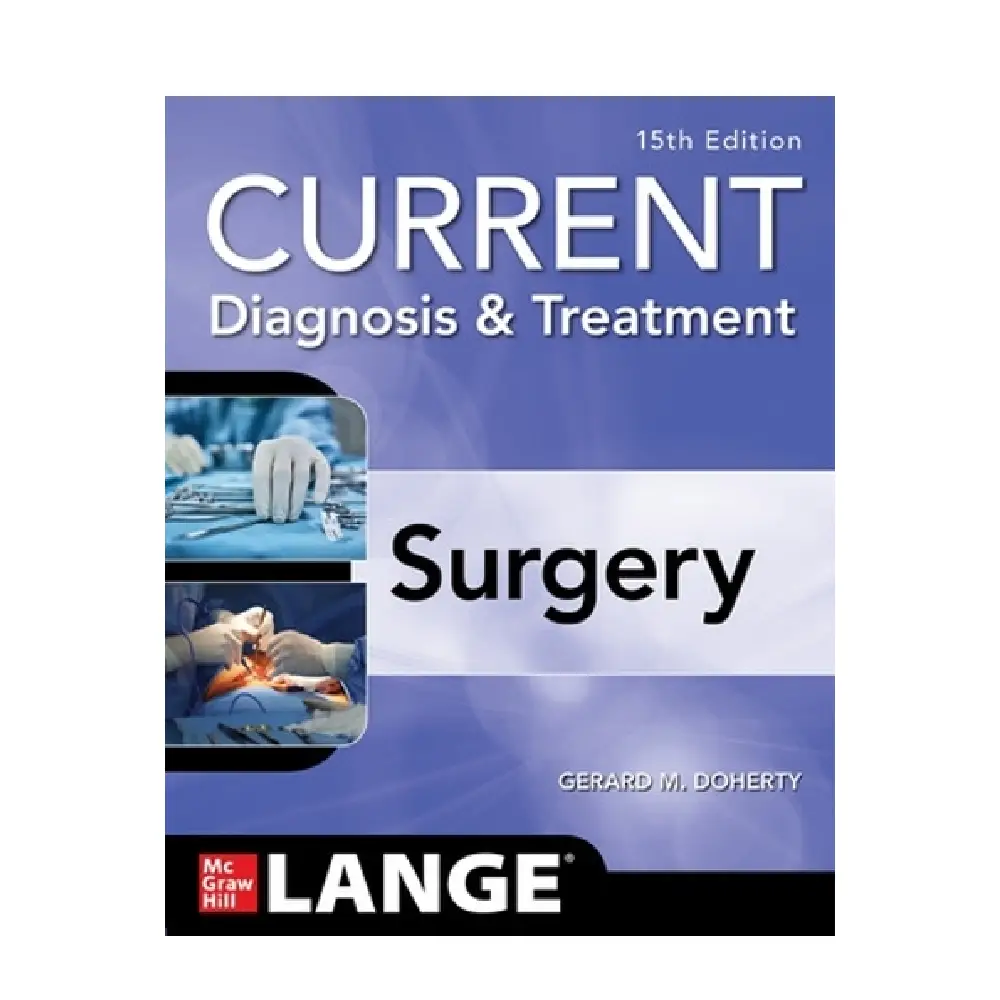
Current Diagnosis and Treatment Surgery is designed to offer up-to-date, evidence-based information on the diagnosis and management of surgical conditions encountered in clinical practice. It serves as both a reference guide and a study resource, helping learners and clinicians quickly access authoritative guidance on disease processes, operative decision-making, and perioperative care.
Unlike detailed subspecialty surgical texts that focus narrowly, this book spans the breadth of general surgery and its subspecialties, making it valuable for broad clinical training and practice.
Authorship and Editorial Leadership
The textbook is edited by Gerard M. Doherty, a distinguished surgeon who has served as Surgeon-in-Chief at Brigham Health and the Dana-Farber Cancer Institute and holds the Moseley Professorship of Surgery at Harvard Medical School. Under his leadership, the book is a compilation of expertise from a large team of surgical specialists, offering a reliable, multidisciplinary view of modern surgical care.
Organization and Coverage
The structure of the book is both logical and clinically oriented, with chapters organized by organ systems and surgical themes, beginning with fundamental surgical principles and progressing into specific surgical diseases and conditions.
1. Foundational Surgical Principles
Early chapters orient readers to the practice of surgery, including:
-
Approach to the surgical patient
-
Training, communication, and professionalism
-
Preoperative preparation and risk assessment
-
Postoperative care and minimalization of complications
These sections emphasize structured patient care pathways and systems-based practice essential for quality surgical outcomes.
2. Core Surgical Concepts
The book then reviews central concepts in surgical care:
-
Wound healing
-
Inflammation and infection control
-
Fluid, electrolyte, and metabolic management
-
Anesthesia and critical care principles
These foundational topics are crucial for understanding normal postoperative recovery processes as well as identifying and managing complications.
3. Organ-Based and Subspecialty Surgery
A major strength of Current Diagnosis and Treatment Surgery is its comprehensive coverage of organ systems and surgical subdisciplines. Chapters typically include:
-
Head and neck surgery
-
Breast, thyroid, and parathyroid disease
-
Thoracic and pulmonary surgery
-
Gastrointestinal tract including liver, pancreas, and biliary systems
-
Endocrine, vascular, and transplant surgery
-
Urology, orthopedics, and gynecologic surgery
-
Plastic, reconstructive, and pediatric surgery
Each section provides etiology, clinical presentation, diagnostic workup, and evidence-based treatment strategies, integrating general surgical principles with specific procedural and therapeutic considerations.
4. Special Topics
Beyond traditional surgical subjects, the book also includes sections on:
-
Shock and acute pulmonary failure
-
Management of trauma patients
-
Burns and thermal injuries
-
Surgical oncology and oncology care pathways
-
Weight management surgery and metabolic procedures
These chapters reflect modern surgical practice, where multidisciplinary care and management of complex comorbid conditions are integral.
Key Features
Evidence-Based Treatment Algorithms
The book includes detailed treatment algorithms that help clinicians proceed logically from diagnosis through definitive care — important for rapid decision-making in acute and chronic conditions.
Comprehensive Illustrations and Images
With 600+ photographs and illustrations, visual guidance enhances understanding of operative anatomy, surgical techniques, and clinical presentations.
Clinical Review Questions
Many chapters end with multiple-choice review questions, useful for exam preparation, particularly for surgical boards, shelf exams, and in-training assessments.
Point-of-Care Utility
The layout and formatting emphasize easy navigation, making this text valuable not just for study but also as a reference in clinical settings like rounds or on call.
Educational Value
Current Diagnosis and Treatment Surgery bridges the gap between detailed academic surgical textbooks and day-to-day clinical needs. It allows students and residents to grasp both the big picture of surgical decision-making and the fine details of disease management. Its evidence-based approach ensures recommendations are aligned with contemporary standards of surgical care.
For practicing surgeons, it functions as a comprehensive refresher and point-of-care guide, while for trainees, it supports learning with structured summaries, review questions, and clearly laid out chapters that correlate with surgical curricula.
Conclusion
Current Diagnosis and Treatment Surgery stands as a foundational surgical textbook that combines extensive coverage of surgical diseases with clear, evidence-based guidance. Whether used for exam preparation, clinical reference, or personal study, its comprehensive yet accessible format makes it indispensable in the surgical literature. With contributions from expert surgeons and a focus on practical application, it remains one of the most respected and widely used texts in surgical education and clinical practice.

Reviews
There are no reviews yet