
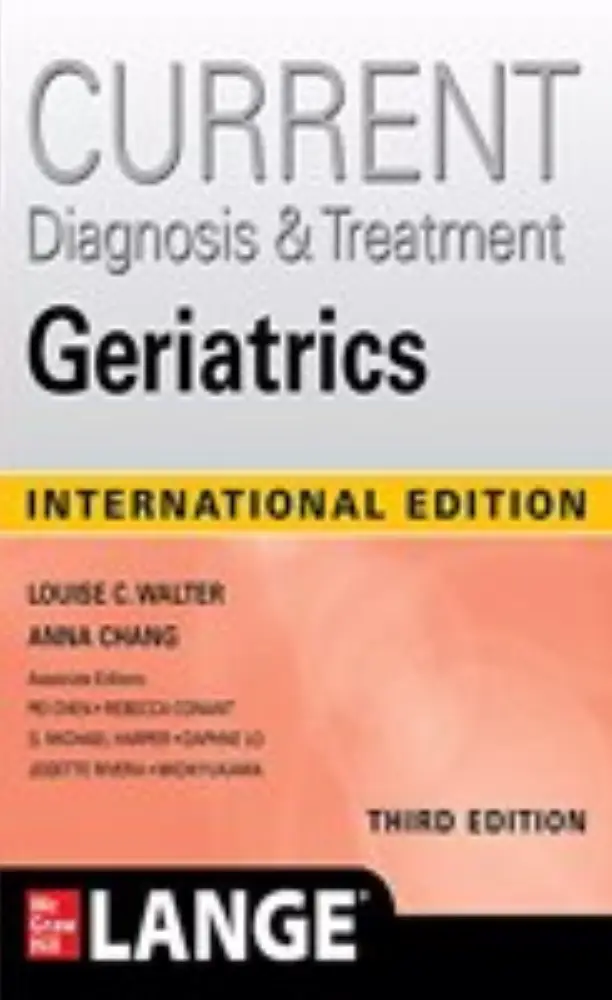


Current Diagnosis and Treatment: Geriatrics, 3rd Ed
Current Diagnosis and Treatment: Geriatrics, 3rd Edition is a comprehensive and practical resource that focuses on the medical care of older adults. Designed for medical students, residents, and practicing clinicians, the book provides evidence-based guidance on diagnosing and managing health conditions commonly seen in the elderly population. As the global population ages, the importance of geriatric medicine continues to grow, making this text highly relevant in modern healthcare.
The book begins by addressing the fundamental principles of geriatric medicine. Aging is associated with physiological changes that affect nearly every organ system. These changes can alter the presentation, progression, and response to treatment of diseases. The text explains how aging impacts pharmacokinetics, immune function, and organ reserve, helping clinicians tailor their approach to older patients.
A key feature of the book is its focus on comprehensive geriatric assessment (CGA). This multidimensional evaluation includes medical, psychological, functional, and social aspects of a patient’s health. By using CGA, clinicians can develop individualized care plans that address not only diseases but also quality of life, independence, and overall well-being. The book highlights tools and strategies for assessing cognition, mobility, nutrition, and mental health.
The management of common geriatric syndromes is a central theme. These syndromes, such as falls, frailty, delirium, dementia, incontinence, and pressure ulcers, are often multifactorial and require a holistic approach. The text provides detailed guidance on identifying risk factors, diagnosing underlying causes, and implementing effective management strategies. Preventive care is emphasized to reduce complications and improve patient outcomes.
Chronic diseases are extensively covered, as older adults often have multiple coexisting conditions. The book discusses the management of cardiovascular diseases, diabetes, respiratory disorders, musculoskeletal conditions, and neurological illnesses in the context of aging. It emphasizes balancing treatment benefits with potential risks, especially considering polypharmacy and increased sensitivity to medications.
Medication management is another important focus. Polypharmacy, or the use of multiple medications, is common in elderly patients and can lead to adverse drug reactions and interactions. The book outlines principles for safe prescribing, including dose adjustments, medication review, and deprescribing when appropriate. It also introduces tools such as the Beers Criteria, which help identify potentially inappropriate medications for older adults.
Mental health in older adults is addressed in detail. Conditions such as depression, anxiety, and cognitive disorders are common but often underdiagnosed. The book provides practical approaches to screening, diagnosis, and treatment, highlighting the importance of early recognition and intervention. It also discusses the impact of social isolation and the role of family and caregivers in supporting mental health.
Another important aspect is end-of-life care and palliative medicine. The book emphasizes the need for compassionate, patient-centered care that respects individual preferences and values. Topics such as advance care planning, pain management, and ethical decision-making are explored, helping clinicians provide appropriate care during the final stages of life.
The text also highlights interdisciplinary care, recognizing that geriatric patients often require input from a team of healthcare professionals, including physicians, nurses, social workers, physiotherapists, and occupational therapists. Effective collaboration improves patient outcomes and ensures comprehensive care.
The third edition reflects current clinical guidelines and advances in geriatric medicine. It incorporates updated recommendations for disease management, preventive care, and healthcare delivery. The format is user-friendly, with concise chapters, tables, and clinical summaries that facilitate quick reference in clinical settings.
In conclusion, Current Diagnosis and Treatment: Geriatrics, 3rd Edition is an essential resource for understanding the complexities of caring for older adults. By combining scientific knowledge with practical guidance, it equips healthcare professionals to provide effective, safe, and compassionate care to the aging population.





Reviews
There are no reviews yet