

Complexities in Liver Transplantation
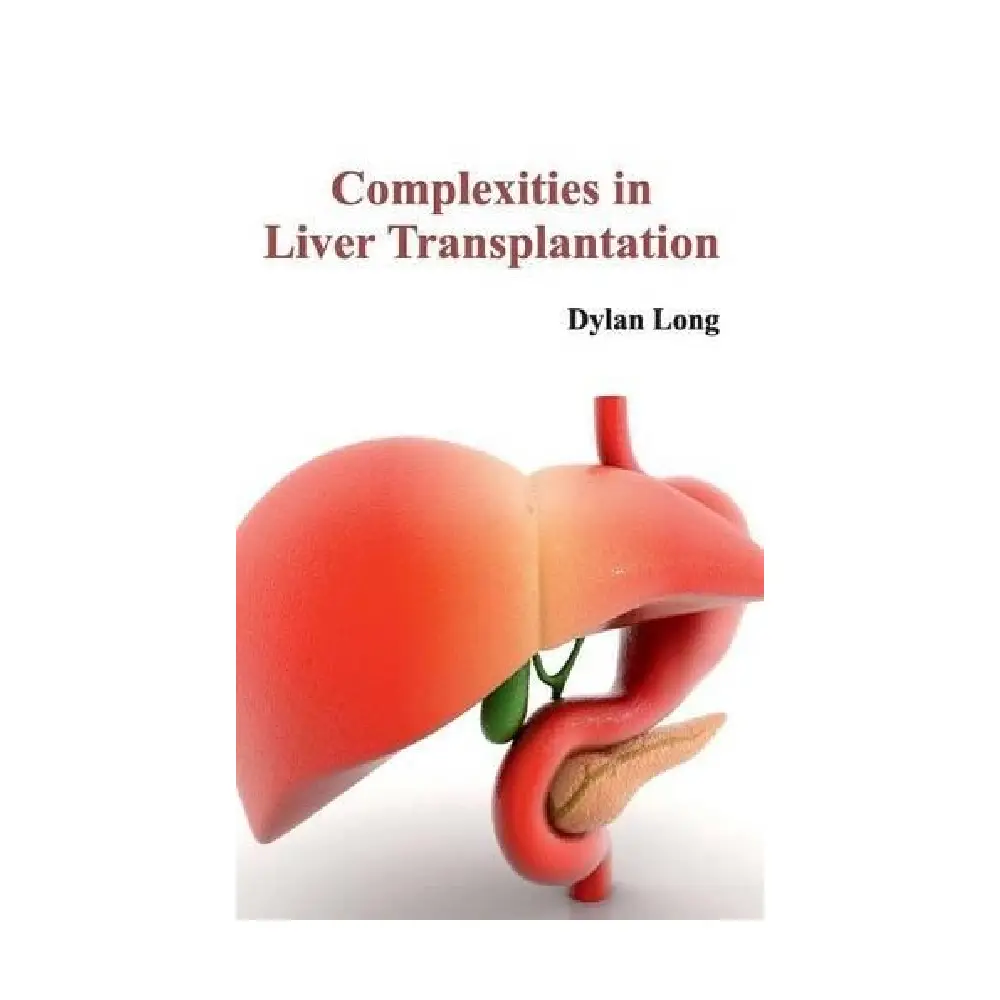
Complexities in Liver Transplantation is a comprehensive medical reference that explores the scientific, surgical, ethical, and clinical challenges associated with liver transplantation. As one of the most advanced and resource-intensive procedures in modern medicine, liver transplantation demands multidisciplinary expertise, meticulous surgical precision, and long-term patient management. This book provides an in-depth examination of the multifaceted issues that arise before, during, and after transplantation, making it a valuable resource for transplant surgeons, hepatologists, anesthesiologists, intensivists, and trainees in advanced surgical and medical specialties.
The book begins by outlining the historical evolution of liver transplantation, tracing its development from an experimental procedure with high mortality to a life-saving standard therapy for end-stage liver disease. It discusses the scientific breakthroughs that improved graft survival, including advances in immunosuppressive therapy, organ preservation techniques, and perioperative critical care. Understanding this evolution helps readers appreciate both the progress achieved and the persistent challenges that remain.
A central focus of the text is patient selection and evaluation. Liver transplantation is indicated in conditions such as cirrhosis, acute liver failure, hepatocellular carcinoma, metabolic liver diseases, and certain congenital disorders. The book carefully explains the criteria used to prioritize patients, including scoring systems such as MELD (Model for End-Stage Liver Disease). It explores the ethical dilemmas involved in organ allocation, emphasizing fairness, urgency, and long-term outcomes. The scarcity of donor organs creates significant challenges, and the book provides thoughtful discussion on balancing equity and utility in transplantation policies.
Donor-related complexities are another major theme. The text reviews deceased donor and living donor transplantation, highlighting the surgical and ethical considerations unique to each. Living donor liver transplantation introduces additional challenges, including donor safety, graft size matching, and postoperative complications. The book explains techniques such as split-liver transplantation and extended criteria donor usage, which aim to expand the donor pool but may increase surgical and postoperative risks.
The surgical procedure itself is described in detailed, step-by-step fashion. Topics include recipient hepatectomy, vascular anastomosis, biliary reconstruction, and strategies to manage intraoperative bleeding. Given the liver’s extensive vascular supply and the fragile condition of many recipients, the procedure is technically demanding. The book examines common intraoperative challenges such as massive transfusion, hemodynamic instability, and reperfusion syndrome. It also discusses innovations in surgical technique that have improved outcomes over time.
Postoperative care and complications form a substantial portion of the text. Early complications such as primary graft non-function, vascular thrombosis, biliary leaks, and infections are examined thoroughly. The book provides insight into diagnostic strategies, imaging modalities, and interventional treatments required to address these problems promptly. It also addresses long-term complications, including chronic rejection, recurrence of original liver disease, metabolic disorders, renal dysfunction, and malignancy.
Immunology plays a crucial role in liver transplantation, and the book delves deeply into immune tolerance, rejection mechanisms, and immunosuppressive therapy. It explains the pharmacology, benefits, and adverse effects of commonly used agents such as calcineurin inhibitors, corticosteroids, and newer biologic therapies. Balancing adequate immunosuppression while minimizing infection risk and drug toxicity remains a persistent challenge, and the book provides evidence-based strategies to optimize therapy.
Special populations receive dedicated attention. Pediatric liver transplantation presents unique anatomical, physiological, and developmental considerations. The book discusses congenital biliary atresia, metabolic disorders, and technical adaptations required for small recipients. It also addresses transplantation in patients with coexisting conditions such as HIV infection, renal failure, or advanced age, exploring how these factors influence outcomes and management strategies.
Another important area covered is the recurrence of liver diseases after transplantation. Conditions such as hepatitis B, hepatitis C, autoimmune hepatitis, and hepatocellular carcinoma can recur in the transplanted liver. The book examines preventive strategies, antiviral therapies, and surveillance protocols to reduce recurrence risk and improve long-term graft survival.
In addition to clinical aspects, Complexities in Liver Transplantation considers psychosocial and ethical dimensions. It emphasizes the importance of psychological assessment, adherence to lifelong medication, and social support systems. The emotional burden on patients and families, as well as the ethical considerations surrounding consent and organ donation, are discussed with sensitivity and depth.
The book also explores emerging trends and future directions. Topics such as machine perfusion technology, regenerative medicine, xenotransplantation, and tolerance-inducing therapies are examined as potential solutions to current limitations. Advances in minimally invasive surgery and improved biomarker monitoring are presented as promising developments in the field.
Overall, Complexities in Liver Transplantation provides a thorough and balanced exploration of one of the most demanding areas in modern medicine. By integrating surgical technique, immunology, ethics, and long-term patient care, the book serves as both an educational resource and a practical guide. Its detailed discussions and multidisciplinary perspective make it an essential reference for clinicians and researchers dedicated to improving outcomes in liver transplantation.





Reviews
There are no reviews yet