
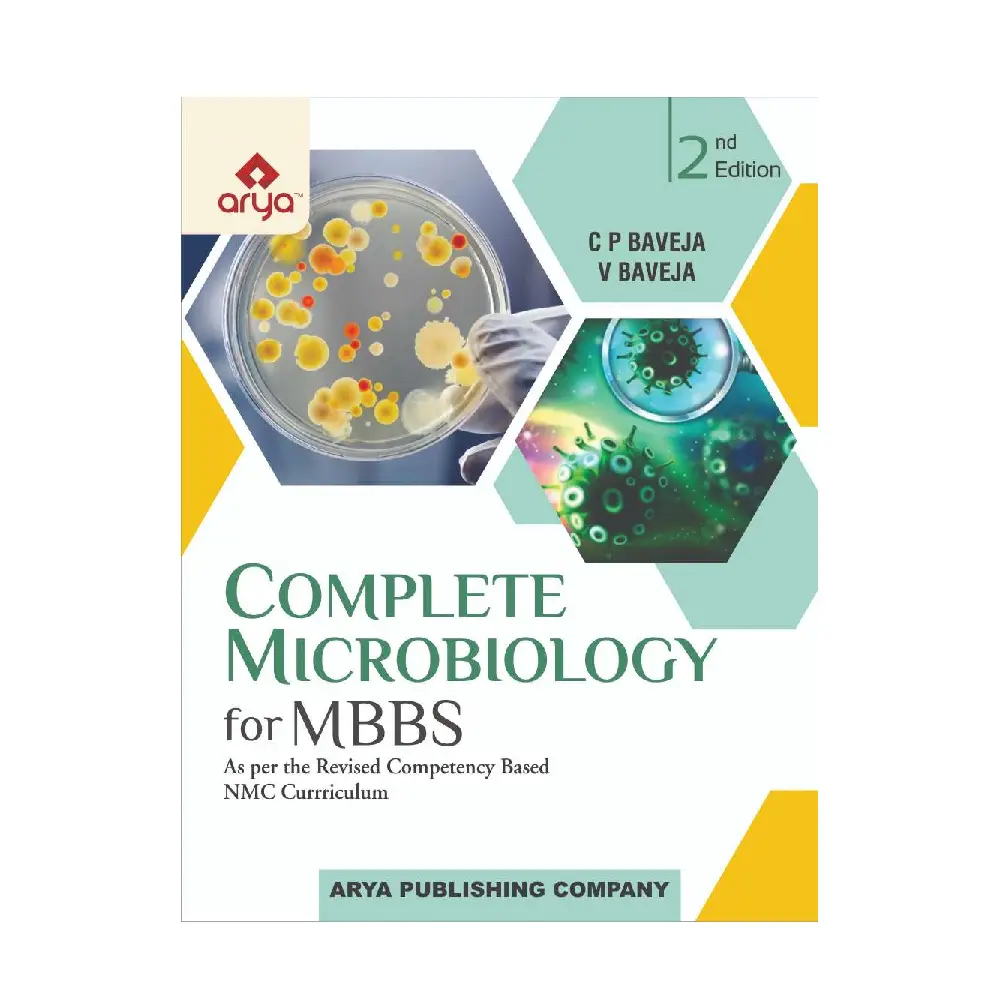
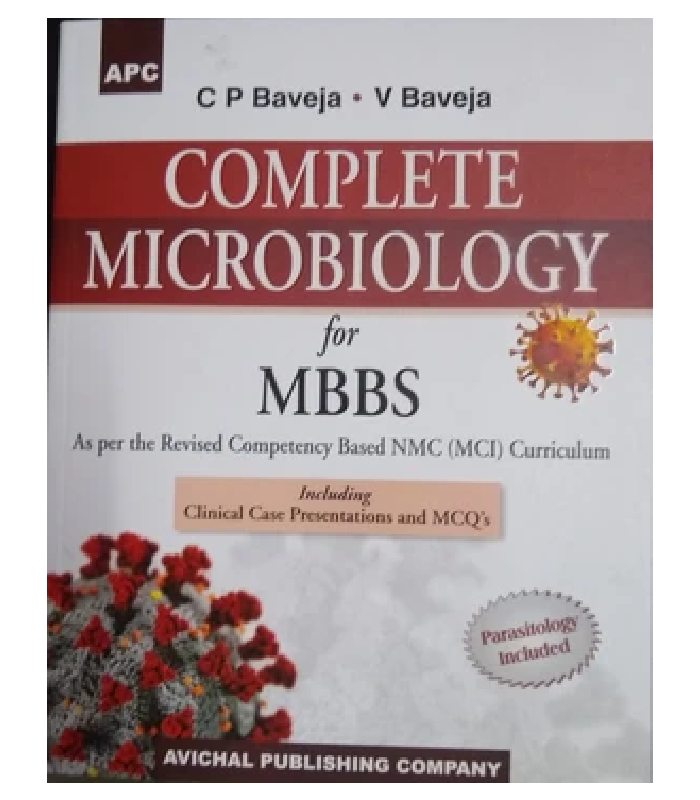
Complete Microbiology Book for MBBS Students: Comprehensive Study Guide (2nd Edition) is a thoroughly structured and exam-oriented textbook designed to meet the needs of undergraduate medical students. The second edition builds upon foundational microbiology concepts while incorporating updated clinical guidelines, revised classifications, and emerging infectious diseases relevant to modern medical practice. It serves as both a detailed learning resource and a quick revision guide for university examinations and competitive entrance tests.
The book begins with General Microbiology, introducing the history and scope of microbiology along with the contributions of pioneers such as Louis Pasteur and Robert Koch. It covers the structure and classification of microorganisms including bacteria, viruses, fungi, parasites, and prions. Fundamental concepts such as microbial growth, nutrition, metabolism, genetics, mutation, and mechanisms of pathogenicity are explained in a systematic and simplified manner. The second edition includes updated content on molecular diagnostics, polymerase chain reaction (PCR), and advances in genomic techniques used in identifying pathogens.
A strong emphasis is placed on Immunology, an essential foundation for understanding host-pathogen interactions. The book clearly explains innate and adaptive immunity, antigen-antibody reactions, hypersensitivity reactions, autoimmunity, and immunodeficiency disorders. It discusses vaccination principles, types of vaccines, cold chain maintenance, and national immunization schedules. The updated edition incorporates information on recent vaccine developments and emerging viral infections.
The Systematic Bacteriology section forms a major part of the book. It presents clinically important bacteria under standardized headings such as morphology, culture characteristics, virulence factors, pathogenesis, clinical features, laboratory diagnosis, treatment, and prevention. Organisms such as Staphylococcus, Streptococcus, Mycobacterium tuberculosis, Escherichia coli, Salmonella, Vibrio cholerae, and Neisseria species are discussed comprehensively. Special attention is given to antimicrobial resistance mechanisms, including MRSA, ESBL-producing organisms, and carbapenem-resistant bacteria, which are critical topics for MBBS students.
The Virology section provides detailed coverage of DNA and RNA viruses of medical importance. Topics include Herpesviruses, Hepatitis viruses, Influenza virus, Dengue virus, Rabies virus, and Human Immunodeficiency Virus (HIV). The second edition incorporates updated information on pandemic preparedness and emerging viral infections. Clinical correlations, diagnostic approaches, and preventive strategies are highlighted to enhance understanding.
In the Mycology section, medically important fungi such as Candida, Aspergillus, Cryptococcus, and dermatophytes are discussed. The book explains opportunistic fungal infections, especially in immunocompromised patients. Diagnosis through microscopy, culture, and serological methods is clearly described.
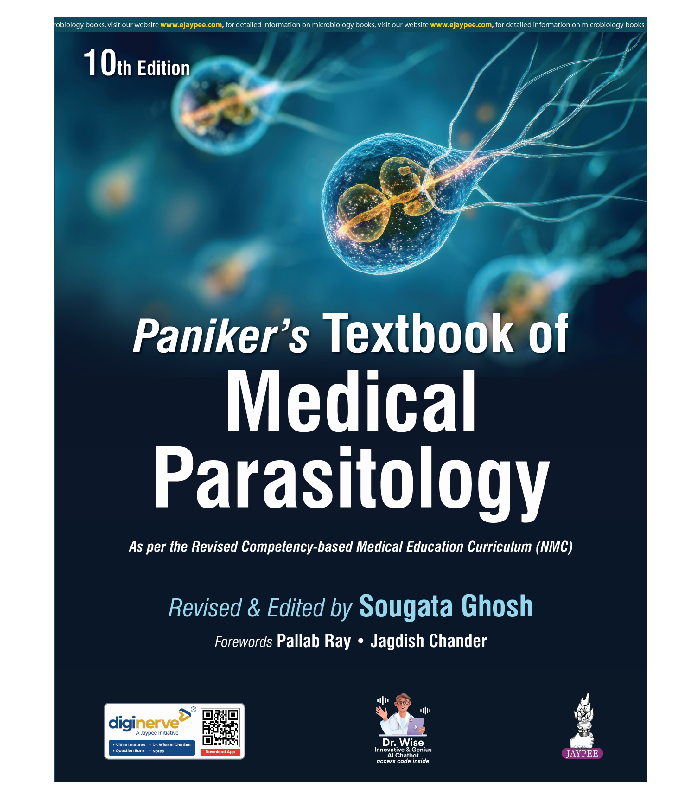
The Parasitology section covers protozoa and helminths of medical relevance, including Plasmodium, Entamoeba histolytica, Giardia lamblia, Taenia species, and Wuchereria bancrofti. Life cycles are illustrated with diagrams to simplify complex developmental stages. Clinical manifestations, laboratory diagnosis, treatment protocols, and prevention strategies are included for each parasite.
A distinctive feature of this comprehensive guide is its strong focus on Laboratory Diagnosis. The book explains specimen collection, transport, staining techniques (Gram stain, Ziehl–Neelsen stain), culture media, biochemical reactions, serological tests, and molecular methods. This practical orientation helps students understand how laboratory findings correlate with clinical cases.
The 2nd edition also includes an expanded section on Hospital Infection Control and Biomedical Waste Management, emphasizing standard precautions, sterilization methods, disinfection protocols, and outbreak management. Antimicrobial stewardship programs and rational drug use are discussed in detail to address the growing challenge of antibiotic resistance.
Learning aids are a major strength of this guide. It contains flowcharts, tables, colored diagrams, summary boxes, and high-yield points for quick revision. Many chapters include multiple-choice questions (MCQs), short-answer questions, long-answer questions, and case-based discussions tailored to MBBS examination patterns. The structured layout makes it suitable for both first-time learning and last-minute revision before exams.
Overall, Complete Microbiology Book for MBBS Students: Comprehensive Study Guide (2nd Edition) is an essential academic resource that bridges theory with clinical application. It equips MBBS students with a solid understanding of infectious diseases, diagnostic techniques, immunology, and infection control practices. With its updated content, clear presentation, and exam-oriented approach, the book supports students in achieving academic excellence and developing clinical competence in microbiology.

Reviews
There are no reviews yet