
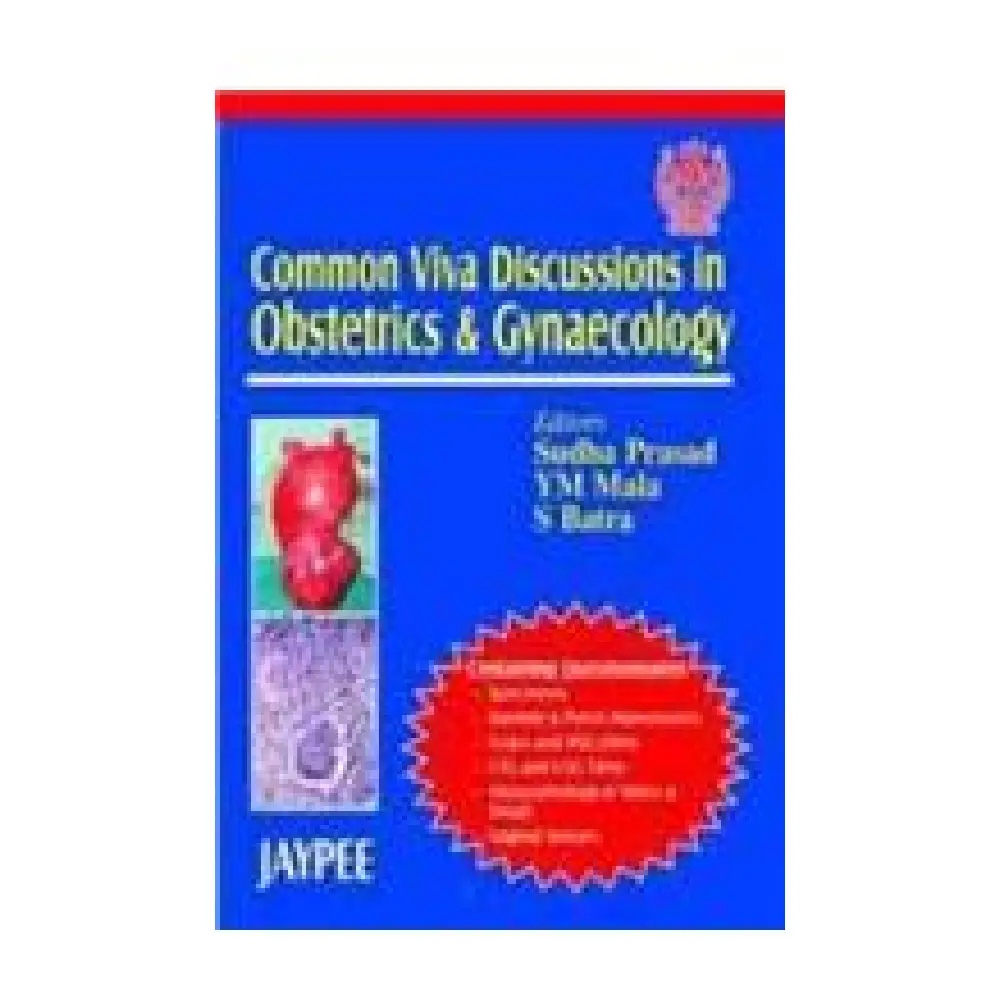
Common Viva Discussions in Obstetrics & Gynaecology
Viva voce examinations in Obstetrics and Gynaecology are designed to assess a candidate’s depth of knowledge, clinical reasoning, communication skills, and ability to apply theoretical concepts to practical scenarios. Unlike written examinations, vivas test spontaneous thinking, clarity of expression, and structured presentation. The topics commonly discussed revolve around frequently encountered clinical situations, obstetric emergencies, gynecological disorders, diagnostic methods, and management protocols.
A systematic approach is the key to success in any OBG viva. Candidates should structure their responses under headings such as definition, etiology, clinical features, investigations, management, and complications.
Common Obstetrics Viva Topics
1. Antenatal Care
One of the most frequently asked viva topics is antenatal care. Examiners may ask:
-
What is the schedule of antenatal visits?
-
What are the routine investigations at the booking visit?
-
How do you identify a high-risk pregnancy?
A complete answer should include detailed history taking (obstetric, medical, surgical, and family history), general and systemic examination, and routine investigations such as hemoglobin, blood grouping, Rh typing, blood sugar, urine examination, and screening for infections like HIV, hepatitis B, and syphilis.
Discussion should also include ultrasound evaluation (dating scan and anomaly scan), nutritional advice, iron and folic acid supplementation, tetanus immunization, and counseling regarding warning signs.
2. Hypertensive Disorders of Pregnancy
This is a high-yield topic in viva examinations. Candidates should define:
-
Gestational hypertension
-
Preeclampsia
-
Eclampsia
Explain diagnostic criteria (BP ≥140/90 mmHg after 20 weeks with proteinuria in preeclampsia), warning signs, maternal and fetal complications, and management.
Management includes:
-
Antihypertensives (labetalol, nifedipine)
-
Magnesium sulfate for seizure prophylaxis
-
Timely delivery depending on severity and gestational age
Examiners often ask about indications for termination and management of severe preeclampsia.
3. Gestational Diabetes Mellitus (GDM)
Candidates should discuss:
-
Screening methods (oral glucose tolerance test)
-
Risk factors
-
Dietary management and insulin therapy
-
Fetal surveillance
-
Timing and mode of delivery
Complications like macrosomia, shoulder dystocia, and neonatal hypoglycemia may also be discussed.
4. Labor and Its Management
Key areas include:
-
Definition and stages of labor
-
Mechanism of normal labor
-
Use of partograph
-
Monitoring maternal and fetal well-being
Questions on active management of the third stage of labor (AMTSL) are common. Candidates should mention administration of oxytocin, controlled cord traction, and uterine massage.
5. Obstetric Emergencies
Postpartum Hemorrhage (PPH)
One of the most important emergency topics. Discuss:
-
Causes (4 Ts: Tone, Trauma, Tissue, Thrombin)
-
Immediate resuscitation
-
Uterotonics (oxytocin, misoprostol)
-
Balloon tamponade
-
Surgical options (B-Lynch sutures, hysterectomy)
Ectopic Pregnancy
Candidates should explain:
-
Risk factors
-
Clinical features (amenorrhea, abdominal pain, vaginal bleeding)
-
Diagnosis (ultrasound, β-hCG levels)
-
Management (medical with methotrexate or surgical)
Common Gynaecology Viva Topics
1. Abnormal Uterine Bleeding (AUB)
Examiners expect knowledge of the PALM-COEIN classification:
-
Structural causes (Polyp, Adenomyosis, Leiomyoma, Malignancy)
-
Non-structural causes (Coagulopathy, Ovulatory dysfunction, Endometrial, Iatrogenic, Not yet classified)
Management includes medical therapy (hormonal treatment, tranexamic acid) and surgical options (D&C, hysteroscopy, hysterectomy).
2. Fibroid Uterus
Candidates should discuss:
-
Types (intramural, submucosal, subserosal)
-
Symptoms (menorrhagia, infertility, pressure symptoms)
-
Investigations (ultrasound)
-
Management (myomectomy vs hysterectomy)
3. Ovarian Tumors
Common viva points include:
-
Functional vs neoplastic cysts
-
Benign vs malignant features
-
Tumor markers (CA-125)
-
Management principles
4. Infertility
Definition: Failure to conceive after one year of regular unprotected intercourse.
Evaluation includes:
-
Semen analysis
-
Ovulation assessment
-
Tubal patency tests (HSG)
-
Hormonal profile
Treatment options:
-
Ovulation induction
-
Intrauterine insemination (IUI)
-
In vitro fertilization (IVF)
5. Contraception
Candidates should know:
-
Temporary methods (barrier, hormonal, IUCD)
-
Permanent methods (tubal ligation, vasectomy)
-
Mechanism of action
-
Contraindications
-
Counseling techniques
6. Gynecological Malignancies
Frequently discussed cancers:
-
Carcinoma cervix (screening with Pap smear, HPV vaccination)
-
Endometrial carcinoma
-
Ovarian carcinoma
Basic staging principles and management outlines are expected.
Clinical Skills and Communication
Examiners often assess:
-
Breaking bad news
-
Counseling for hysterectomy
-
Discussing medical termination of pregnancy
-
Obtaining informed consent
Clear communication, empathy, and structured answers are crucial.
Tips for Viva Success
-
Maintain a calm and confident demeanor.
-
Use a systematic approach in every answer.
-
Prioritize patient safety.
-
Avoid guessing wildly; admit if unsure.
-
Practice speaking clearly and concisely.
-
Support answers with clinical reasoning.
Conclusion
Common viva discussions in Obstetrics & Gynaecology cover a broad spectrum of routine clinical conditions and emergencies. A thorough understanding of antenatal care, labor management, obstetric emergencies, gynecological disorders, infertility, contraception, and malignancies is essential. Success in viva examinations depends not only on knowledge but also on structured presentation, logical thinking, and confident communication. Mastery of these principles ensures both examination success and competent clinical practice in real-world settings.



Reviews
There are no reviews yet