
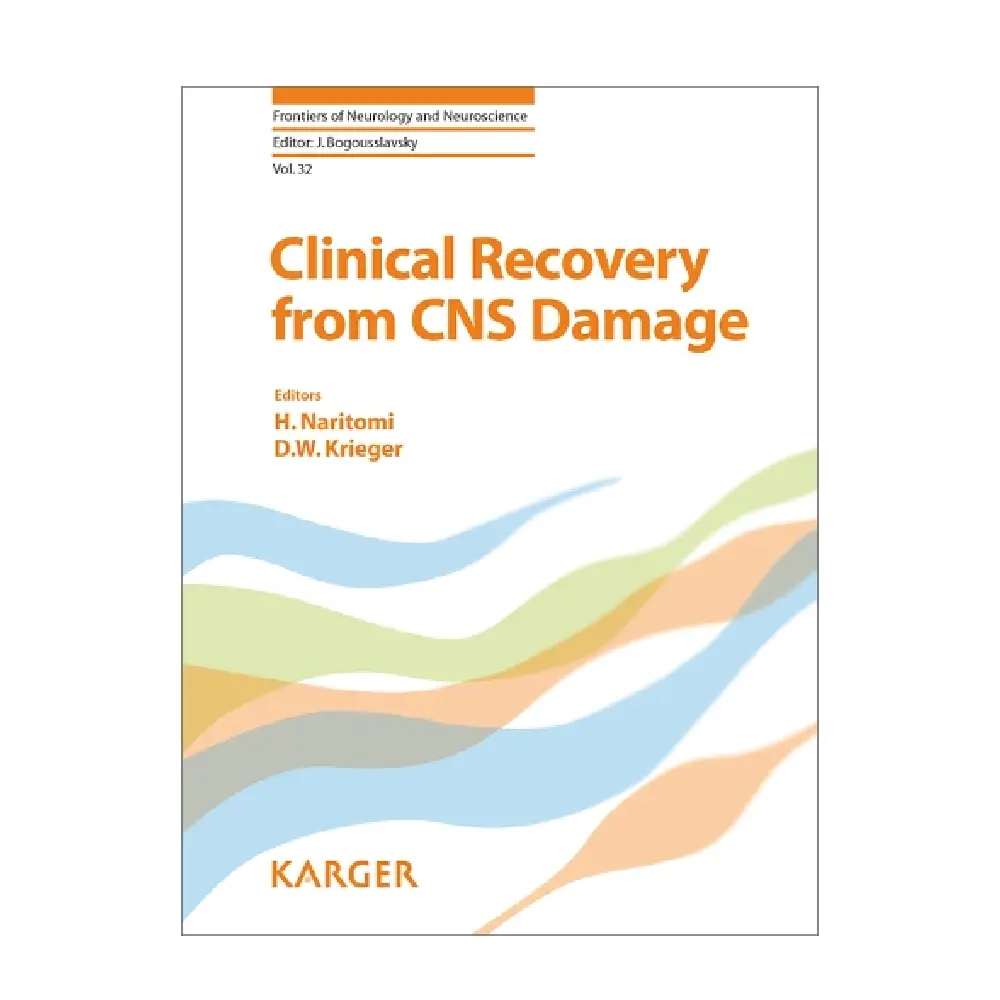

Clinical Recovery from CNS Damage
Clinical recovery from central nervous system (CNS) damage is a complex and multifaceted process that reflects the brain and spinal cord’s remarkable, though limited, capacity for repair and adaptation. CNS damage may result from stroke, traumatic brain injury, spinal cord injury, tumors, infections, hypoxia, or neurodegenerative and inflammatory diseases. Recovery is influenced by biological mechanisms, clinical interventions, and psychosocial factors, making it a central focus of neurology, rehabilitation medicine, and neuroscience research.
Mechanisms of Recovery in the CNS
Unlike the peripheral nervous system, the CNS has a restricted ability to regenerate damaged neurons. Nevertheless, recovery occurs through several adaptive mechanisms. Neuroplasticity plays a pivotal role, allowing surviving neurons to reorganize their connections and assume functions previously carried out by damaged areas. Synaptic strengthening, dendritic sprouting, and cortical remapping are key processes underlying functional improvement.
In the early phase after injury, spontaneous recovery is often observed as edema resolves, inflammation subsides, and neural conduction improves. This period is critical, as it sets the foundation for long-term rehabilitation outcomes.
Role of Neurorehabilitation
Rehabilitation is central to clinical recovery from CNS damage. Early, intensive, and task-specific rehabilitation has been shown to enhance neuroplasticity and functional outcomes. Interventions include physical therapy, occupational therapy, speech and language therapy, and cognitive rehabilitation, each targeting specific impairments.
Motor recovery strategies focus on repetitive, goal-directed movements to strengthen neural pathways. Techniques such as constraint-induced movement therapy and robotic-assisted rehabilitation promote use-dependent plasticity. Cognitive rehabilitation addresses deficits in attention, memory, executive function, and communication, particularly after brain injury or stroke.
Pharmacological and Biological Interventions
Pharmacological therapies can support recovery by modulating neurotransmission, reducing spasticity, and improving arousal or cognition. Drugs such as antispastic agents, dopaminergic drugs, and neurostimulants are commonly used to enhance participation in rehabilitation.
Emerging biological approaches, including stem cell therapy, neurotrophic factors, and gene-based interventions, aim to promote neural repair and regeneration. While many of these strategies remain experimental, clinical trials continue to explore their safety and efficacy in CNS injuries.
Technological Advances in Recovery
Technological innovations have transformed neurorehabilitation. Functional electrical stimulation, brain–computer interfaces, virtual reality, and non-invasive brain stimulation techniques such as transcranial magnetic stimulation (TMS) and transcranial direct current stimulation (tDCS) are increasingly used to enhance recovery.
These technologies can modulate cortical excitability, reinforce motor learning, and provide real-time feedback, thereby optimizing rehabilitation outcomes. Neuroimaging techniques such as functional MRI and diffusion tensor imaging help track neural reorganization and guide individualized therapy.
Psychosocial and Environmental Factors
Recovery from CNS damage extends beyond neurological repair. Psychological resilience, motivation, social support, and environmental adaptation significantly influence functional outcomes. Depression, anxiety, and cognitive fatigue are common after CNS injury and can hinder recovery if not addressed.
Patient-centered care emphasizes goal setting, education, and involvement of family and caregivers. Adaptive strategies and assistive technologies help individuals regain independence and improve quality of life even when full neurological recovery is not possible.
Prognostic Factors
Clinical recovery varies widely among individuals. Prognostic factors include age, severity and location of injury, comorbidities, timing of intervention, and intensity of rehabilitation. Early improvement is often associated with better long-term outcomes, but meaningful gains can continue for months or even years with sustained therapy.
Long-Term Outcomes and Neuroadaptation
In many cases, recovery reflects compensation rather than complete restoration of lost function. Patients may develop alternative strategies to perform tasks, relying on intact neural circuits. Long-term adaptation involves learning, behavioral change, and environmental modification.
Ongoing follow-up is essential to manage late complications such as spasticity, pain, epilepsy, or cognitive decline. Lifelong rehabilitation and support may be required, particularly in progressive or severe CNS disorders.
Conclusion
Clinical recovery from CNS damage is a dynamic and individualized process driven by neuroplasticity, rehabilitation, medical management, and psychosocial support. Advances in neuroscience and technology continue to expand the boundaries of recovery, offering hope for improved function and quality of life. Understanding the mechanisms and optimizing multidisciplinary care remain essential for maximizing outcomes in patients with CNS injury.
Reviews
There are no reviews yet