
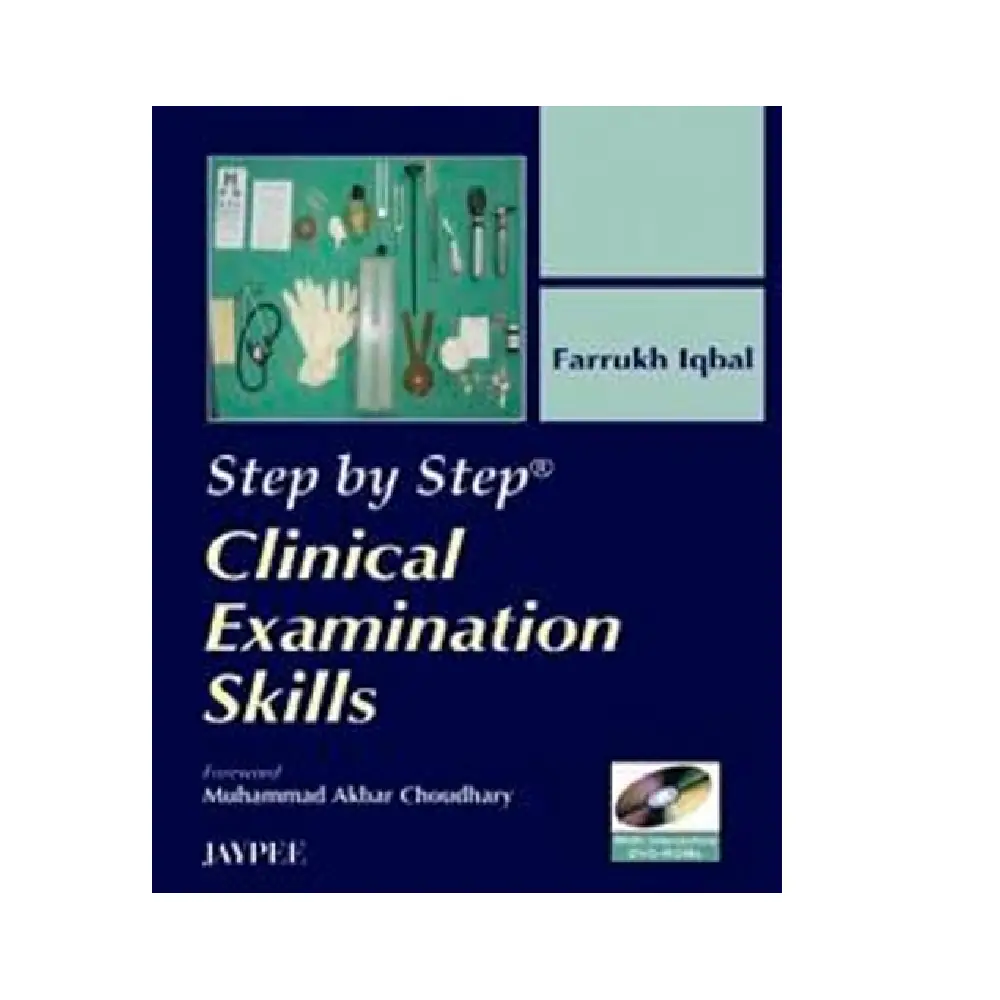
Clinical Examination Skills
Clinical examination skills are fundamental to effective medical practice and remain the cornerstone of patient assessment despite advances in diagnostic technology. A thorough and systematic clinical examination allows clinicians to gather crucial information, formulate differential diagnoses, and guide appropriate investigations and management. Mastery of examination skills enhances diagnostic accuracy, strengthens the doctor–patient relationship, and promotes safe, cost-effective care.
Importance of Clinical Examination
Clinical examination bridges the gap between patient history and diagnostic testing. While laboratory and imaging studies provide valuable data, they should complement rather than replace physical examination. Careful observation and examination can reveal signs that point directly to a diagnosis, reduce unnecessary investigations, and identify urgent or life-threatening conditions.
Equally important, clinical examination fosters patient trust. A clinician who examines attentively and respectfully conveys competence and concern, reinforcing therapeutic rapport and patient confidence.
General Principles of Examination
Effective clinical examination follows a structured approach, typically progressing from inspection to palpation, percussion, and auscultation where appropriate. Preparation is essential: ensuring patient comfort, obtaining consent, maintaining privacy, and using appropriate lighting and equipment.
Good communication is integral throughout the examination. Explaining each step reassures patients and encourages cooperation. Observing nonverbal cues and patient responses can provide additional diagnostic insights.
Observation and Inspection
Inspection begins as soon as the clinician encounters the patient. General appearance, posture, gait, and level of distress offer valuable clues. Skin color, nutritional status, and presence of deformities or scars should be noted.
Focused inspection of specific systems, such as chest movement in respiratory examination or symmetry in neurological assessment, helps identify abnormalities before physical contact is made.
Palpation and Percussion
Palpation allows assessment of texture, temperature, tenderness, masses, and organ size. Skilled palpation requires gentle technique and awareness of normal anatomical landmarks. Percussion helps evaluate underlying structures, distinguishing between solid, fluid-filled, or air-filled areas.
These techniques are particularly useful in abdominal, cardiovascular, and respiratory examinations, where subtle changes can indicate pathology.
Auscultation and Functional Assessment
Auscultation provides critical information about heart sounds, lung fields, and bowel activity. Using the stethoscope effectively requires practice and familiarity with normal and abnormal sounds. Functional assessment, such as evaluating range of motion or neurological reflexes, helps quantify impairment and guide diagnosis.
System-Based Examination
Clinical examination is often organized by body systems. Cardiovascular examination assesses pulse, blood pressure, heart sounds, and signs of heart failure. Respiratory examination evaluates breathing pattern, lung expansion, and breath sounds. Abdominal examination identifies organ enlargement, tenderness, or masses.
The neurological examination is particularly comprehensive, assessing mental status, cranial nerves, motor and sensory function, coordination, and reflexes. This systematic approach helps localize lesions and understand disease processes.
Clinical Reasoning and Integration
Clinical examination findings must be interpreted in the context of the patient’s history and overall presentation. Developing clinical reasoning skills allows clinicians to synthesize information, prioritize differential diagnoses, and decide on further investigations or management.
Repeated practice and reflective learning improve diagnostic accuracy and confidence.
Teaching and Maintaining Skills
Clinical examination skills require continuous practice and reinforcement. Bedside teaching, simulation, and feedback from experienced clinicians are essential for skill development. Regular self-assessment and reflection help maintain competence over time.
Conclusion
Clinical examination skills remain an essential component of medical practice, enabling accurate diagnosis, effective communication, and patient-centered care. By mastering systematic examination techniques and integrating findings with clinical reasoning, clinicians can provide high-quality care even in an era of advanced medical technology.




Reviews
There are no reviews yet