
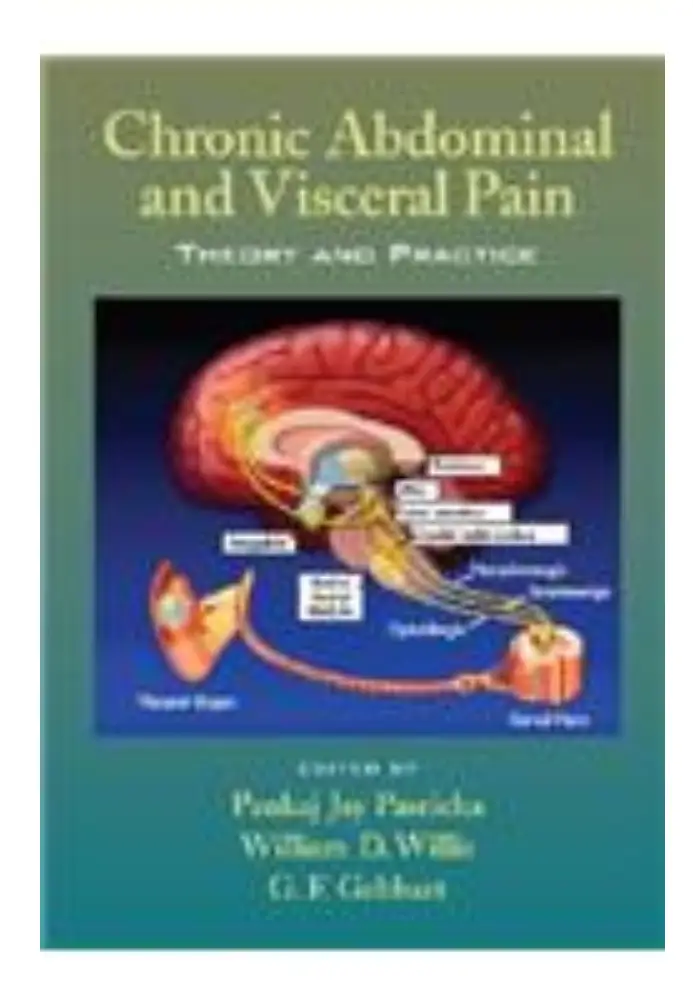

Chronic Abdominal and Visceral Pain: Theory and Practice is a comprehensive resource that explores the complex nature, mechanisms, and management of chronic pain arising from abdominal and visceral organs. This type of pain is often challenging for clinicians due to its multifactorial origin, variable presentation, and frequent overlap with functional and psychological conditions. The book provides a detailed integration of basic science, clinical insights, and therapeutic strategies, making it valuable for healthcare professionals across multiple disciplines.
The text begins by explaining the fundamental concepts of visceral pain, distinguishing it from somatic pain. Visceral pain is typically diffuse, poorly localized, and often associated with autonomic symptoms such as nausea, sweating, and changes in blood pressure. The authors emphasize the role of the central and peripheral nervous systems in pain perception, including mechanisms such as sensitization, neuroplasticity, and altered pain modulation. These processes help explain why some patients continue to experience pain even after the original pathology has resolved.
A key focus of the book is the pathophysiology underlying chronic abdominal pain. It discusses how inflammation, infection, ischemia, and functional disorders can trigger long-term changes in the nervous system. Conditions such as irritable bowel syndrome (IBS), functional dyspepsia, chronic pancreatitis, and endometriosis are examined in detail. The book highlights how visceral hypersensitivity and brain-gut axis dysfunction contribute significantly to these disorders. The book highlights how visceral hypersensitivity and brain-gut axis dysfunction contribute significantly to these disorders.
The diagnostic approach is presented in a structured and practical manner. Emphasis is placed on thorough patient history, careful physical examination, and appropriate use of investigations. The authors caution against over-reliance on diagnostic tests, noting that many patients with chronic visceral pain may have minimal or no identifiable structural abnormalities. Instead, a biopsychosocial model is encouraged, recognizing the interplay between physical, emotional, and social factors in pain perception.
Management strategies form a substantial portion of the text. Pharmacological treatments include analgesics, antispasmodics, antidepressants, and neuromodulators, each discussed with their mechanisms, indications, and limitations. The book also explores non-pharmacological approaches such as cognitive behavioral therapy (CBT), mindfulness, dietary modifications, and physical therapy. Interventional techniques, including nerve blocks and neuromodulation procedures, are presented as options for refractory cases.
An important theme throughout the book is the need for a multidisciplinary approach. Chronic abdominal and visceral pain often requires collaboration among gastroenterologists, pain specialists, surgeons, psychologists, and primary care providers. The authors stress patient-centered care, with individualized treatment plans tailored to each patient’s specific needs and circumstances.Interventional techniques, including nerve blocks and neuromodulation procedures, are presented as options for refractory cases.
The psychosocial dimension of chronic pain is addressed in depth. Anxiety, depression, and stress are shown to significantly influence pain intensity and patient outcomes. The book underscores the importance of addressing these factors as part of comprehensive care, rather than viewing them as secondary concerns.
In addition, the text examines emerging research and future directions in the field. Advances in neuroimaging, biomarkers, and targeted therapies offer promising avenues for better understanding and treating chronic visceral pain. The role of the microbiome and its interaction with the nervous system is also highlighted as an evolving area of interest.
Overall, Chronic Abdominal and Visceral Pain: Theory and Practice provides a thorough and balanced overview of a complex clinical problem. By combining scientific theory with practical guidance, it equips clinicians with the knowledge and tools needed to improve diagnosis, management, and patient outcomes in chronic visceral pain conditions.



Reviews
There are no reviews yet