
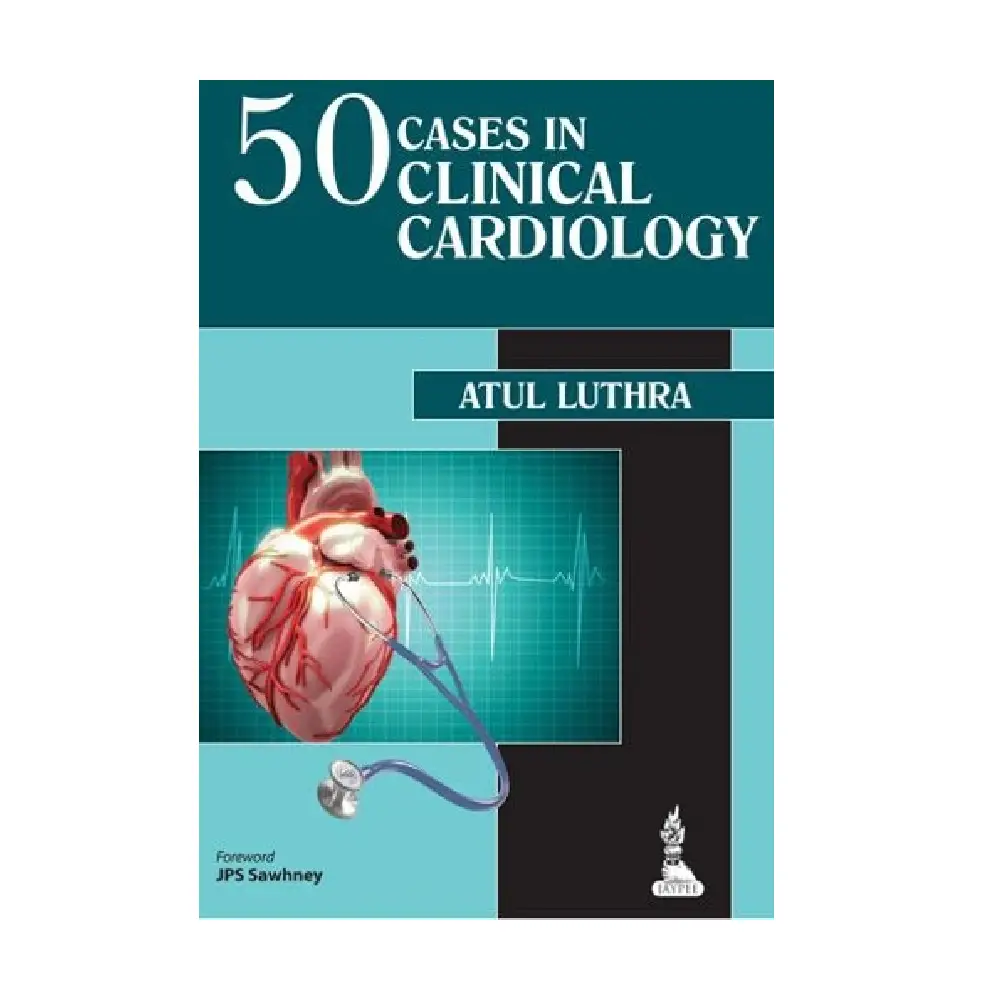
Cases in Clinical Cardiology
Cases in Clinical Cardiology is a well-established case-based cardiology textbook authored by the renowned British cardiologist John Hampton, widely respected for his contributions to clinical teaching and electrocardiography. The book is specifically designed to help medical students, postgraduate trainees, and practicing clinicians develop strong diagnostic reasoning skills through real-world cardiovascular cases rather than purely theoretical discussions.
The core strength of the book lies in its case-oriented learning approach, which mirrors everyday clinical practice. Each chapter presents carefully selected patient cases that reflect common and important cardiovascular conditions encountered in outpatient clinics, emergency departments, and hospital wards. The cases are structured to simulate real bedside encounters, beginning with a concise clinical history followed by physical examination findings and relevant investigations. This format encourages readers to actively analyze clinical information and think independently before arriving at a diagnosis.
A distinctive feature of Cases in Clinical Cardiology is its emphasis on clinical reasoning and problem-solving. Instead of providing immediate answers, the book challenges readers to interpret symptoms, signs, and investigation results step by step. Electrocardiograms (ECGs), chest radiographs, and other diagnostic data are frequently included, allowing readers to practice interpretation and correlate findings with the patient’s clinical presentation. Detailed explanations follow each case, clarifying diagnostic principles, underlying pathophysiology, and appropriate management strategies.
The book covers a broad spectrum of cardiovascular diseases, ensuring comprehensive exposure to both common and clinically significant conditions. Topics include ischemic heart disease and acute coronary syndromes, cardiac arrhythmias, heart failure, valvular heart disease, hypertension, cardiomyopathies, pericardial disease, and congenital heart disorders. By addressing these conditions through patient cases, the book reinforces practical knowledge that is directly applicable to clinical settings.
A major educational advantage of this text is its strong focus on ECG interpretation, an essential skill in cardiology. John Hampton’s expertise in electrocardiography is evident throughout the book, as ECG findings are clearly explained in the context of each clinical scenario. This integration of ECGs with patient history and examination findings helps readers understand not only how to read ECGs, but also how to use them effectively in clinical decision-making.
The language and writing style are clear, concise, and accessible, making complex cardiology concepts easier to grasp. The book avoids unnecessary theoretical detail and instead concentrates on clinically relevant points, common diagnostic pitfalls, and practical management considerations. Key learning messages are reinforced through discussions that explain why certain diagnoses are correct and why others are less likely, further strengthening analytical thinking.
Cases in Clinical Cardiology is particularly valuable for medical students, interns, and postgraduate trainees preparing for clinical examinations and bedside assessments. Its interactive format closely aligns with the style of viva voce exams and case presentations commonly used in medical education. Practicing physicians and general practitioners also benefit from the book as a refresher resource, especially for sharpening diagnostic skills and revisiting important cardiology principles.
Another notable aspect of the book is its emphasis on bedside cardiology, highlighting the importance of careful history-taking and physical examination alongside modern diagnostic tools. This balanced approach reinforces the idea that effective cardiology practice relies not only on advanced investigations, but also on sound clinical judgment and observation.
In summary, Cases in Clinical Cardiology is a highly practical and educational resource that successfully bridges the gap between textbook knowledge and real-life patient care. Through its case-based structure, emphasis on ECG interpretation, and focus on clinical reasoning, the book equips readers with the skills needed to confidently assess, diagnose, and manage cardiovascular conditions. It remains a trusted companion for learners and clinicians seeking to master the art and science of clinical cardiology.


Reviews
There are no reviews yet