
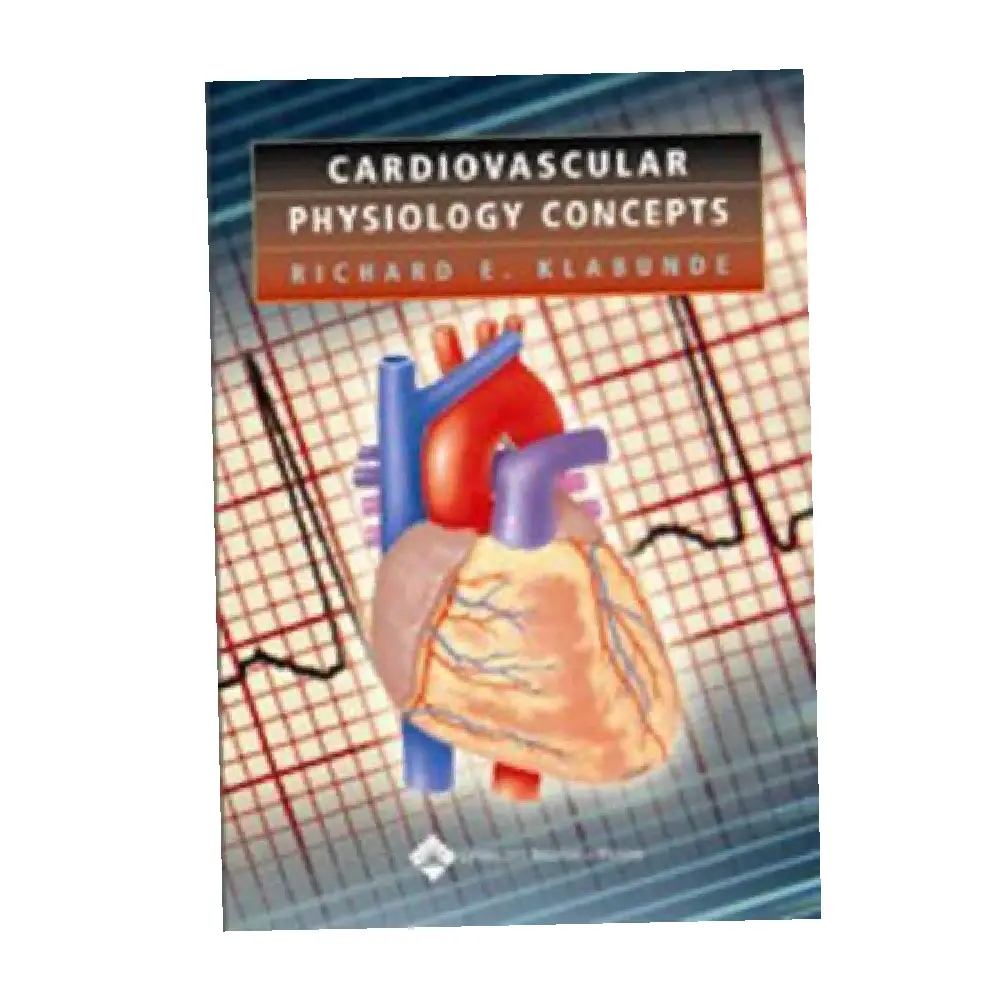
Cardiovascular Physiology Concepts
Cardiovascular physiology is the study of the heart and blood vessels and their role in maintaining the circulation of blood throughout the body. It forms the foundation for understanding cardiovascular health, disease mechanisms, and clinical interventions. Key concepts in cardiovascular physiology include cardiac function, hemodynamics, vascular regulation, neurohormonal control, and the integration of the cardiovascular system with other organ systems.
Cardiac Anatomy and Function
The heart is a four-chambered muscular organ composed of two atria and two ventricles, separated by valves that ensure unidirectional blood flow. The right heart receives deoxygenated blood from the systemic circulation and pumps it to the lungs, while the left heart receives oxygenated blood from the lungs and pumps it to the systemic circulation. Cardiac function relies on synchronized contraction of myocardial fibers, coordinated by the cardiac conduction system, including the sinoatrial (SA) node, atrioventricular (AV) node, bundle of His, and Purkinje fibers.
The cardiac cycle consists of diastole, when the heart relaxes and fills with blood, and systole, when the ventricles contract and eject blood. Stroke volume—the volume of blood ejected per beat—and heart rate together determine cardiac output, a critical measure of cardiovascular performance. Cardiac output is influenced by preload (ventricular filling), afterload (resistance to ejection), and myocardial contractility, collectively described by the Frank-Starling law, which states that the force of contraction increases with ventricular filling up to an optimal point.
Hemodynamics
Hemodynamics refers to the dynamics of blood flow, encompassing pressure, flow, and resistance. Blood flows from areas of higher to lower pressure, and flow is proportional to the pressure gradient divided by vascular resistance (Ohm’s law). Systemic vascular resistance (SVR) and pulmonary vascular resistance (PVR) determine the workload on the left and right ventricles, respectively. Arterial pressure is pulsatile, reflecting ventricular ejection, while venous pressure is low and more steady, aiding venous return.
The relationship between flow, pressure, and resistance is critical for understanding hypertension, shock, and heart failure. Mean arterial pressure (MAP) is a key parameter, reflecting the perfusion pressure delivered to organs. It is influenced by cardiac output and SVR and is regulated by multiple mechanisms to ensure adequate tissue oxygenation.
Vascular Regulation
Blood vessels are not passive conduits; they actively regulate blood flow via vasoconstriction and vasodilation. Arteries, especially arterioles, provide resistance that controls tissue perfusion. Endothelial cells release vasoactive substances such as nitric oxide (vasodilator) and endothelin (vasoconstrictor), which adjust vessel tone in response to chemical and mechanical signals. The distribution of blood flow is further influenced by local metabolic demand, autoregulation, and neural inputs.
Veins act as capacitance vessels, storing blood and aiding venous return. Venous tone, skeletal muscle pumps, and respiratory movements contribute to maintaining central venous pressure and filling the heart. These mechanisms are vital for sustaining cardiac output during exercise or stress.
Neurohormonal Control
The cardiovascular system is tightly regulated by autonomic and hormonal mechanisms. The sympathetic nervous system increases heart rate, contractility, and vascular tone via catecholamines, while the parasympathetic system decreases heart rate through vagal stimulation. Baroreceptors in the carotid sinus and aortic arch sense blood pressure changes and mediate reflex adjustments via the autonomic nervous system.
Hormones such as angiotensin II, aldosterone, and vasopressin modulate blood volume, vascular resistance, and sodium balance. Natriuretic peptides counteract these effects by promoting vasodilation and sodium excretion. This intricate balance maintains homeostasis and responds to acute and chronic physiological demands.
Cardiovascular Adaptation
The cardiovascular system adapts to varying physiological conditions, such as exercise, pregnancy, or high altitude. During exercise, cardiac output increases to meet elevated metabolic demand, mediated by higher heart rate, stroke volume, and vasodilation in skeletal muscles. Chronic adaptation, such as cardiac hypertrophy in response to increased workload, illustrates the system’s plasticity but may also lead to pathology if maladaptive.
Integration with Other Systems
Cardiovascular physiology cannot be viewed in isolation. The heart and vessels interact with the respiratory, renal, and endocrine systems. Oxygen delivery depends on hemoglobin concentration, blood flow, and pulmonary function. Renal mechanisms regulate blood volume and pressure via the renin-angiotensin-aldosterone system, while endocrine signals coordinate long-term cardiovascular adaptation.
Clinical Implications
Understanding cardiovascular physiology underpins the management of common cardiovascular diseases. Hypertension results from chronic elevation of SVR or cardiac output, heart failure arises from impaired contractility or filling, and shock reflects inadequate perfusion. Therapies such as vasodilators, inotropes, and diuretics target specific physiological mechanisms to restore homeostasis.
Conclusion
Cardiovascular physiology integrates the principles of cardiac function, hemodynamics, vascular regulation, neurohormonal control, and systemic interaction to maintain adequate tissue perfusion and oxygenation. A comprehensive understanding of these concepts is essential for clinicians, enabling accurate diagnosis, effective treatment, and management of cardiovascular disorders. Mastery of cardiovascular physiology provides the framework for interpreting pathophysiology and guiding clinical interventions.


Reviews
There are no reviews yet