
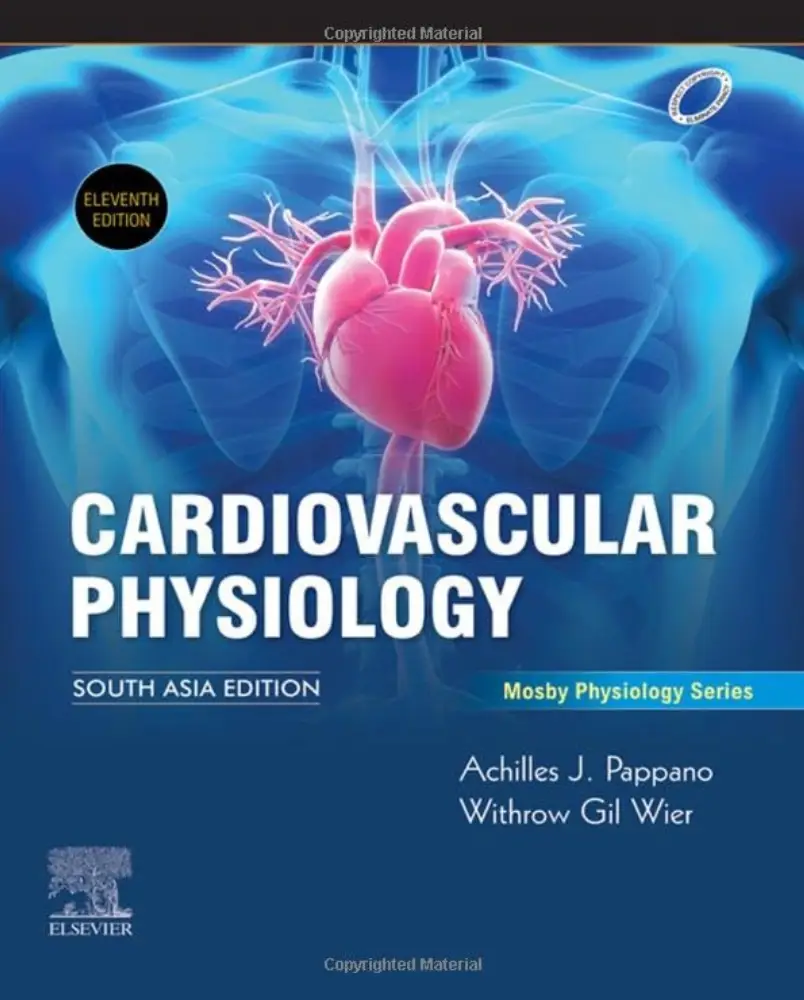

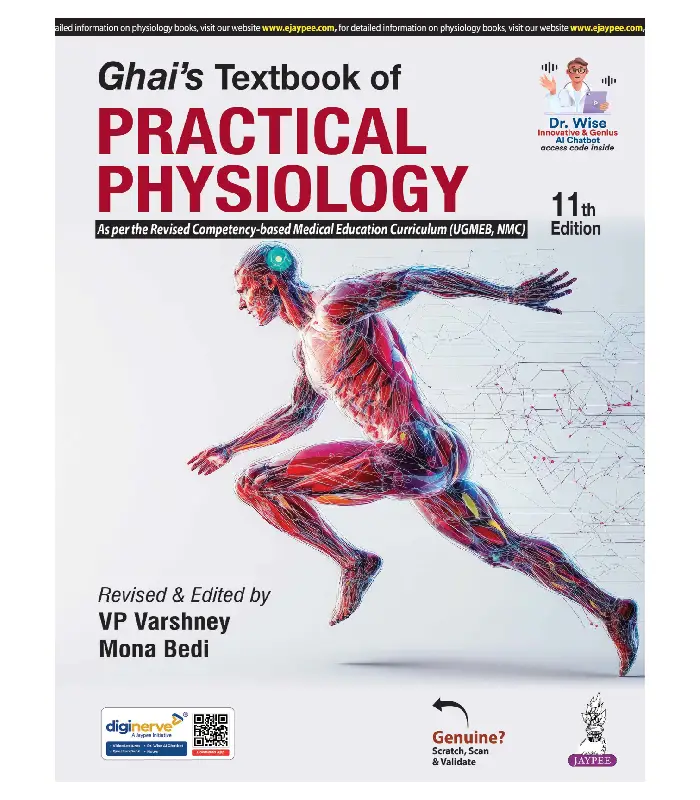
Cardiovascular Physiology, 11th Edition (SAE) (PB)
Cardiovascular Physiology, 11th Edition (SAE) (PB) is a highly respected and widely used textbook that provides a clear, concise, and clinically relevant understanding of the physiology of the cardiovascular system. Designed primarily for medical students, nursing students, and healthcare professionals, this book simplifies complex physiological concepts while maintaining scientific accuracy and depth. It is particularly valued for its ability to bridge basic science with clinical practice.
The book begins with an introduction to the Cardiovascular Physiology fundamental principles of cardiovascular physiology, including the structure and function of the heart and blood vessels. It explains how the heart acts as a pump, generating pressure to circulate blood throughout the body. Concepts such as cardiac output, stroke volume, and heart rate are introduced early and serve as the foundation for understanding more advanced topics. The text also discusses the electrical activity of the heart, including the conduction system and the generation of action potentials, which regulate rhythmic contractions.
One of the strengths of this edition is its systematic approach to explaining hemodynamics—the study of blood flow. The book clearly describes how factors such as pressure, resistance, and vessel diameter influence blood flow, using simplified equations and diagrams to enhance understanding. It also explains the role of the autonomic nervous system in regulating cardiovascular function, detailing how sympathetic and parasympathetic inputs affect heart rate, contractility, and vascular tone.
The regulation of blood pressure is another major focus of the book. It explores both short-term mechanisms, such as baroreceptor reflexes, and long-term mechanisms involving the kidneys and hormonal systems like the renin-angiotensin-aldosterone system (RAAS).The regulation of blood pressure is another major focus of the bookCardiovascular Physiology These concepts are presented in a way that helps readers understand how the body maintains homeostasis under normal conditions and responds to physiological stress.
The book also integrates clinical correlations throughout its chapters, making it highly relevant for medical practice. Common cardiovascular disorders such as hypertension, heart failure, arrhythmias, and shock are discussed in relation to the underlying physiological principles.The book also integrates clinical correlations throughout its chapters, making it highly relevant for medical practice This approach helps students connect theoretical knowledge with real-world clinical scenarios, improving their diagnostic and problem-solving skills.
Another important feature of the 11th edition is its emphasis on pathophysiology. It explains how alterations in normal physiological processes lead to disease states. For example, the text describes how reduced cardiac output can result in heart failure or how increased vascular resistance contributes to hypertension. These explanations are supported by clear illustrations and flowcharts, which make complex mechanisms easier to grasp.
The SAE (South Asian Edition)Cardiovascular Physiology ensures that the content is accessible and affordable for students in the region while maintaining the quality and integrity of the original text. The paperback format (PB) adds to its convenience, making it easy to carry and use for regular study.
The book also Cardiovascular Physiology includes summary points, review questions, and illustrative diagrams that reinforce learning and aid in exam preparation. Its concise writing style avoids unnecessary detail, focusing instead on key concepts that are essential for understanding cardiovascular physiology.
Overall, Cardiovascular Physiology, 11th Edition (SAE) is an excellent resource for mastering the fundamentals of cardiovascular function. Its combination of clarity, clinical relevance, and structured presentation makes it an indispensable tool for students and professionals alike. Whether used for coursework, exam preparation, or clinical reference, it provides a solid foundation for understanding one of the most vital systems in the human body.

Reviews
There are no reviews yet